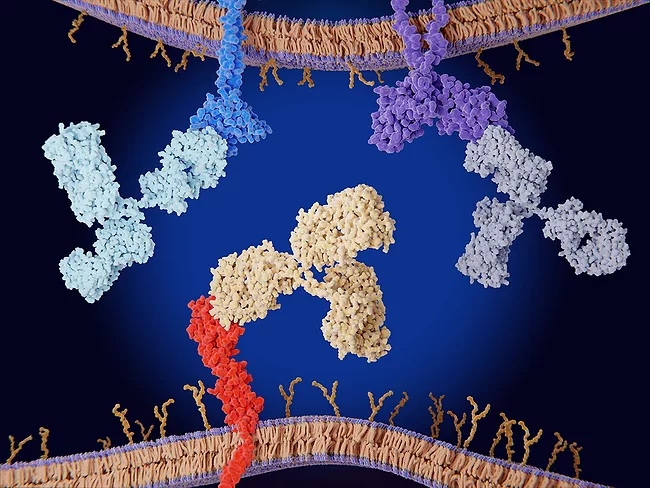
Nuclear body protein SP140 is mainly expressed on immune cells such as B and T cells, monocytes or dendritic cells and they are activated by interferon and regulated upon cellular stress, such as during viral infections.
The success of the treosulfan-based conditioning regimen in patients with β-thalassemia undergoing hematopoietic cell transplantation (HCT) is limited due to several complications, such as mixed chimerism and graft rejection. Researchers previously found that polymorphisms in the NQO1 or glutathione S-transferase A1 (GSTA1) genes had an impact on treosulfan pharmacokinetics, which then impacted related toxicities after HCT.
Recent findings unveiled that high serum levels of the molecular marker microRNA 371 correlate with the clinical stage and metastasis of seminomas (tumor of the testis germ cells) and nonseminomas. The expression of miR-371a-3p was evaluated in a cohort of patients with stage IIA/B seminoma and nonseminoma. Expression of miR-371a-3p was found to be positive in all 12 metastatic patients with seminoma or nonseminoma and was negative in 3 out of 4 nonmetastatic cases.
Receptor-interacting serine/threonine-protein kinase 2 (RIPK2) is a kinase protein that plays key roles in inflammation and antimicrobial response through the NF-kB signaling pathway, as well as it is known to activate c-MYC, which is involved in the progression of several malignancies, such as prostate cancer.
Previous studies revealed that cancer-restraining cancer-associated fibroblasts express Meflin as a marker in pancreatic cancer, and further research has shown that Meflin can also be a good predictive marker for immune checkpoint inhibitor (ICI) response in non-small-cell lung cancer.
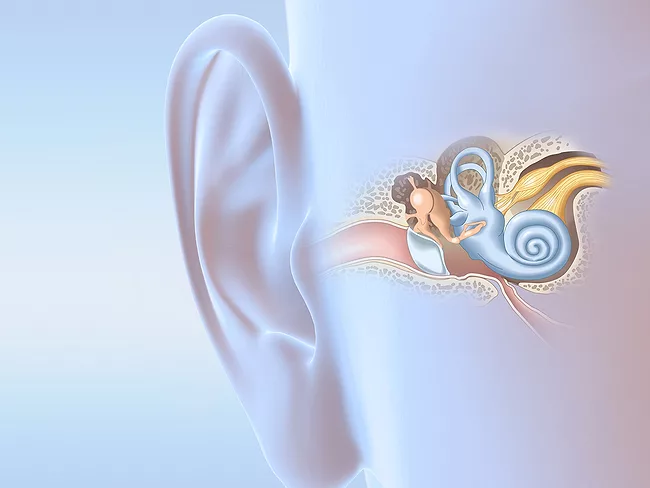
The CEP250 gene encodes centrosome-associated protein CEP250, involved in the formation of active centrosome components and cell cycle progression. CEP250 has been previously implicated in atypical Usher syndrome, which is characterized by early-onset hearing loss and mild retinitis pigmentosa.
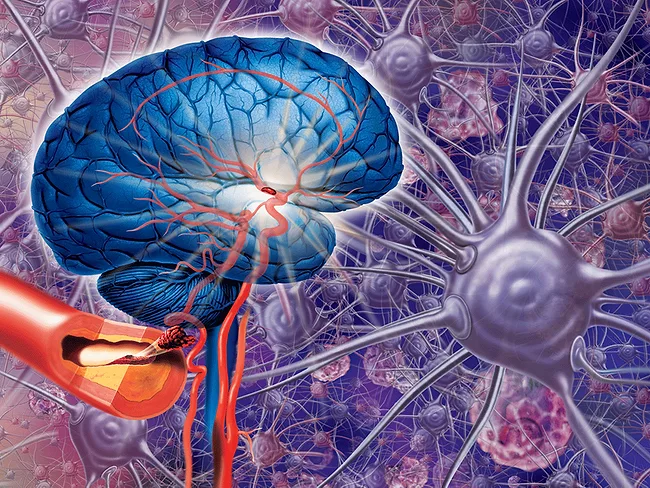
The occurrence of acute ischemic stroke impacts the immune landscape in the lungs, leading to peripheral immune activation, which can contribute to cerebral reperfusion injury.
Gray platelet syndrome is an autosomal recessive platelet disorder characterized by macrothrombocytopenia and deficiency or decreased levels of alpha granules that confer a grayish appearance to the platelets. The genetic cause is located at chromosome locus 3p21, affecting the NBEAL2 gene.
Previous research has suggested that factor VIII (FVIII) can regulate the osteoprotegerin (OPG)/RANKL system, which appears to play a role in hemophilic arthropathy. Investigators have now aimed to measure the OPG levels in patients with hemophilia A/B and assess their correlation with the levels of FVIII/FIX.
Glanzmann thrombasthenia (GT) is a rare bleeding disorder caused by defects in the expression of platelet surface integrins, such as integrin alpha-IIb (GPIIb, encoded by ITGA2B).
 RSS
RSS