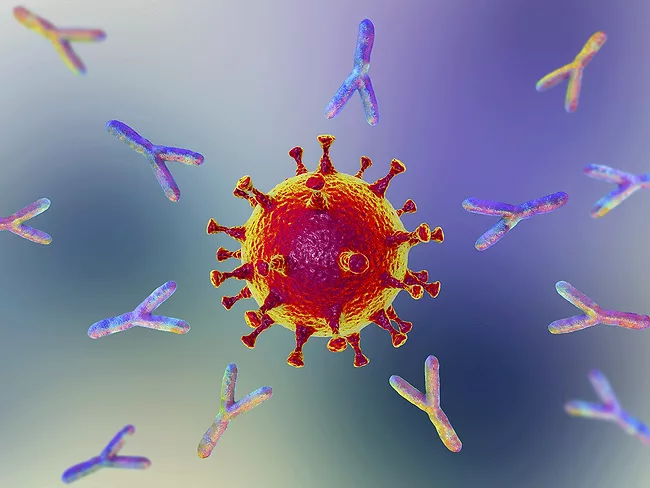
Researchers from Emory University have discovered a novel broadly neutralizing SARS-CoV-2 antibody, 002-S21F2, being developed as a potential anti-coronavirus therapeutic.
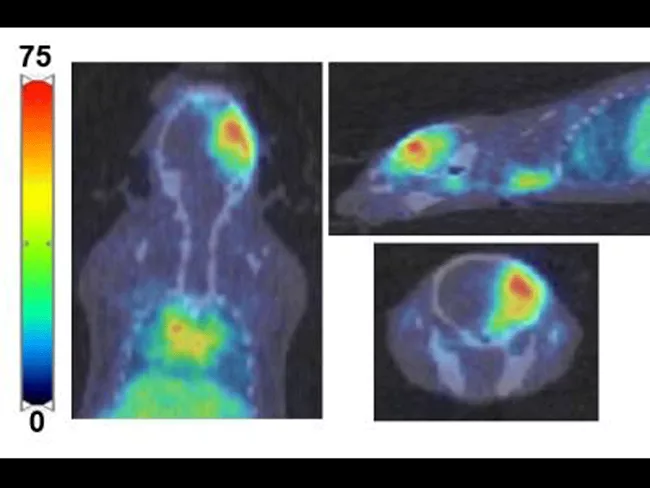
The suboptimal metabolic stability of radiolabeled gastrin-releasing peptide receptor (GRPR) antagonists has been a hindering factor of these promising theranostic candidates for prostate cancer. Uppsala University researchers have recently reported the development of [111In]DOTAGA-PEG-2-SAR11-RM-26, after replacement of Gly11 by Sar11 in the peptidic chain.
mPGES-1 is overexpressed in the dopaminergic neurons of the substantia nigra pars compacta of post-mortem brain tissue from patients with Parkinson’s disease (PD) as well as in 6-hydroxydopamine (6-OHDA)-injected PD mice.
Researchers have detailed the development and preclinical characterization of a novel heterobivalent radiotracer targeting prostate-specific membrane antigen (PSMA) and the gastrin-releasing peptide receptor (GRPR).
At the recent European Association of Nuclear Medicine meeting in Barcelona, researchers from the British Columbia Cancer Research Institute and the University of British Columbia reported the development and preclinical evaluation of bispecific radiotracers designed to target prostate-specific membrane antigen (PSMA) and fibroblast activation protein (FAP).
Researchers from Almirall SA and affiliated organizations reported the discovery and preclinical characterization of LAS-200813, a novel peptide inhibitor of the Keap1-Nrf2 protein-protein interaction.
 RSS
RSS