ADEL Inc. closed a year-end licensing deal worth up to $1.04 billion with Sanofi SA for ADEL-Y01, a specific tau-targeting Alzheimer’s disease drug candidate in a U.S. phase I study.
South Korean researchers led by Lee In-suk of Yonsei University have reported the most complete oral microbiome catalog to date, with more than 72,000 genomes. Detailed in Cell Host & Microbe on Nov. 12, 2025, the database is expected to serve as a universal platform for academia and enable “precision microbiome medicine” for the industry, Lee told BioWorld.
Takeda Pharmaceutical Co. Ltd. agreed to codevelop and commercialize up to three of Innovent Biologics Co. Ltd.’s immuno-oncology (I-O) and antibody-drug conjugate (ADC) candidates with the signing of a $11.4 billion deal, including $1.2 billion paid up front.
Stem cells are a promising therapeutic modality to fight aging and age-related disease, speakers at the Bio-Plus Interphex Korea 2025 said. Progress in cell-based longevity medicine is being made, they added, although safety, ethical and regulatory issues are ongoing challenges.
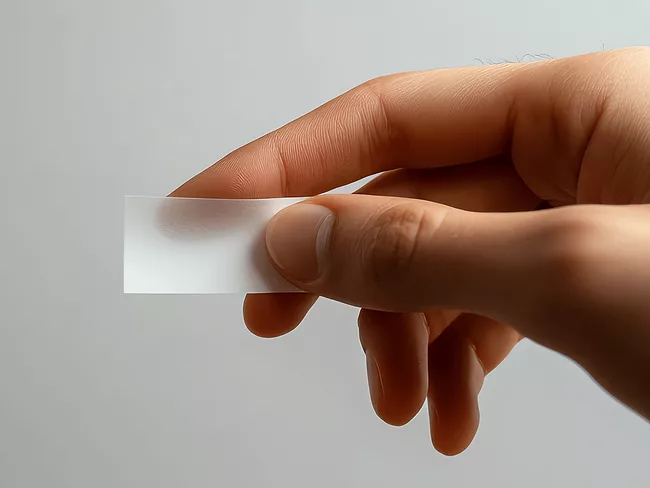
Taho Pharmaceuticals Ltd. announced an NDA submission to the U.S. FDA for TAH-3311, developed as the world’s first oral dissolving film formulation of apixaban, marking a regulatory milestone for the Taipei-based biotech.
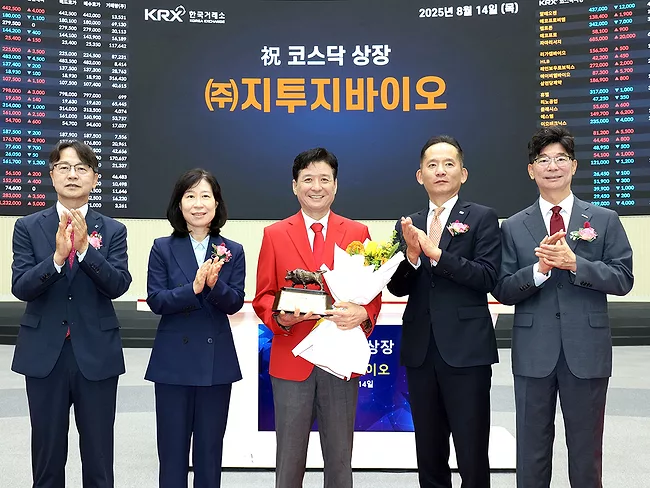
G2Gbio Inc. debuted on the Korea Exchange with a ₩52.2 billion (US$37.7 million) IPO Aug. 14. Nearly half of the funds raised will be used to expand Cheongju-si, South Korea-based G2Gbio’s manufacturing plants and help mass produce sustained-release injectable drug products such as GB-5001, its lead candidate in development as a once-monthly formulation of donepezil (Aricept; Eisai Co. Ltd.) for Alzheimer’s disease.
Roche AG subsidiary Chugai Pharmaceutical Co. Ltd. and Singapore’s Gero Pte. Ltd. plan to tackle age-related diseases by collaborating to identify drug targets through Gero’s AI-driven human data-first platform.
The switch will be flicked today to make the world’s largest dementia-related proteomics dataset freely available to researchers, at the same time as members of the consortium which compiled it publish the proteomics signatures of major neurodegenerative diseases that they uncovered in a first trawl of the data.
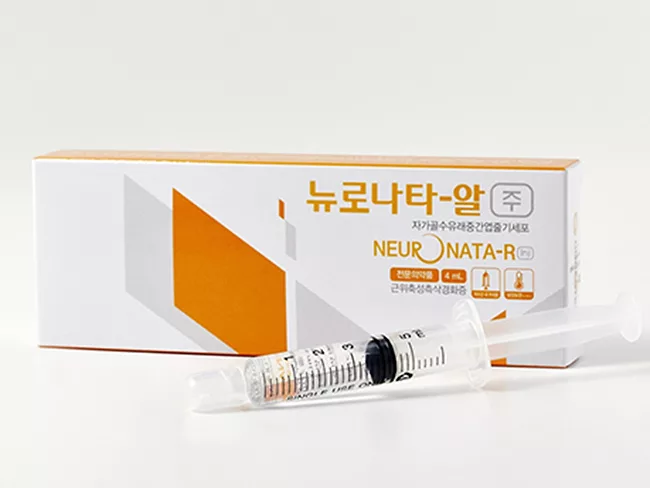
Corestemchemon Inc. is planning to file a BLA for Neuronata-R (lenzumestrocel) by the end of 2025 to gain accelerated approval from the U.S. FDA, company officials confirmed to BioWorld during a June 2 interview. Neuronata-R is an autologous bone marrow-derived mesenchymal stem cell therapy that first gained approval in South Korea in 2014 to delay the progression of amyotrophic lateral sclerosis (ALS), a progressive neurodegenerative disorder also known as Lou Gehrig’s disease.
Aribio Co. Ltd. signed a $600 million license deal with Acino International AG, an Arcera Life Sciences subsidiary, granting the latter commercial rights to its oral Alzheimer’s disease therapy, AR-1001, in select countries including the Middle East.
 RSS
RSS