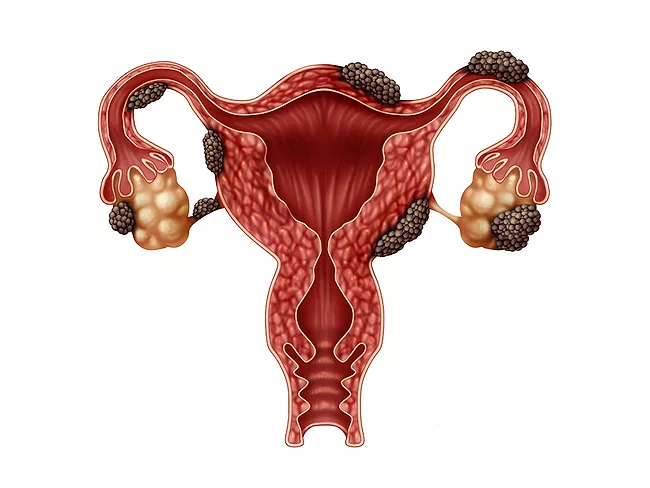
A recently published study, conducted by researchers from Jinan University and collaborating institutions, aimed to investigate the mechanisms of endometriosis-driven carcinogenesis.
At the 2025 annual meeting of the Society for Neuroscience in San Diego this week, Catherine Woolley’s plenary lecture was an unusual combination of debunking and affirming the importance of sex differences in the brain.
Blocking progesterone receptor (PR) activity has long been viewed as a possible approach to breast cancer prevention. Historically, most supporting evidence came from animal models, epidemiological studies or mechanistic pathway analyses. Now, a team at the University of Manchester has uncovered direct mechanistic and clinical evidence that PR antagonists can reprogram the breast tissue microenvironment, suggesting a novel avenue for reducing breast cancer risk in women.
Generating gametes from nonreproductive tissues could help overcome infertility. Previous studies have successfully transformed stem cells into viable oocytes through cellular reprogramming. Scientists at Oregon Health & Science University (OHSU) developed a method to derive them from skin cells via somatic cell nuclear transfer (SCNT), unlocking a mechanism that blends mitosis and meiosis. Now, the researchers have taken another step forward by generating fertilizable eggs from human skin cells.
Globally, over half of people living with HIV are women. But in clinical cure trials, they make up only about 20% of participants. And that gender imbalance is causing researchers to miss out on ways to improve cure strategies. Because women’s immune systems appear to be better at controlling HIV infection in a way that silences the reservoir – the provirus integrated into host cells in infected persons.
Endocyclic Therapeutics (Endomet Biosciences Inc.) has been awarded a National Institute of Health (NIH) Commercialization Readiness Pilot (CRP) Program grant from the Eunice Kennedy Shriver National Institute of Child Health and Human Development (NICHD) to accelerate the commercialization of ENDO-205, a nonhormonal, disease-modifying therapeutic designed to treat endometriosis.
The U.K. Medicines and Healthcare products Agency (MHRA) is calling for more research into the vaginal microbiome as a way to redress the historic under-representation of women in clinical studies, which it said has contributed to “critical shortcomings” in understanding of female-specific conditions.
The largest genome-wide association study to date of myalgic encephalomyelitis/chronic fatigue syndrome has identified eight genetic loci that are significantly associated with the chronic debilitating condition. Onset of ME/CFS often is traced back to an infection and four of the loci involve genes that are expressed in response to viral or bacterial infections.
Homeobox genes, a conserved family of transcription factors, are key regulators of embryogenesis, cell growth and differentiation, and have been linked to bone mass regulation and osteogenesis. However, their specific roles in postmenopausal osteoporosis and osteoclast development are still not well understood, with limited and fragmented knowledge on which genes are central to these processes.

 RSS
RSS