Homeobox genes, a conserved family of transcription factors, are key regulators of embryogenesis, cell growth and differentiation, and have been linked to bone mass regulation and osteogenesis. However, their specific roles in postmenopausal osteoporosis and osteoclast development are still not well understood, with limited and fragmented knowledge on which genes are central to these processes.
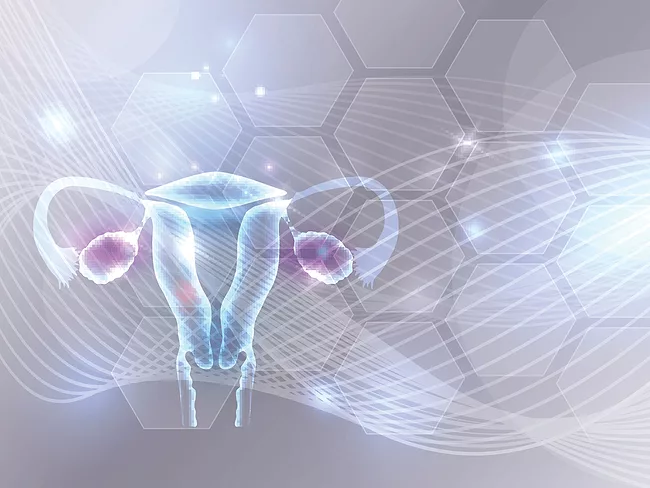
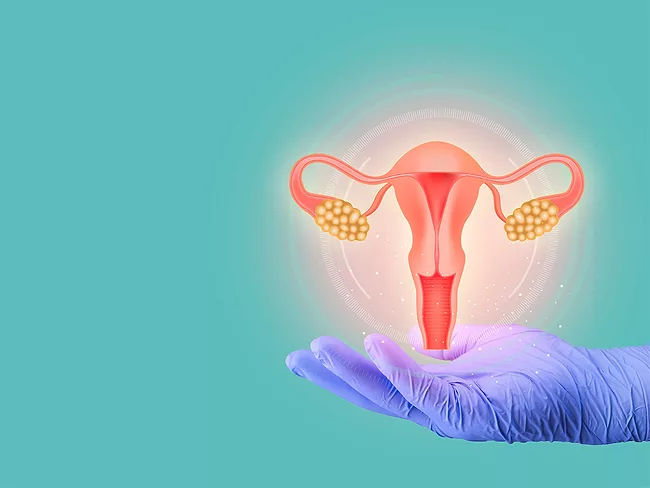
Polycystic ovary syndrome is a common endocrine disorder in women of reproductive age and characterized by obesity, insulin resistance and renal injury.
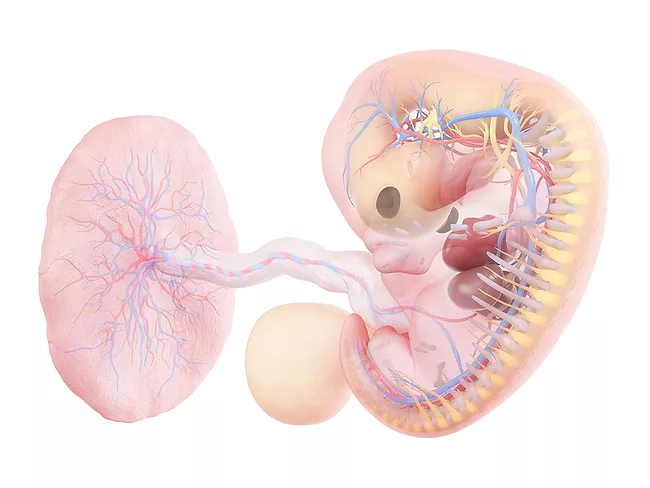
A healthy life for a healthy heart is a popular saying. However, even when following good habits, heart health can be already compromised from the very earliest stages of development. Maternal cells reach the embryo through the placenta contributing to its normal formation. So, just as the mother helps form a functional heart, she can also induce a condition that may not appear until adulthood.
Abion Inc. signed a potential $1.315 billion deal with an anonymous partner June 22, granting the counterparty exclusive global rights to a preclinical claudin 3-targeting monoclonal antibody, ABN-501, and the potential to license four more protein targeting antibodies.
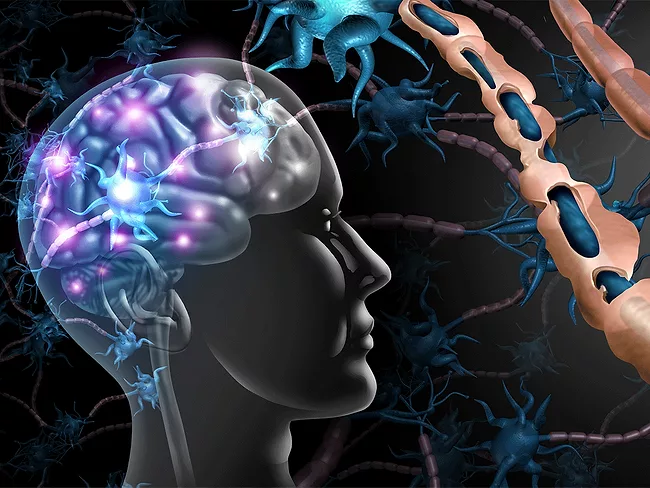
In recognition of the fact that diversity, equity and inclusion are necessary prerequisites for precision medicine, the European Academy of Neurology announced the launch of a DEI Hub at its 11th Congress, which is being held in Helsinki through June 24.
In recognition of the fact that diversity, equity and inclusion (DEI) are necessary prerequisites for precision medicine, the European Academy of Neurology (EAN) announced the launch of a DEI Hub at its 11th Congress, which is being held in Helsinki through June 24. “We know now that when we talk about personalized medicine, we have to understand that talking about stroke, for example, in a woman is different than talking about stroke in a man,” EAN president Elena Moro told the audience at the opening session of the conference.
“Just simply getting old, from age 50 to 75, increased risk for Alzheimer’s disease by 100-fold, which really dwarfed 10-fold increase in risk, conferred by all known risk factors combined, including APOE genotype, being a female, hypertension, smoking, physical inactivity and diabetes. And this trend stays true for almost all chronic diseases,” Yousin Suh told her audience earlier this week during a talk for the NIH Director’s Wednesday Afternoon Lecture Series.
A large-scale study has revealed the impact of germline variants on proteins in 10 cancer types. Scientists from the National Cancer Institute’s Clinical Proteomic Tumor Analysis Consortium (CPTAC) conducted a precision proteogenomic analysis in a pan-cancer study with data from 1,064 patients, identifying tumor heterogeneity and tumorigenesis associated with heritable genetic alterations. The results provide a broad view of cancer risk that could be useful for patient stratification and the design of prevention strategies.