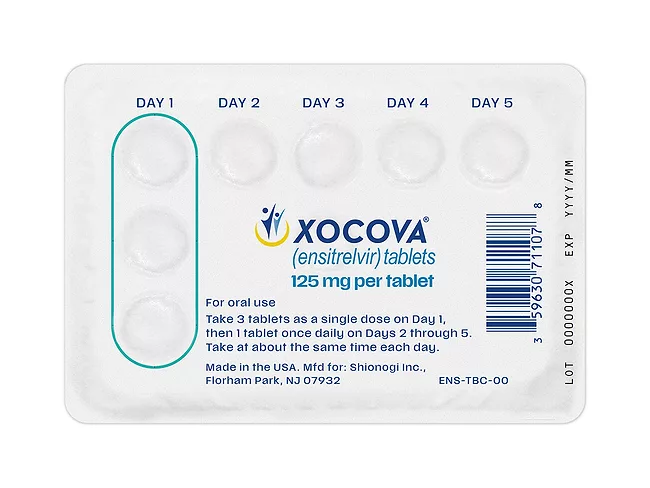
The U.S. FDA approved 24 drugs in May 2026, the busiest month of the year so far. Up from April’s 14, it brings the year-to-date total to 84 approvals. Through May, the agency has cleared 20 new molecular entities, a pace that, if sustained, would put 2026 on track to approach or exceed several recent years.
The industry is stepping up its campaign to persuade European governments to increase their drugs budgets, in what is described as a landmark report making the case that spending on patented drugs is not a cost to be contained, but an investment in health and the economy.
With increasing competition from China and other countries, the U.S. Department of Health and Human Services is rolling out Operation Trailblazer, a department-wide strategy to once again make the U.S. the go-to destination for early stage drug development.
China’s National Medical Products Administration approved Carsgen Therapeutics Holdings Ltd.’s NDA for satricabtagene autoleucel (satri-cel, CT-041), marking the first global approval of a CAR T therapy for solid tumors. The autologous Claudin18.2-targeted CAR T was approved for patients with Claudin18.2-positive, HER2-negative advanced gastric/gastroesophageal junction adenocarcinoma who have failed at least two prior lines of therapy.
SK Biopharmaceuticals Co. Ltd. is doubling down on AI-powered drug discovery through a new collaboration with Insilico Medicine Inc. valued at more than $2.5 billion. The milestone-heavy deal, announced at the BIO International Convention in San Diego June 22, will pair Insilico’s Pharma.AI platform with SK Biopharm’s central nervous system (CNS) drug development and commercialization capabilities, underscoring Korean and global biopharma efforts to embed AI across the entire R&D lifecycle.
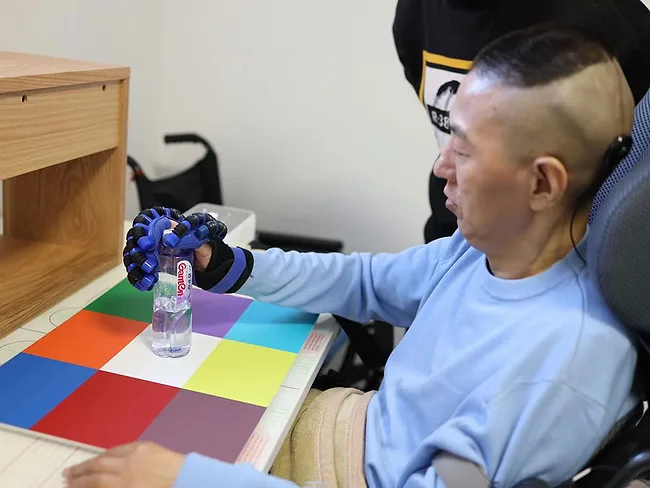
Decades of research are helping unravel the “black box” of the brain. The second article in BioWorld’s series on the Brain-Computer Interface (BCI) field looks at how simultaneous breakthroughs in AI technology are pushing the BCI field from a theoretical concept to a potential real-world, clinical option for individuals, particularly in China where the National Medical Products Administration greenlighted the world’s first invasive BCI system – Neuracle Medical Technology Co. Ltd.’s Neural Electronic Opportunity – for clinical use in March 2026.
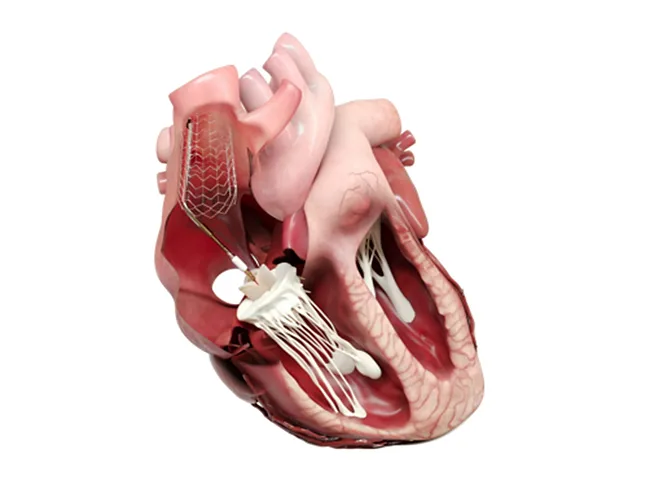
Croívalve Ltd. secured a further $20 million in series B financing for its Duo Adapt system, a transcatheter device that treats tricuspid regurgitation. The company also received $7 million from the European Innovation Council and the Disruptive Technologies Innovation Fund in grant financing. Croívalve will use the funds to expand its clinical study, which is evaluating the safety and performance of the Duo Adapt system in patients with severe or greater symptomatic tricuspid regurgitation.
Missing statistical significance on the primary overall survival phase III endpoint with antibody-drug conjugate (ADC) sigvotatug vedotin compared with docetaxel in non-small-cell lung cancer (NSCLC), Pfizer Inc., which gained the candidate through its $43 billion buyout of Seagen Inc. in 2023, is forging ahead based on subgroup signals, phase I data and an ongoing phase III Keytruda combination effort currently underway.

 RSS
RSS