Ready or not, the future has arrived. Novel AI and brain-computer interface (BCI) systems are no longer confined to the realm of science fiction. As an increasingly intertwined human-machine model moves closer to adoption in real-world clinical and military practice, technological advances are sparking concerns over public health, ethics and national security.
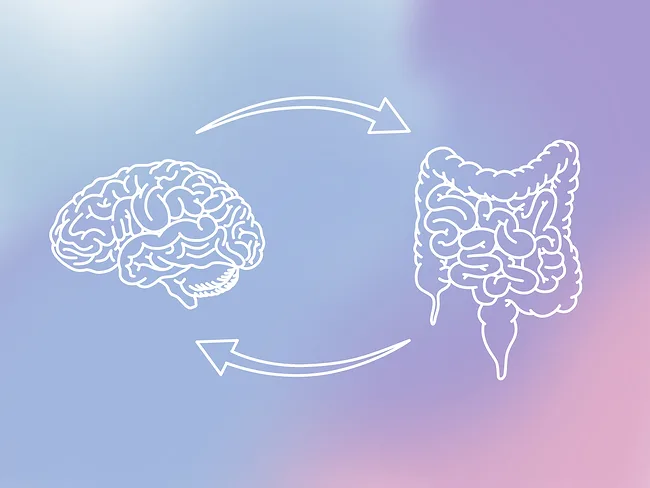
The gut microbiota may be altered in people with depression as a result of treatment. These microorganisms reorganize differently in individuals who respond to therapy. In a multiomics study of antidepressant-naive patients presented at the 2026 World Congress of Neuropsychopharmacology (CINP), scientists from National Taiwan University found that patients who improved after antidepressant treatment maintained a more balanced and functional microbial ecosystem, recovered beneficial metabolites, and displayed blood-based biological signals that aligned with these changes.
Viridian Therapeutics Inc.’s U.S. FDA clearance of Lumvoa (veligrotug-vvze) to treat thyroid eye disease (TED) includes labeling for chronic as well as active forms, and fewer infusions – plus fast, durable effects – should give the IGF-1R antagonist leverage in competing with similarly targeted TED drug Tepezza (teprotumumab-trbw), owned by Amgen Inc. and approved in January 2020.
Regulatory snapshots for biopharma and med tech, including global submissions and approvals, and other regulatory decisions and designations: Aidoc, Celecor, Cercare, Deephealth, Gilead, Ionis, Merck, Pfizer, Radnet, Reprocell, Spectral, Sunshine.
 RSS
RSS