Biopharma dealmaking activity remained strong in October, with total deal value reaching $31.86 billion, a 17% increase from $27.15 billion in September and ranking as the second-highest month in 2025 after June’s $35.43 billion.
Biopharma companies focused on infectious disease extended their stock recoveries through the third quarter (Q3), with the BioWorld Infectious Disease Index closing October up 28.98%. The gain marks a strong turnaround from earlier in the year, when the index had fallen 17.83% by the end of April before rebounding to a 4.34% gain by July’s close.
In a deal worth up to $840 million, Third Arc Bio Inc. is licensing Adagene Inc.’s Safebody technology platform to generate two masked CD3 T-cell engagers against unique tumor associated antigens.
Fifteen years since the first patient was treated, and after being ditched by two companies, the EMA is recommending approval of Waskyra (etuvetidigene autotemcel), the first gene therapy for treating Wiskott-Aldrich syndrome.
Merck & Co. Inc. is buying Cidara Therapeutics Inc. for $9.2 billion to acquire a late-stage flu candidate and also to outrace blockbuster Keytruda’s looming patent expiration. CD-388, Cidara’s lead candidate, is in a phase III study of adolescents and adults for preventing influenza A and B in those who are at a high risk of developing complications.
The pricier offer by Lundbeck A/S for Avadel Pharmaceuticals plc – which follows last month’s agreement for a takeover by Alkermes plc – had Wall Street buzzing as pundits weighed the odds for each suitor.
Researchers from the Chinese Institute for Brain Research, the Chinese Academy of Medical Sciences, and their collaborators have identified adenosine as the driving force behind the rapid, fast-acting antidepressant effects of ketamine and electroconvulsive therapy (ECT). “Our journey into this area of research began over a decade ago, around 2013, when the clinical world was buzzing with excitement about ketamine's remarkably rapid antidepressant effects,” Minmin Luo, co-senior author of the study, told BioWorld.
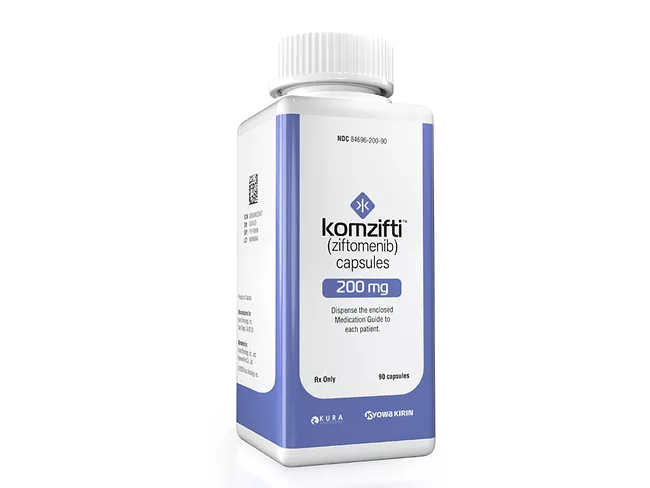
The U.S. FDA gave the thumbs up to Kura Oncology Inc./Kyowa Kirin Co. Ltd.’s selective oral menin inhibitor, ziftomenib, to treat relapsed, refractory (r/r) nucleophosmin1 (NMP1)-mutant acute myeloid leukemia (AML). The approval of the drug, branded Komzifti, came more than two weeks ahead of the Nov. 30 PDUFA date.

 RSS
RSS