Clinical updates for biopharma and med tech, including data readouts and publications: Boston Scientific, Elixir, Immunitybio, Mabylon, Nexgel, Oligomerix, Relay, Sanofi, Savara, Sensome, Sustained, Tiziana, United, Upstream, Upstream, Vast, Wave, Zena.
As of May 21, the U.S. SEC’s “no-deny” settlement policy is dead. For the past 50 years, the agency has required settling defendants to sign an agreement stating that they neither admit nor deny the SEC’s allegations. And beyond that, the standard settlement prohibits, under threat of court action, the defendants from ever denying the allegations publicly. According to an SEC notice to be published in the May 21 Federal Register, the agency has reconsidered the issue and is now rescinding the no-deny rule.
The short story of the U.S. Court of Appeals for the Federal Circuit’s May 19 opinion in Recor Medical Inc. v. Medtronic Ireland is that the lower court got it wrong when it ruled Medtronic lacked the required standing to bring an infringement countersuit against Recor because it had granted an exclusive license for products covered by the two asserted patents. The case was reversed and remanded.
A subgroup analysis of data from Boston Scientific Corp.’s Champion-AF trial, which looked at the outcomes for patients with atrial fibrillation treated with a left atrial appendage closure (LAAC) device compared to direct oral anticoagulants (DOACs), found that the efficacy and safety of LAAC compared to DOAC are not affected by age. The data were presented at the EuroPCR conference in Paris.
It is not surprising that a large Ebola outbreak would be considered a public health emergency of international concern. But the current PHEIC is notable for the speed with which it was declared, speaking to the urgency of the situation. World Health Organization Director-General Tedros Adhanom Ghebreyesus declared the outbreak a PHEIC on Sunday, May 17, without first convening an emergency committee. That step is unprecedented.
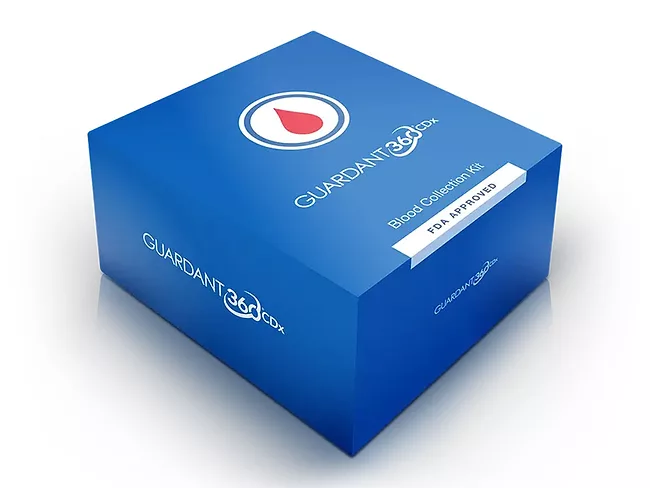
The evolution of cancer diagnostics continues with the FDA’s May 20 approval of Guardant Health Inc.’s Guardant360 Liquid cDx. The new blood-based comprehensive genomic test assesses a 100-times wider genomic footprint than the previously approved Guardant360 cDx to deliver comprehensive tumor profiling results, according to the company. It noted that the seven companion diagnostic indications already approved for the older test will transfer to the new one.
The recent multibillion-dollar licensing alliance between Bristol Myers Squibb Co. and Jiangsu Hengrui Pharmaceuticals Co. Ltd is not an outlier, but rather the clearest sign yet that China’s biotech industry has entered a new phase of global influence.
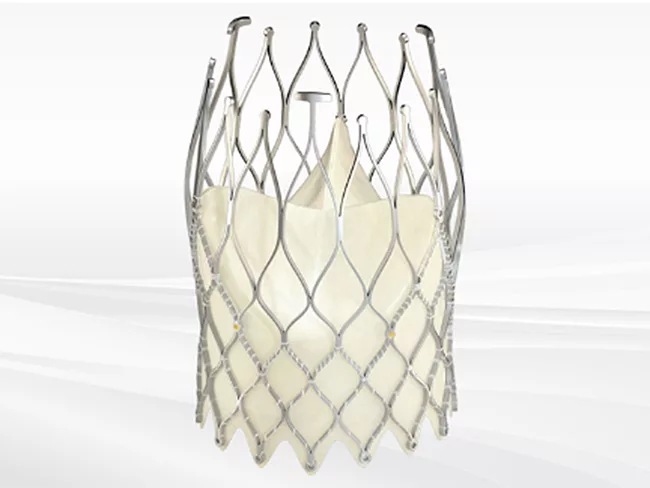
Data from the All Women clinical trial, which looked at the Allegra transcatheter aortic valve replacement (TAVR) system compared to balloon-expandable valves (BEV) in women with aortic stenosis, showed that Allegra delivered lower mean gradients and less prosthesis-patient mismatch than BEVs. The data presented at the EuroPCR conference in Paris was the first randomized head-to-head comparison of different TAVR platforms conducted exclusively in women.

 RSS
RSS