In the opening sessions of this year’s ESMO Targeted Anticancer Therapies Congress, Elena Garralda, director of the Molecular Therapeutics Research Unit at Vall d’Hebron Institute of Oncology in Barcelona, described ESMO TAT as “the house of phase I,” a fitting label for a meeting centered on translational research and early drug development, where first-in-human data and new trial designs help shape the next generation of cancer therapies.
The GLP-1 fight has moved from injectables to pills, and Structure Therapeutics Inc. is in the ring with phase III-ready aleniglipron. According to the Bay Area biotech, its oral once-daily glucagon-like peptide-1 (GLP-1) drug candidate, aleniglipron, demonstrated an absolute weight loss of “up to 39 pounds” in the 44-week Access II trial.
Australia has released the first clinical practice guideline for the appropriate use of methylenedioxymethamphetamine-assisted psychotherapy for post-traumatic stress disorder, but clinicians caution that evidence, infrastructure and access remain works in progress.
Roche Holding AG received CE Mark approval for its Elecsys Apolipoprotein E4 (ApoE4) biomarker test, an in vitro diagnostic immunoassay to identify the ApoE4 gene variant from a blood sample. With APOE4 considered as the strongest genetic risk factor for developing Alzheimer’s disease, the test provides a fast, reliable way to determine whether an individual carries the genetic variant without the need for DNA‑based genotyping.
Rare disease drug development companies battle with economic challenges and small patient populations, but new technology alongside a human connection are helping researchers and marketers identify patients, educate physicians and build networks. At Pharma USA, a Reuters Events meeting in Philadelphia March 16-17, executives from Astrazeneca plc and UCB SA discussed their successes with rare disease launches, presenting their playbooks for building trust and driving adoption among patients.
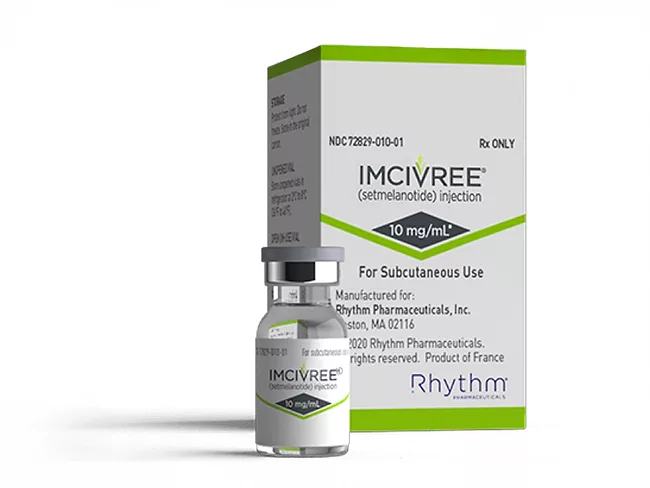
Low expectations for Rhythm Pharmaceuticals Inc.’s phase III study dubbed Emanate with Imcivree (setmelanotide) in a handful of rare genetic obesities meant hardly any share price consequence, and the stock (NASDAQ:RYTM) closed March 17 at $87.68, down $2.83. “We’re not going to file [for approval] on any of these,” CEO David Meeker said, but the latest findings together represent “a solid building block going forward,” he added.
In one fell swoop March 16, a U.S. federal judge stayed the CDC’s January memo revising the childhood vaccine schedule and the Advisory Committee on Immunization Practices (ACIP) as reconstituted by Health and Human Services Secretary Robert Kennedy, along with everything that committee has done since early June.

 RSS
RSS



-biomarker-test.webp?height=488&t=1773783523&width=650 "Elecsys Apolipoprotein E4 (ApoE4) biomarker test")