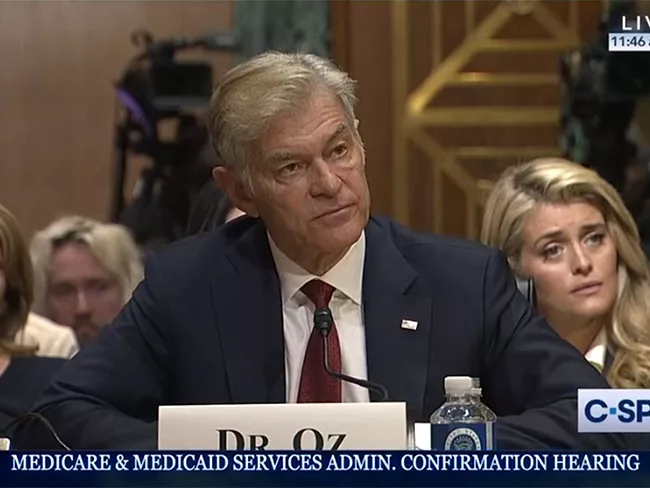
Cardiothoracic surgeon and television personality Mehmet Oz, President Donald Trump’s nominee for administrator of the Centers for Medicare & Medicaid Services (CMS), faced the U.S. Senate’s finance committee on March 14, suggesting the implementation of artificial intelligence (AI) technologies and the reduction of drug prices would be among his top priorities, if confirmed.
Biopharma deal activity climbed in early 2025, reaching $37.38 billion in the first two months, up from $35.66 billion a year ago. February saw $8.76 billion in deals, down 69% from January’s $28.63 billion, which included 11 transactions valued at $1 billion or more. Early 2025 saw the second-highest biopharma deal total on record, trailing only the $42.19 billion logged in the first two months of 2022.
Latest findings on Healios K.K.’s stem cell therapy to treat acute respiratory distress syndrome (ARDS), coined Multistem (invimestrocel; HLCM-051), found the regenerative medicine effective in reducing the number of patient days on ventilator treatment, as well as mortality benefits.
Visen Pharmaceuticals Co. Ltd. announced its initial public offering (IPO) on the Hong Kong Stock exchange (HKEX) to raise roughly HKD$603.3 million (US$77.6 million) to advance its pipeline of endocrinology assets.
Term sheets are being drawn up with potential pharma partners after Torqur AG reported positive interim results from an ongoing phase II trial of bimiralisib topical gel in the treatment of actinic keratosis.
Bristol Myers Squibb Co.’s decision this week to snag Bluebird Bio Inc. spinout 2seventy Bio Inc. for $102 million net – just weeks after investors bid $30 million for Bluebird itself – seemed to place a final blow on what was once a promising gene therapy company. The space in general has struggled to make business sense out of the one-time therapies that often involve complicated manufacturing and exorbitant prices, despite the life-changing value that gene therapies bring to patients. But despite some recent setbacks, biopharmas continue to plow forward with promising research in the field.
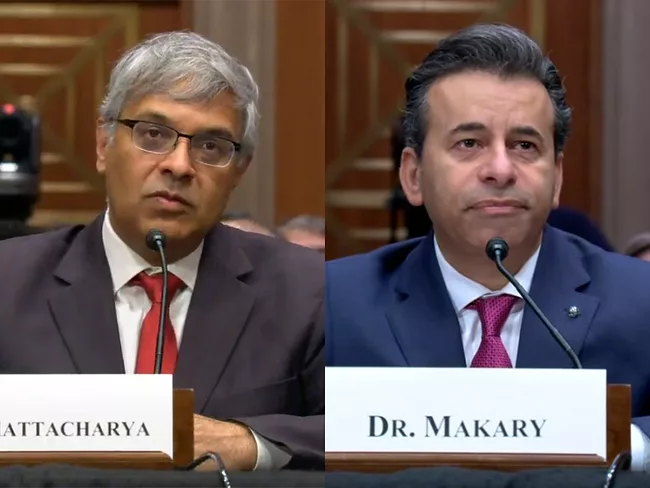
As expected, the U.S. Senate Health, Education, Labor and Pensions Committee voted March 13 to send the nominations of Jay Bhattacharya as NIH director and Martin Makary as FDA commissioner to the Senate floor for confirmation. Bhattacharya received a narrow 12-11 party-line vote, but Makary picked up some Democratic support to secure a 14-9 vote.
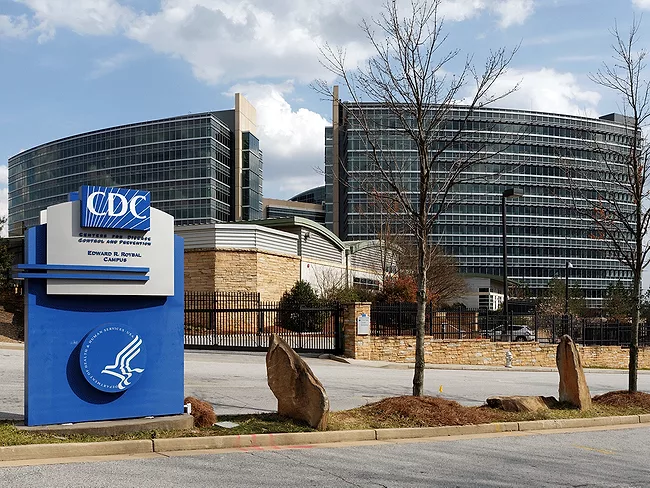
Shortly before the Senate Health, Education, Labor and Pensions Committee was to hold the first ever confirmation hearing for a U.S. CDC director March 13, it issued a statement saying the hearing was canceled due to the White House withdrawing its nomination of Dave Weldon, a physician and former congressman from Florida.

 RSS
RSS