Flare Therapeutics Inc. will receive $70 million in cash up front from Roche Holding AG, and the deal could ultimately bring the company about $1.8 billion plus royalties. Flare will search for small molecules that can be used to treat undruggable transcription factors to treat cancer. Also, Novartis AG will pay computational-chemistry expert Schrödinger Inc. $150 million up front and as much as $2.3 billion in milestones to develop several candidates along with up to $892 million in R&D and milestone payments.
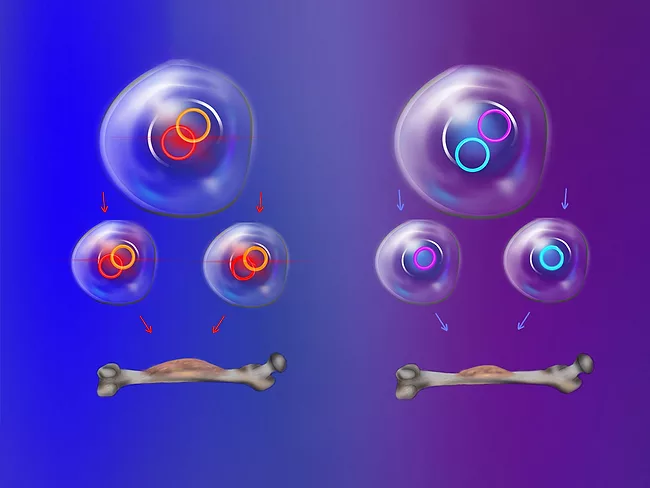
Cancer therapies can eliminate specific tumors based on their genetic content. However, some cancer cells survive. How do they do it? Part of the answer lies in extrachromosomal DNA (ecDNA), an ace up the tumors’ sleeve to adapt and evade attack. Three simultaneous studies in the journal Nature lay all the cards on the table, revealing ecDNAs’ content, their origin, their inheritance, their influence in cancer, and a way to combat them.
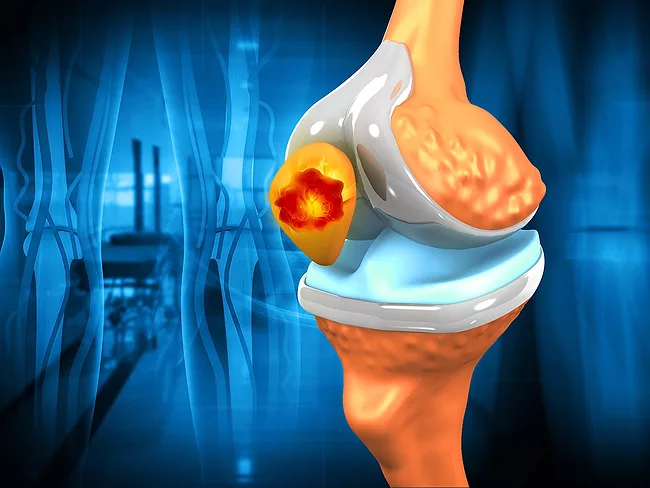
Abbisko Therapeutics Co. Ltd.’s colony-stimulating factor 1 receptor inhibitor, pimicotinib, met both primary and secondary endpoints in the phase III Maneuver global study evaluating pimicotinib for treatment of tenosynovial giant cell tumor.
Regulatory snapshots, including global drug submissions and approvals, clinical trial approvals and other regulatory decisions and designations: Argenx, Autolus, Neurizon, Novavax, Rapt, Recce, Resq, Zai Lab.
Biopharma happenings, including deals and partnerships, grants, preclinical data and other news in brief: Alfresa, Alk-Abello, Ardelyx, ARS, Biocytogen, Hepion, Ideaya, Pediatrix, Pharma Two B.
Rapt Therapeutics Inc. has decided to shut down its zelnecirnon (RPT-193) program in asthma and atopic dermatitis, causing the company’s stock (NASDAQ:RAPT) to sharply decline Nov. 11.
Abbvie Inc.’s much-hyped emraclidine, the centerpiece of its $8.7 billion buyout of Cerevel Therapeutics Inc., failed to hit its endpoints in two phase II trials in schizophrenia, sending company shares (NYSE:ABBV) down more than 12.6%, to close at 174.43, catching industry watchers by surprise and removing a potentially near-term competitor for Bristol Myers Squibb Co.’s recently approved antipsychotic, Cobenfy (xanomeline-trospium).
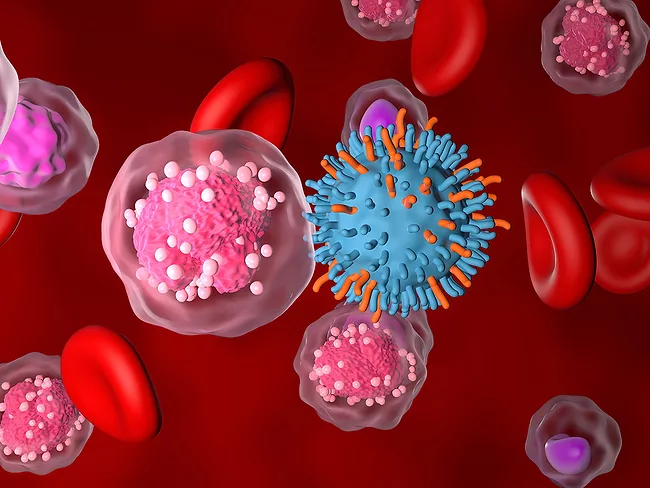
Autolus Therapuetics plc has been granted FDA approval for Aucatzyl (obecabtagene autoleucel) for the treatment of acute lymphoblastic leukemia in adults, becoming the first marketed CAR T therapy that does not have a risk evaluation and mitigation strategy attached to its label. The approval of Aucatzyl was based on results of the Felix clinical trial in relapsing/remitting ALL, which showed a strong safety profile compared to existing CAR T-cell therapies. The conduct of the trial was dogged by the COVID-19 pandemic, but of the 65 patients from an initial dosed cohort of 95 for whom efficacy was evaluated by the FDA, 63% achieved overall complete remission.
 RSS
RSS