Clinical updates, including trial initiations, enrollment status and data readouts and publications: Beam, Ichnos, Intra-Cellular, Nouscom, Vaccinex, Veru.
Extending its cash runway into 2026, Sana Biotechnology Inc. is prioritizing certain autoimmune assets and punting an oncology program and a central nervous system diseases program to a potential licensing partner or spinout company.
Alongside the release of abstracts related to the American Society of Hematology meeting next month in San Diego, and as part of the firm’s third-quarter update, Beam Therapeutics Inc. disclosed that one patient died in the phase I/II trial testing BEAM-101 in sickle cell disease (SCD).
OSE Therapeutics SA has reported positive data for lusvertikimab in a phase II trial in ulcerative colitis, boosting the monoclonal antibody’s prospects of becoming the first anti-interleukin-7 therapy to reach the market.
Drug regulators around the world have a unique opportunity – and, in some cases, a legal mandate – to remove the taint of forced labor from the biopharma supply chain. But some of them, including the U.S. FDA and Japan’s PMDA, may be turning a blind eye to those responsibilities, according to a recent report from the nonprofit Centers for Advanced Defense Studies.
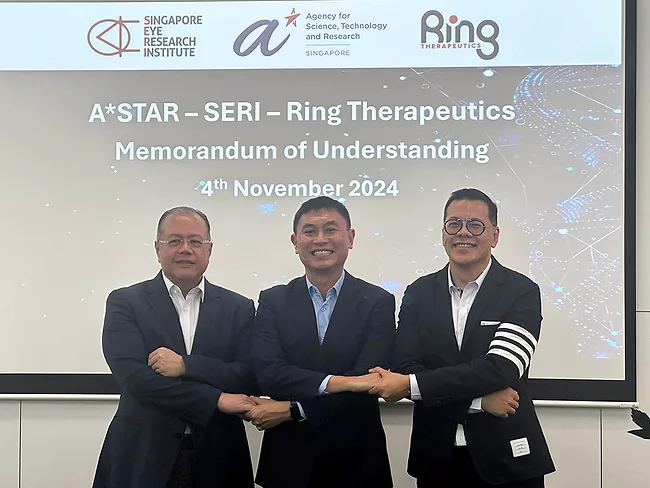
Ring Therapeutics Inc. has joined forces with Singapore’s Agency for Science, Technology, and Research and with the Singapore Eye Research Institute to advance the first new class of viral vectors in more than 50 years, Ring CEO Tuyen Ong told BioWorld.
Japan’s Pharmaceuticals and Medical Devices Agency (PMDA) set up its second overseas regulatory office in Washington, four months after the drug and med-tech regulator opened its first Asia base in Bangkok, Thailand, in July 2024.
Biopharma happenings, including deals and partnerships, grants, preclinical data and other news in brief: Ascendis, Kadimastem, NLS, Nobelpharma, Novo Nordisk, Relief, Renexxion, Surrozen, TCGFB, Y-Mabs.
Clinical updates, including trial initiations, enrollment status and data readouts and publications: Atossa, Cinfina, Neurocrine, Novo Nordisk, OSE, Teva, Viking.

 RSS
RSS