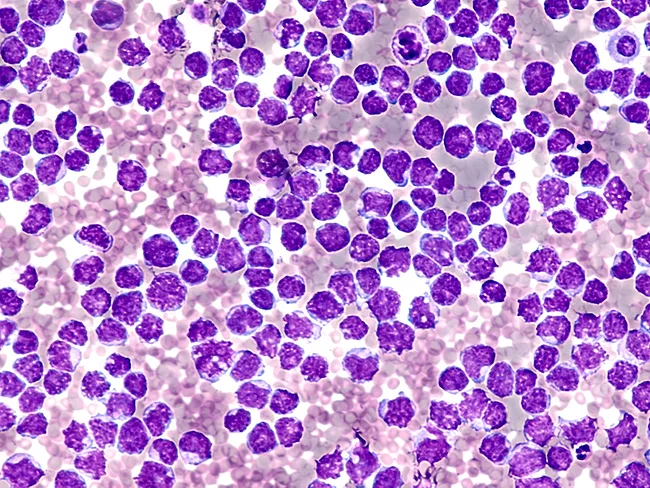
How the U.S. FDA might view the latest Duchenne muscular dystrophy (DMD) phase III data with gene therapy RGX-202 became the question for Regenxbio Inc., shares of which (NASDAQ:RGNX) closed May 14 at $6.25, down 38%, or $3.80, after the results were made public.
Biogen Inc. has decided to advance diranersen (BIIB-080) into registrational trials for early Alzheimer’s disease, even though the antisense oligonucleotide therapy, originally discovered by Ionis Pharmaceuticals Inc., missed its phase II primary endpoint.
Shanghai Fosun Pharmaceutical (Group) Co. Ltd. is paying $60 million up front for an option to secure exclusive rights to Aribio Co. Ltd.’s oral phase III-stage Alzheimer’s disease (AD) therapy, AR-1001. The option fee plus license agreement has potential to tally $4.7 billion for Aribio, marking the largest deal for an AD asset inked by a Korean biotech company.
Gene therapies rely on vectors to reach the target tissue where they act, such as adeno-associated viruses (AAVs) or lipid nanoparticles (LNPs), among other delivery strategies. Each combination is optimized for a specific cell type and indication, aiming to overcome challenges such as efficacy, specificity and toxicity. On May 13, 2026, two sessions included in the scientific symposia of the 29th Annual Meeting of the American Society of Gene and Cell Therapy (ASGCT), being held in Boston this week, addressed AAV-related toxicities, which have led to fatal cases in clinical trials and remain an area for improvement in approved therapies.
A few months after winning its first regulatory clearance in China, Beone Medicines Inc.’s next-generation BCL2 inhibitor, sonrotoclax, gained the U.S. FDA’s accelerated approval for use in patients with relapsed or refractory mantle cell lymphoma (MCL) following treatment with a BTK inhibitor. The therapy, branded Beqalzi, marks the first BCL2-targeting drug for MCL in the U.S., but the company has pointed to a bigger opportunity in the potential combination with blockbuster BTK drug Brukinsa (zanubrutinib).
Eli Lilly and Co.’s buyout of Ventyx Biosciences Inc. for $1.2 billion at the start of the year brought to the forefront NLR family pyrin domain containing 3 (NLRP3) inhibitors on which a handful of developers have been working, and research in the space continues to roll out, as with the paper published March 26 in Nature that delved into mechanisms that rev up the NLRP3 inflammasome.
Of all the issues that could be on the table at the talks between U.S. President Donald Trump and China President Xi Jinping, the life sciences sector is the “sweet spot” for collaboration between the two countries in a way that would benefit the world, Sen. Thom Tillis, R-N.C., said in a Brookings Institution webinar in advance of the two-day summit that starts May 14.
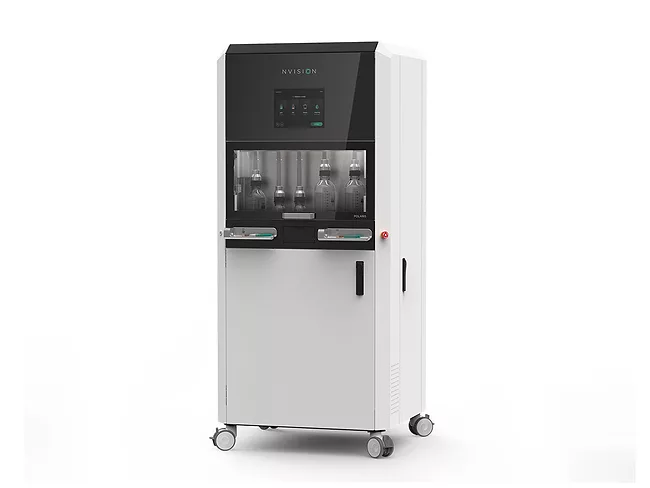
Nvision Imaging Technologies GmbH raised $55 million in a series B financing round led by Abbott Laboratories for its quantum-enhanced sensing platform, Polaris, which uses quantum technology to boost the MRI signal of sugar-based imaging agents to enable real-time measurement of metabolism on standard MRI systems. Sella Brosh, CEO and co-founder of Nvision, told BioWorld that the funds are extremely important as the company is scaling the Polaris systems to many more sites worldwide, which is a capital intensive process.
 RSS
RSS