Metis Techbio Co. Ltd. is seeking a potential HK$2.11 billion (US$270 million) raise through a stock sale May 13, marking the largest biotech raise on the Hong Kong Stock Exchange this year to date. Hangzhou, China-based Metis is an AI-based nanoparticle drug formulation and delivery-focused company. Synthetic lethality-based cancer drugmaker Impact Therapeutics Inc., of Shanghai, plans to debut on the same day with a US$117 million IPO.
In a deal potentially worth up to $15.2 billion, Jiangsu Hengrui Pharmaceuticals Co. Ltd. is joining efforts with Bristol Myers Squibb Co. to advance 13 early development programs in the fields of oncology, hematology and immunology. Shanghai-based Hengrui will hold exclusive rights in mainland China, Hong Kong and Macau, while Princeton, N.J.-based BMS will hold exclusive rights in the rest of the world. The deal includes four oncology/hematology assets from Hengrui, four immunology assets from BMS, and five assets that the two companies will jointly discover and develop.
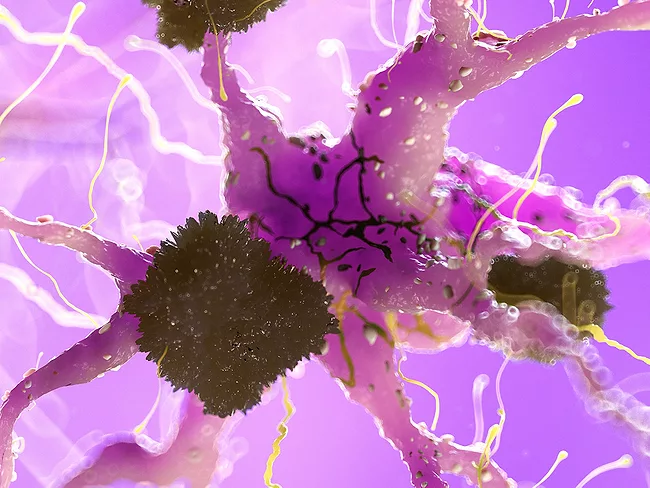
Roche Holding AG secured CE marking for the Elecsys plasma phosphorylated-tau 217 blood test designed to rule in and rule out amyloid pathology, a hallmark of Alzheimer's disease. Developed with Eli Lilly and Co., the test brings to the market another much-needed solution to help clinicians diagnose Alzheimer’s patients following the FDA approval of Fujirebio Diagnostics Inc.’s blood test last year.
Rigel Pharmaceuticals Inc. CEO Raul Rodriguez said breast cancer therapy Veppanu (vepdegestrant) could become his firm’s “largest product with the current label,” and other opportunities with the drug are lined up behind, albeit “still a bit early.”
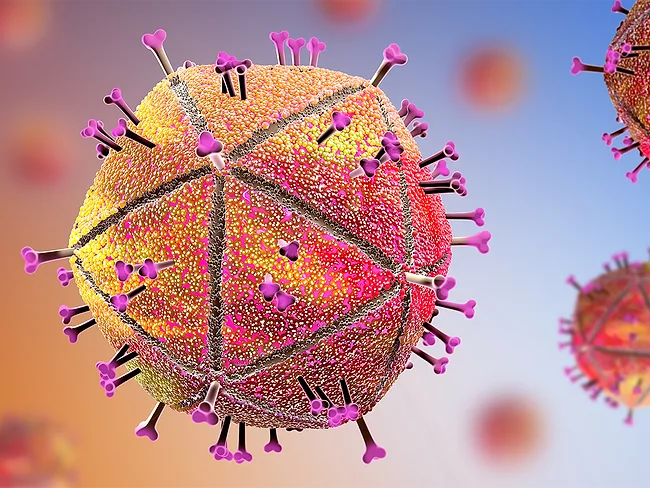
A designed chimeric virus induced broadly neutralizing antibodies against the macaque equivalent of HIV. The strategy works in two steps: first it uses an envelope protein with a mutation that reduces the glycan shield that makes it invisible to the immune system, and then it exposes the part of the protein most likely to generate these antibodies capable of blocking many variants of the virus. The macaques developed potent and diverse antibodies with this approach, which pave the way for the development of an HIV-1 vaccine.
Regulatory snapshots for biopharma and med tech, including global submissions and approvals, and other regulatory decisions and designations: Bioarctic, BMS, Chance, Eisai, Kelun-Biotech, Mezzion, Rivanna, Rznomics.
Biopharma and med-tech happenings, including deals and partnerships, and other news in brief: Amplitude Vascular Systems, Assertio, Capricor, Garda, GSK, Merck, Nippon, Stryker.
Clinical updates for biopharma and med tech, including data readouts and publications: Artiva, Beacon, Biorestorative, Opus, Red Light Holland, Reprieve Cardiovascular.
 RSS
RSS