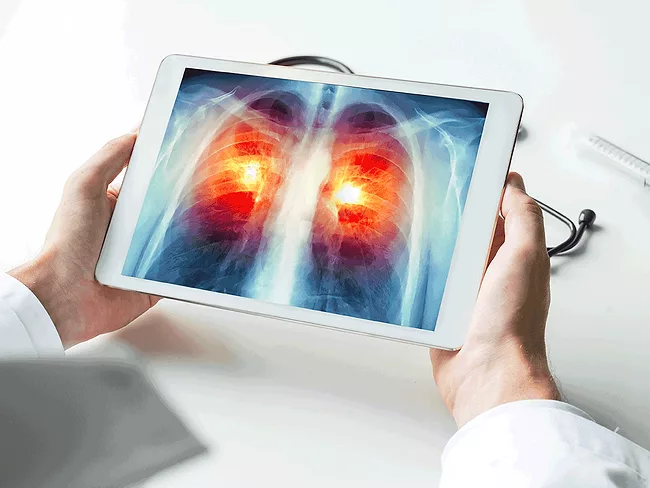
Several studies have indicated that volatile organic compounds (VOCs) in exhaled breath can be altered by lung cancer and serve as identifiable biomarkers. A limitation of using these VOCs as clinical biomarkers has been the fact that hundreds of such molecules are present in exhaled breath and it is experimentally challenging to monitor the molecular concentration changes of all the VOCs and further use them in lung cancer detection.
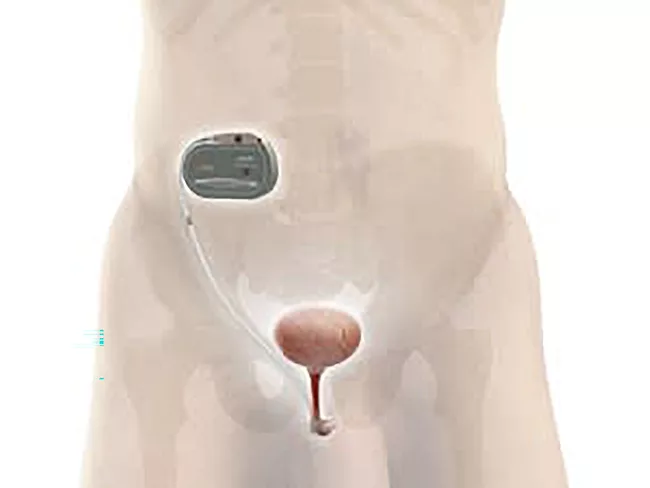
Uromems SAS reported the successful completion of the first-in-human implant of a smart, automated artificial urinary sphincter (AUS) device for treating stress urinary incontinence (SUI). This initial pilot study recently saw the first male patient implanted with the Uroactive System at Paris’s La Pitié-Salpêtrière University Hospital and is considered by the company to be a key milestone in the technology’s development.
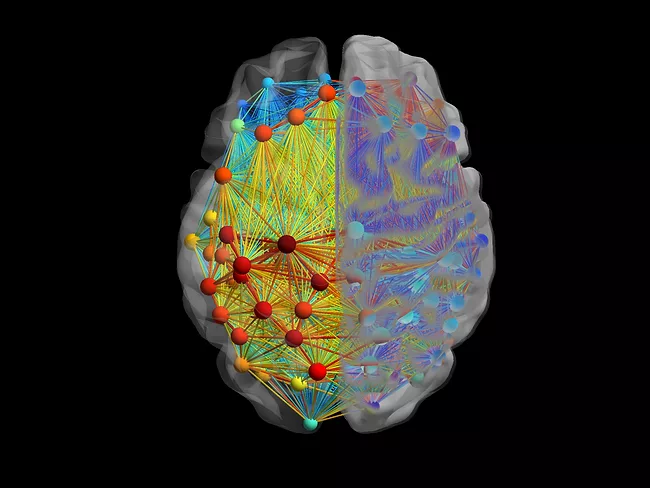
Researchers have identified a link between amyloid plaques and dysfunctional neuronal conduction in animal models of Alzheimer’s disease (AD). Their study, which was published in the Dec. 1, 2022, issue of Nature, suggests new ways to think about AD, as well as badly needed potential alternatives to plaque removal to fight the disease.
Results from the largest trial yet in transcatheter valve replacement continues to demonstrate strong results for Edwards Lifesciences Corp.’s Evoque system. A late-breaking presentation at the PCR London Valves 2022 meeting provided one-year follow-up results from the Triscend study showing better than 90% survival and 99% freedom from heart failure hospitalization. Further, 97.6% of patients maintained mild or trace tricuspid regurgitation.
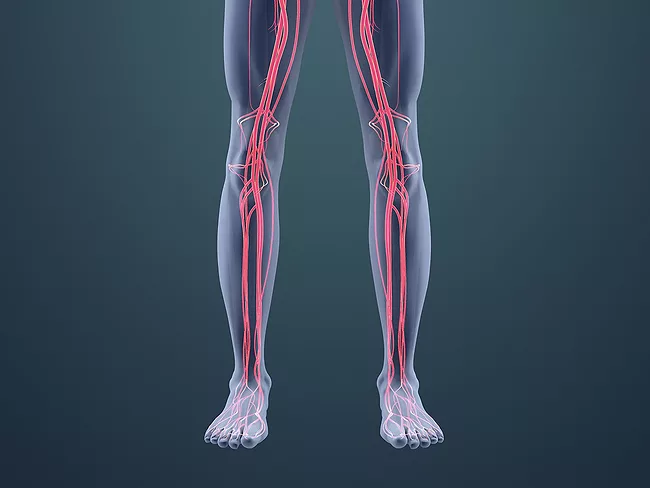
Endologix LLC reported 12-month results from the second of two studies of a fully percutaneous, transmural arterial bypass therapy for treating peripheral arterial disease. Presented at this month's annual Vascular Interventional Advances Conference in Las Vegas, the Detour-2 study revealed technical success in 100% of treated patients using the system which also surpassed a 30-day, major adverse event rate of just 7%.”
Cerenovus Inc. reported primary results from the real-world EXCELLENT Registry showing positive outcomes with its Embotrap revascularization devices in the removal of stroke-inducing blood clots. Patients enrolled in the registry were treated with either the Embotrap II or Embotrap III devices as a first line therapy to treat ischemic stroke.
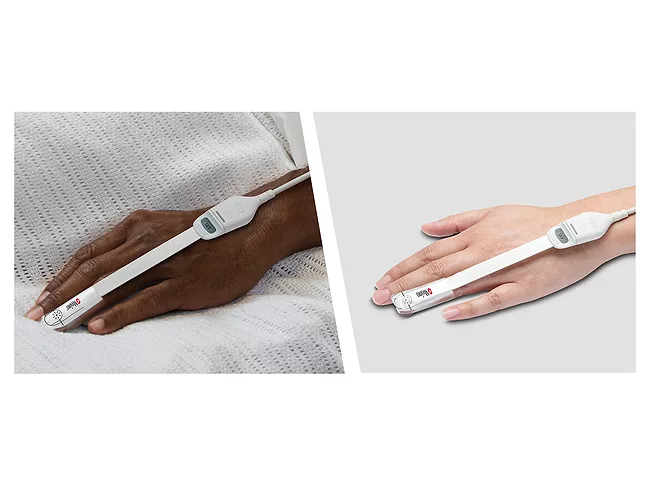
Masimo Corp.’s pulse oximetry technology avoids the dangerous under-recognition of low oxygen levels in people of color that plagues many pulse oximeters on the market, a peer-reviewed study in the Journal of Clinical Monitoring and Computing found. By integrating four additional signal processing engines to the standard algorithm, the Masimo Signal Extraction Technology (SET) system provides equally clinically accurate readings for patients of all skin tones even with movement and at low perfusion.
Global interest in radiopharmaceuticals is growing, and some big deals in the space have sparked interest in the last few years. Novartis AG has spent about $6 billion in acquisitions and is seen as the global leader.
Stimulating the brain via implanted electrodes is used to treat both movement disorders such as Parkinson’s disease, and some psychiatric conditions such as obsessive compulsive disorder. But researchers are also working on ways to make such implanted electrodes listen instead of talk – and translate neuronal signals for people that have lost the ability speak, or the ability to move.
One way psychiatric disorders differ from neurological disorders is by the absence of anatomically defined neuropathology. “Alzheimer's disease, Parkinson's disease or stroke have a very clear picture of what cells are changing and how they're changing. The specific changes are very clear under a microscope, but in psychiatric diseases one hasn't been able to see that,” Daniel Geschwind told BioWorld.
 RSS
RSS