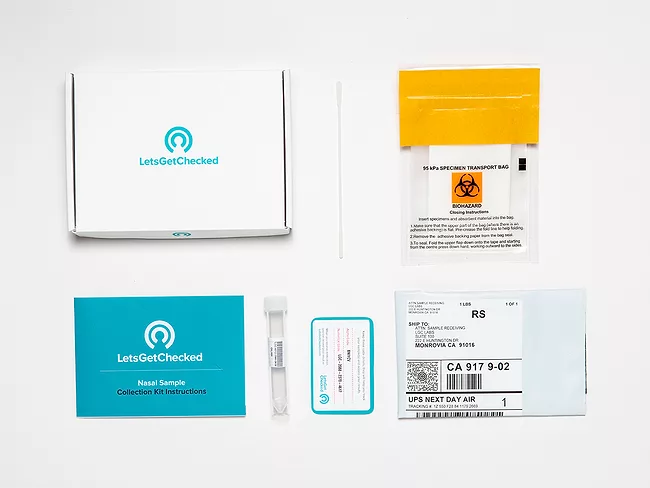
New York-based at-home testing startup Letsgetchecked said Friday that the U.S. FDA has granted emergency use authorization (EUA) for its COVID-19 Sure-track Test for signs of active SARS-CoV-2 infection. The polymerase chain reaction (PCR) nasal swab test is for use by at-risk individuals in the home and delivers results within 24 hours of a sample being received by the company’s CLIA-certified laboratory.
Regulatory snapshots, including global submissions and approvals, clinical trial approvals and other regulatory decisions and designations: Baibies, Letsgetchecked.
Regulatory snapshots, including global submissions and approvals, clinical trial approvals and other regulatory decisions and designations: Airos Medical, GE Healthcare, Gynesonics, Quest Diagnostics.
The number of tests of various types for the SARS-CoV-2 virus are still growing, but the emergency use authorization (EUA) program is not the only option for developers. Timothy Stenzel, director of the Office of In Vitro Diagnostics and Radiology, said on the agency’s May 27 town hall that the agency would like to see test developers file for a 510(k) for their tests when the data are sufficient to support an application, adding that any such clearances will not affect the U.S. FDA’s interest in keeping plenty of similar tests on the market via the EUA mechanism.
The latest global regulatory news, changes and updates affecting medical devices and technologies, including: Nantong Egens Biotechnology, Ntbio Diagnostics.
Regulatory snapshots, including global submissions and approvals, clinical trial approvals and other regulatory decisions and designations: Centinel Spine, Zionexa.
Regulatory snapshots, including global submissions and approvals, clinical trial approvals and other regulatory decisions and designations: 4DMedical, Bardy Diagnostics, Beyond Air, Merit Medical, Orteq Sports Medicine, Philips, Smart Medical Systems, United Imaging.
 RSS
RSS