“This current administration is like nothing that we've seen before,” said a managing partner of a global venture capital firm who spoke to BioWorld on the condition of anonymity. “President Trump’s first term was bad,” he said, “but nobody knows what’s coming.” “This is truly nationalism at its worst, because he won on the campaign [largely] to protect American jobs, claiming that Americans have been unfairly treated.” And it's not just China, he said, but India and other countries will also likely be affected.
In fiscal 2023, the NIH spent more than $35 billion on nearly 50,000 competitive grants to more than 300,000 researchers at more than 2,500 universities, medical schools and other research institutions across the nation. Of this funding, the NIH said about $26 billion was spent on direct research costs, while $9 billion was allocated to help cover “facilities and administration” through the agency’s indirect cost rate.
The immediate implementation of the U.S. NIH’s guidance to cut indirect costs included in its grants to 15% was quickly halted late Feb. 10 when a federal district judge granted a nationwide temporary restraining order in two separate challenges to the cuts that were to go into effect that day on all existing and new NIH grants.
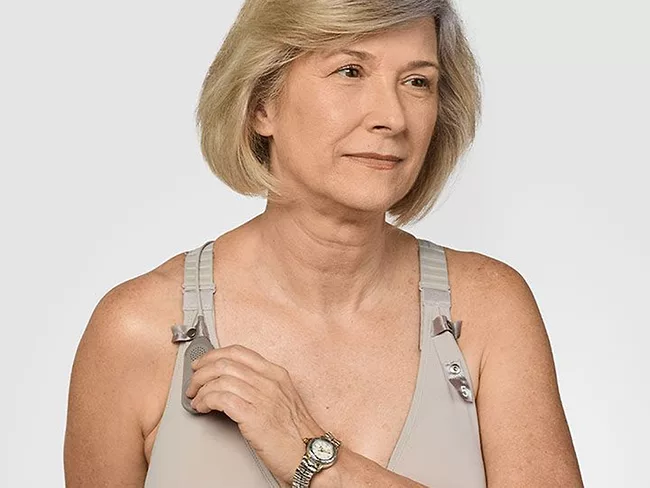
Be (not too) still my heart: Kestra Medical Technologies Ltd., maker of a wearable cardioverter defibrillator for patients at high risk of cardiac arrest, filed an S-1 with the U.S. SEC on Feb. 9 to raise $100 million in an IPO. Kestra will be the fourth med-tech company to file for an IPO in 2025, setting a pace well ahead of the last three years. U.s.car
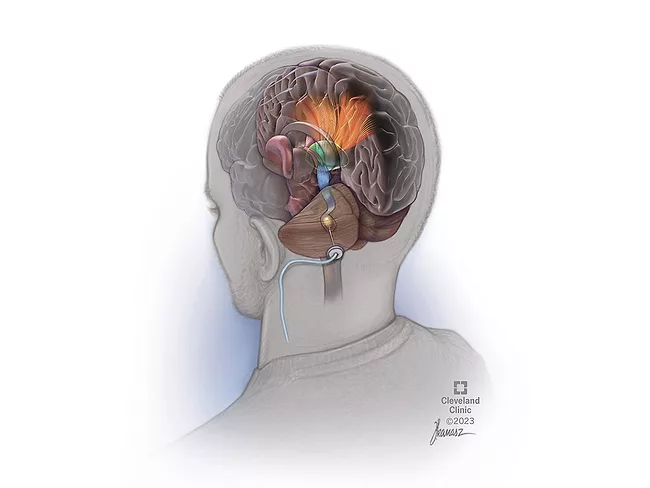
Newronika SpA's AlphaDBS recently secured an investigational device exemption from the U.S. FDA allowing it to begin a pivotal trial to evaluate the safety and efficacy of its adaptive deep brain stimulation system in patients with movement disorders, including Parkinson's disease.
The European Commission issued a set of guidelines for the use of AI as a supplement to the EU’s Artificial Intelligence Act, a document of which chatbot developers will want to take note.
The U.K.’s National Institute for Health and Care Excellence (NICE) historically relies on cost savings to vet novel medical technologies, but that may soon change per a Feb. 7 announcement.
Med-tech companies secured $2.76 billion across financings 56 transactions in January 2025, up from $1.72 billion in December and $919.99 million in November.
 RSS
RSS