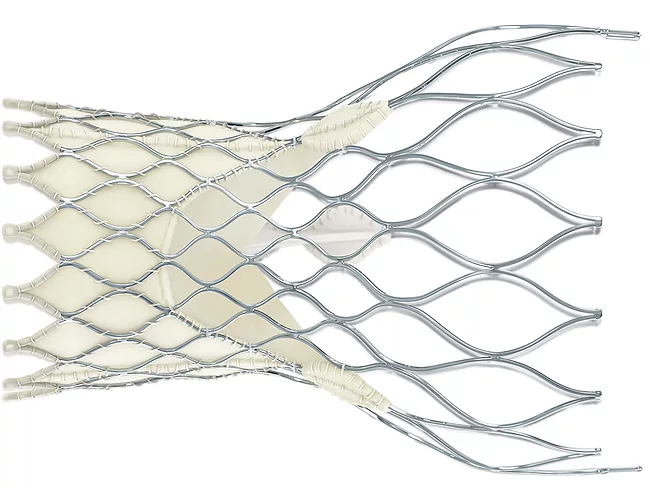
Medtronic plc and Tempus AI Inc. launched the ALERT study to better understand and address the racial, ethnic, gender and geographic disparities associated with guideline-recommended treatments for aortic stenosis and mitral valve regurgitation. Currently, white patients represent 91% of people who receive TAVR procedures, a minimally invasive procedure that sharply reduces complications and improves quality of life in patients with narrowed heart valves.
A new position paper from the International Society of Hypertension pinpoints the benefits and drawbacks of novel blood pressure management technology, including the latest cuff-based and cuffless and wearable devices like BP-measuring watches and rings.
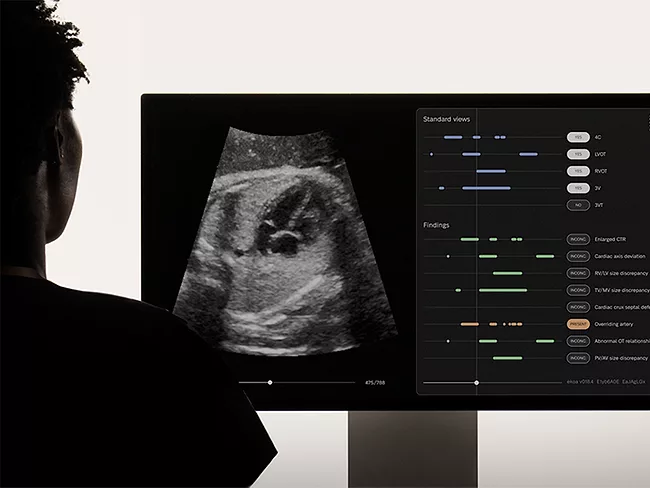
The U.S. FDA granted Brightheart SAS 510(k) clearance for its artificial intelligence software which helps doctors detect congenital heart defects in fetuses. The software will transform prenatal ultrasound evaluations of the fetal heart and improve the outcomes for newborns, Cécile Dupont, Brightheart’s CEO, told BioWorld.
Med-tech happenings, including deals and partnerships, grants, preclinical data and other news in brief: Avant Technologies, Ainnova Tech, Breakthrough Genomics, Cirrusmd, Clinical Microbiomics, Cmbio, Cosmosid, DNASense, Empiramed, Emstop, MS-Omics, Novadip, Storycatch.
An international consortium of thousands of scientists is creating the Human Cell Atlas, a three-dimensional map of all the cells in the body. The goal is to understand all the cells that make up human tissues, organs and systems, which will enable multiple medical applications. This collection of cell maps is openly available for navigation at single-cell resolution, identified through omics analyses that reveal the tridimensional distribution of each cell.
Radiopharmaceutical company Telix Pharmaceuticals Ltd. has inked a deal worth up to AU$264 million (US$171 million) to license and develop next-generation radiopharma imaging and therapy technology targeting fibroblast activation proteins found in a wide range of cancers.
While women with “big hearts” play well in popular culture, cardiologists see a very different picture – with significant implications for women’s health and medical care. Women have smaller hearts and narrower blood vessels than men and their cardiovascular systems respond to disease and treatment in very different ways. Growing evidence that failure to reflect women’s distinct anatomy in cardiac care leads to deadly disparities in outcomes has recently stimulated development of new diagnostics and increased focus on inclusion of women in medical device trials.
 RSS
RSS