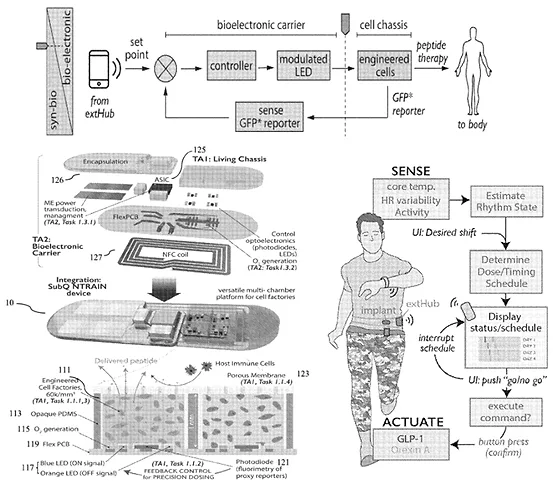
A collaborating team of researchers from Northwestern University and Rice University continue to build intellectual property for an implanted biohybrid (bioelectronic/engineered cell) device that has been likened to an implantable pharmacy on a chip that never runs out.
Molecular diagnostics company Genetic Signatures Ltd. is gearing up to launch its Easyscreen gastrointestinal parasite detection kit in the U.S. following its first FDA 510(k) clearance.
Xeltis BV hopes that promising data from clinical trials on the performance of its synthetic vascular access graft implant will transform not only the lives of patients suffering from chronic kidney disease but also the company’s fortunes. “We're outperforming other solutions out there, that's the nice promise not only for the patient and for the families but also for potential strategics that might be interested in the company and play a role in the vascular space,” Eliane Schutte, CEO of Xeltis told BioWorld.
The saga of Illumina Inc.’s attempt to reacquire Grail Inc., seems to have come to an end with a capitulation to market regulatory authorities, but Illumina has chosen to spin off Menlo Park, Calif,-based Grail rather than sell the company outright.
Regulatory snapshots, including global submissions and approvals, clinical trial approvals and other regulatory decisions and designations: Evolution Optiks, Genetic Signatures, Zeto.
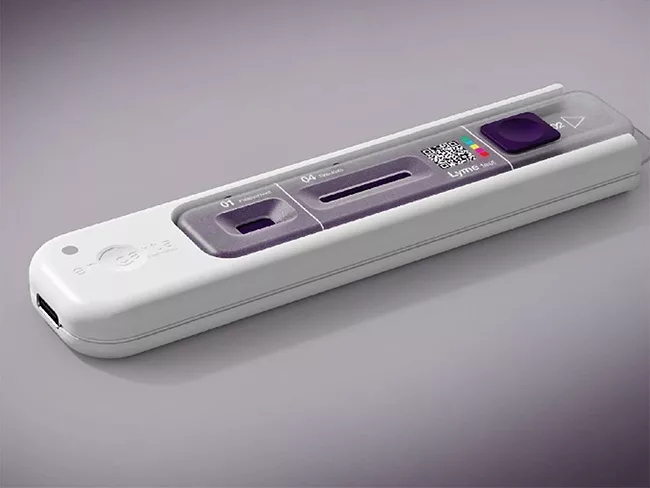
The €1.5 million ($US1.63 million) in pre-seed funding recently raised by En Carta Diagnostics SA is “key” for the company to be able to develop its point-of-care molecular diagnostics kits and generate clinical data, Guillaume Horreard, CEO at En Carta told BioWorld.
The U.S. FDA’s draft guidance for control of thermal effects of medical devices may not have broken new conceptual ground, but two trade associations are of the view that the draft is nonetheless expansive in a manner that raises serious questions.
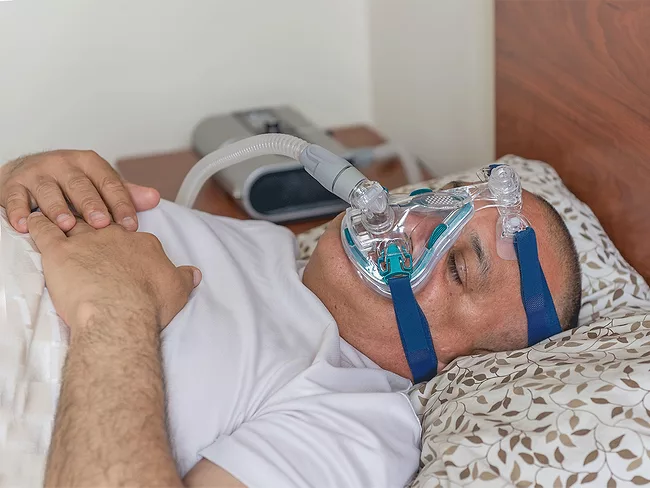
The U.S. FDA has received a citizen petition to grant over-the-counter status to continuous positive airway pressure (CPAP) machines, an oddly timed petition given a recent enforcement action against one of the prime movers in the CPAP space.
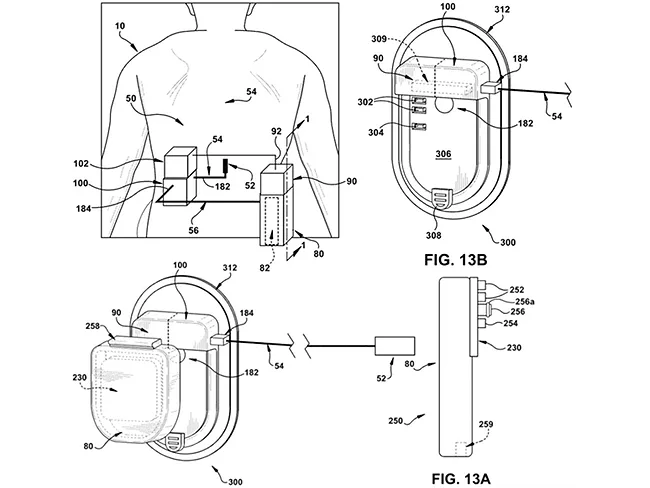
Researchers from The Cleveland Clinic Foundation continue to build intellectual property to protect their invention of a portable device for regulating the flow of cerebrospinal fluid (CSF) from a patient.
 RSS
RSS