News comes from the U.K. Intellectual Property Office at the beginning of May 2024, where Ethicon, a Johnson & Johnson MedTech company, applied for five additional years patent protection for its Ethizia hemostatic sealing patch, whose embedded Pox polymer system dehydrates blood and accelerates the coagulation cascade to in occur in seconds, forming a tight yet flexible seal that maintains a barrier to bleeding.
The U.S. Department of Justice announced May 29 that Innovasis Inc., of Salt Lake City and two of the company’s executives have agreed to pay $12 million over allegations of payment of kickbacks to surgeons.
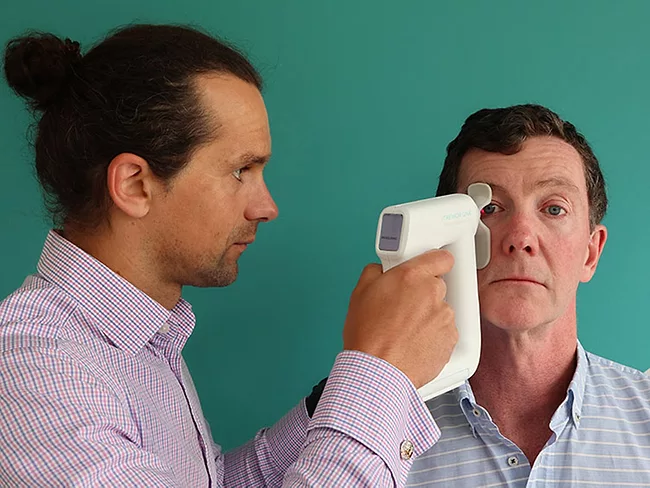
Two companies – Head Diagnostics Ltd. and Octave Bioscience Inc. – identified biomarkers that could provide objective assessments of disease progression and response to treatment for patients with multiple sclerosis.
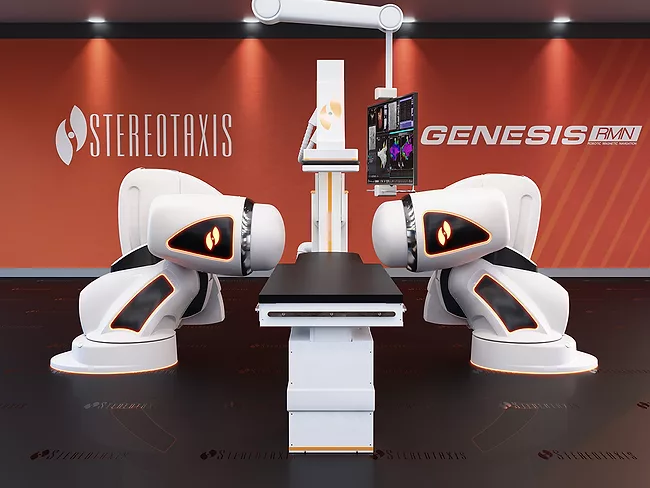
Stereotaxis Inc. recently received CE mark recertification for all its devices currently available in Europe under the new Medical Device Regulation (MDR) regulatory framework. The MDR has replaced the European Medical Device Directive and includes more stringent standards but meeting the new requirements comes with frustrations and costs for many companies.
Despite U.S. NIH policy and its peer-review grant process, providing for inclusive enrollment in phase III NIH-funded clinical trials seems to be a check-the-box exercise for many researchers. In a review of a sample of phase III NIH-funded trials conducted between 2016 and 2020, the Health and Human Services Office of Inspector General found that two-thirds had the required inclusive enrollment plans, but 57% of the trial plans provided no explanation or rationale for the enrollment targets.
Regulatory snapshots, including global submissions and approvals, clinical trial approvals and other regulatory decisions and designations: Avita Medical, Comar.
Med-tech happenings, including deals and partnerships, grants, preclinical data and other news in brief: Akili, B-Secur, Evotec, Exero, Fire1, Head Diagnostics, Innovheart, NH Theraguix, Virtual Therapeutics.
Clinical updates, including trial initiations, enrollment status and data readouts and publications: Echonous, Fastwave Medical, Moleculight, Preludedx, Sherlock, Skylinedx.
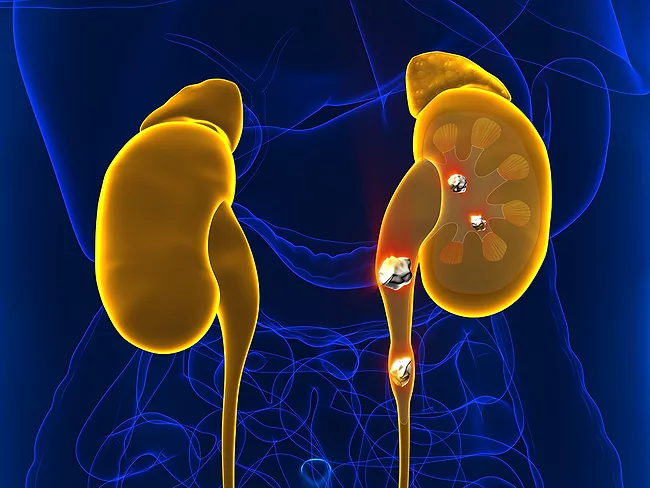
Dornier Medtech launched a first-of-its-kind artificial intelligence tool called Urogpt to support patients with kidney stones. Developed in collaboration with leading urologists, Urogpt marks a milestone in the company's commitment to leveraging digital innovation to empower kidney stone sufferers through patient-first solutions. The app provides urology patients with access to on-demand advice and actionable insights that inform and reassure users when navigating the complexities of their condition.
 RSS
RSS