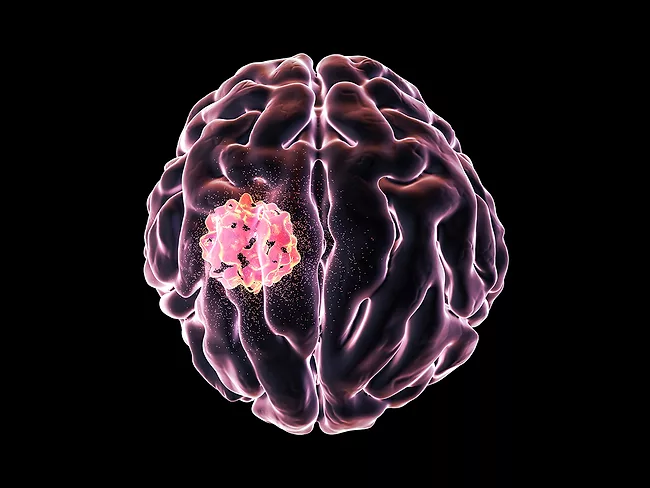
Urteste S.A. has developed a urine-based diagnostic test for the early detection of brain tumors. The prototype, which can detect the activity of brain-specific enzymes in urine, is a breakthrough test and the first solution of this type in the world, Grzegorz Stefański, CEO and co-founder of Urteste S.A., told BioWorld.
The European Council formally approved another delay for the In Vitro Diagnostic Regulation
implementation, which now gives developers of existing high-risk in vitro diagnostics until December 2027 to obtain a renewed CE mark.
The problem of counterfeit devices has perplexed the U.S. FDA for some time, given that the agency had previously been forced to send the illicit products back to the originator, only to see the same devices reenter the U.S.
Surmodics Inc. reported plans to be acquired by private equity firm Golder, Thoma, Cressey, Rauner Inc. for $43 a share for a total equity valuation of approximately $627 million. The per-share acquisition price represents a 41.1% premium to Surmodics’ 30-trading day volume-weighted average closing price through May 28, 2024.
The American Clinical Laboratory Association has followed through on its promise to file suit against the U.S. FDA over the agency’s final rule for lab-developed tests. The lawsuit will be heard in the U.S. District Court for the Eastern District of Texas, which is also the venue for litigation against another federal government agency, the Federal Trade Commission, suggesting that litigants expect a favorable review of their case in this court.
Regulatory snapshots, including global submissions and approvals, clinical trial approvals and other regulatory decisions and designations: Beckman Coulter, Vuze Medical.
Med-tech happenings, including deals and partnerships, grants, preclinical data and other news in brief: Canary Medical, Cancer Check Labs, Mannkind, Pulmatrix, Surmodics.
 RSS
RSS