“In an impressive eight-month timeline,” South Korea’s Lunit Inc. completed the $193 million (AU$292 million) acquisition of Volpara Health Technologies Ltd. to globally advance artificial intelligence (AI)-based cancer care.
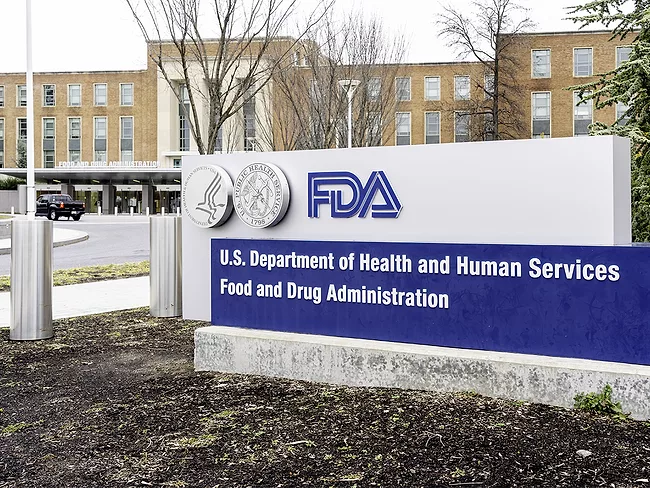
The U.S. FDA’s May 23 advisory hearing for the Shield test for colorectal cancer by Guardant Health Inc., included the expected debate over whether patients would abandon colonoscopy thanks to the advent of a new blood-based test. While much of that debate was fed by what some saw as the test’s poor performance regarding adenoma, the advisory committee voted 6-3 that the benefits outweigh the risks in a decision the FDA is likely to affirm.
The U.S. FDA’s May 23 advisory hearing for the Shield test for colorectal cancer by Guardant Health Inc., included the expected debate over whether patients would abandon colonoscopy thanks to the advent of a new blood-based test. While much of that debate was fed by what some saw as the test’s poor performance with regard to adenoma, the advisory committee voted 7-2 that the benefits outweigh the risks in a decision the FDA is likely to affirm.
Once-daily insulin treatment is getting a challenge from Novo Nordisk A/S’s once-weekly option. The U.S. FDA’s Endocrinologic and Metabolic Drugs Advisory Committee meets Friday, May 23, to review the BLA for once-weekly Awiqli (insulin icodec), a human insulin analogue from Novo for adults with type 1 diabetes mellitus.
Med-tech happenings, including deals and partnerships, grants, preclinical data and other news in brief: Better Therapeutics, Click Therapeutics, Lensabl, Oxford Biodynamics, Visibly.
At its investor presentation on May 22, Roche Diagnostics, a unit of Basel Switzerland-based Roche Holding AG reported on the company's pipeline plans, which include a slew of new tests, instrument upgrades, and the forthcoming launch of its fully automated mass spectrometry instrument.
The U.K. Medicines and Health Care Products Regulatory Agency is considering a policy of mutual recognition of medical devices that have won marketing authorization in four other jurisdictions, including the U.S. and the EU. While there are significant exclusions – such as for some articles that qualify as software as a medical device – this policy would be in force at some point in 2025, easing the path forward for products in a market that is home to nearly 67 million potential patients.
 RSS
RSS