The FDA has delivered on a final guidance for non-clinical and clinical investigations of devices used for treatment of benign prostatic hyperplasia (BPH), needing only a year and a half to convert the draft guidance into a final version. The final guidance retains the draft’s recommendation that pivotal studies follow patients for at least a year, a provision some in the med-tech industry saw as unnecessary in some instances. The scope of the July 2020 draft included non-clinical testing, a novelty compared to previous guidance on the topic. The scope of this latest guidance includes four product codes, including KNS for endoscopic electrosurgical instruments, and the FDA included several specific suggestions for the use of thermotherapy and permanent prostatic stents as treatments for BPH.
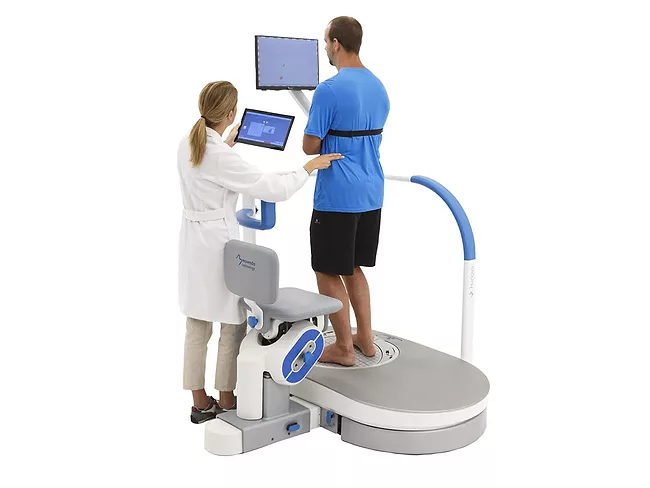
Movendo Technology srl and Maragal Medical PC have collaborated to provide free community screening for the risk of falls for Massachusetts Medicare patients using Movendo’s Hunova robotic technology. Hunova performs a progressive assessment on seated and standing patients to evaluate their flexibility, strength and balance. The system also provides personalized rehabilitative therapy recommendations.
The U.S. CMS has crafted a payment policy that covers both adjunctive and non-adjunctive continuous glucose monitors (CGMs) in the final rule for durable medical equipment (DME). Medtronic plc, of Dublin, heralded the move as “a very important benefit expansion” for the company’s customers, but the expanded coverage also pays for additional CGMs that work with Medtronic insulin pumps.
India’s Department of Pharmaceuticals (DOD) released draft guidelines to boost research and development in its pharmaceutical and medical device industries. The document touched on the reasons for a dedicated R&D and innovation policy, which involved reducing import dependence, increasing the speed of biologic and biosimilar development cycles, and tackling infrastructural challenges.
Regulatory snapshots, including global submissions and approvals, clinical trial approvals and other regulatory decisions and designations: Nobel Biocare.
Med-tech happenings, including deals and partnerships, grants, preclinical data and other news in brief: Eoflow, Lunit, Sentinel Capital, TTG Imaging, Zihipp.
Privately held Leo Pharma Inc. has worked its way through a complete response letter issued in April to see the FDA approve Adbry (tralokinumab-ldrm) for treating moderate to severe atopic dermatitis in adults. The CRL noted FDA requests for additional data related to the device component, a prefilled syringe of tralokinumab, but it did not request new efficacy or safety data related to the drug product formulation. In April and on Dec. 28, the company did not provide details on the device-related data that were requested.
Quidel Corp. reported a definitive agreement to acquire Ortho Clinical Diagnostics Holdings plc in a nearly $6 billion deal expected to close in the first half of 2022. The $24.68 per share offered by Quidel represents a nearly 25% premium over Ortho’s closing price as of Dec. 22.Quidel will also assume $2 billion in debt.
In addition, Laboratory Corp. of America Holdings (Labcorp) said it would acquire Baltimore-based Personal Genome Diagnostics Inc., which offers a portfolio of genomics-based liquid biopsy and tissue-based diagnostic products, for $450 million in cash at closing plus up to $125 million contingent on achieving specific performance milestones. That deal is also expected to close in the first half of 2022, pending approval by both companies’ shareholders.
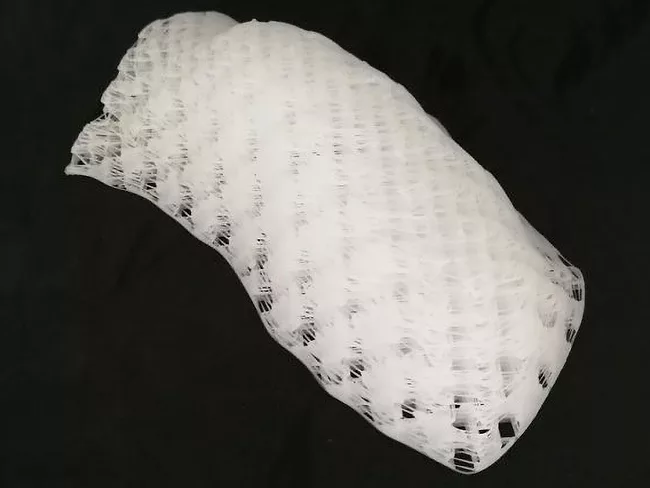
PARIS – Bellaseno GmbH reported publication of first-in-human data for its 3D-printed biodegradable and highly porous Senella scaffold filled with autologous fat graft to correct a chest deformation in a 22-year-old patient with severe pectus excavatum. The article was published in the European Journal of Plastic Surgery.
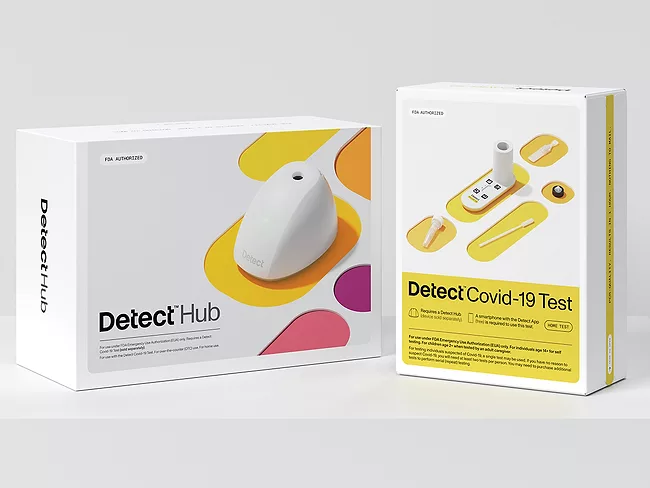
As global demand for rapid testing soars due to a new variant of COVID-19, one company is shaking up the diagnostics market with an at-home rapid PCR solution. Founded in 2017 by scientist and entrepreneur Jonathan Rothberg, Detect Inc. is the developer of Detect COVID-19, a direct-to-consumer PCR test that provides results within one hour.
 RSS
RSS