Avanos Medical Inc. is acquiring Orthogen Rx Inc. for $160 million in a bid to strengthen its chronic pain portfolio. China led the contribution to India’s med-tech imports with ₹91.12 billion (US$1.2 billion) worth of goods in the 2021 fiscal year (April 2020 to March 2021), according to an analysis of data from India’s Department of Commerce by the Association of Indian Medical Device Industry (AIMED).
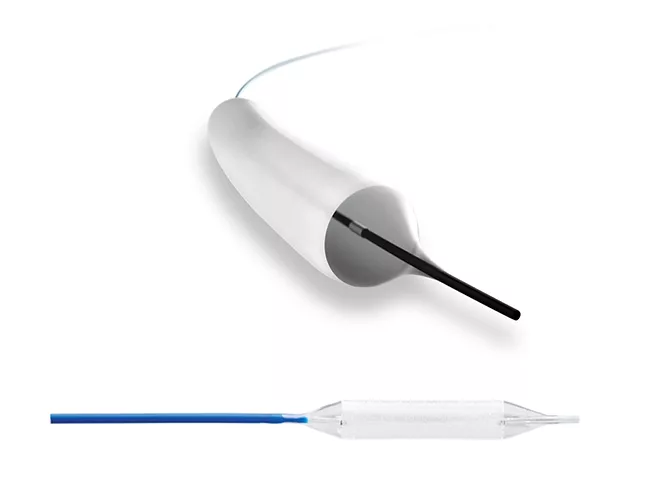
The FDA has granted approval to Urotronic Inc. for its Optilume urethral drug-coated balloon (DCB) for the treatment of male urethral strictures. The device inhibits new scar tissue growth that may form after endoscopic dilations via the controlled release of paclitaxel, an antiproliferative that inhibits scar tissue formation.
Regulatory snapshots, including global submissions and approvals, clinical trial approvals and other regulatory decisions and designations: Bridge to Life, Healthtrackrx, Klox, Medtronic, Roche.
Med-tech happenings, including deals and partnerships, grants, preclinical data and other news in brief: Bracco Imaging, Guerbet, Ganzimmun, Heartflow, Icad, Labtech Diagnostics, Mainz Biomed, Ortho Regenerative, Quest Diagnostics.
TORONTO – Cloud Dx Inc. has entered into an exclusive corporate agreement with Medtronic Canada ULC to provide the subsidiary of Medtronic plc virtual and remote patient monitoring (RPM) technology and services across Canada. Medtronic Canada will begin by integrating Cloud Dx’s Connected Health platform along the perioperative and complex chronic disease pathways that make up the country’s health care network.
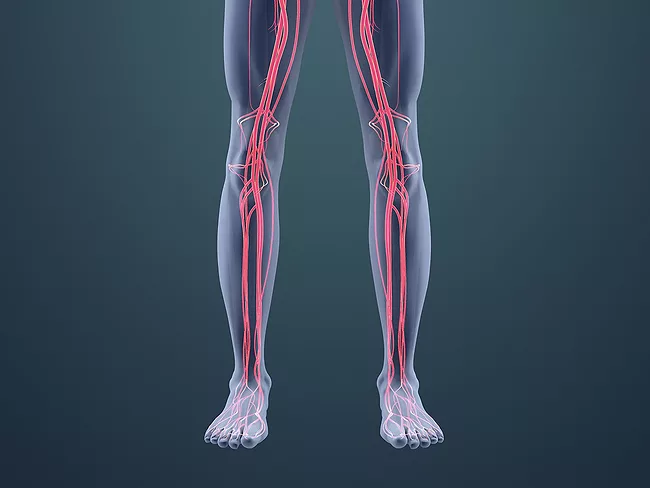
Intervene Inc. received breakthrough device designation from the FDA for its treatment for chronic venous insufficiency (CVI), Blueleaf endovenous valve formation system, which makes new venous valves in the leg using the patient’s own vein tissue. The catheter-based system splits and stretches the vein wall to create a new leaflet. In a recently published study, 14 patients underwent the procedure, of which 13 successfully had at least one new valve created. No patients experienced adverse events during the procedure and no deep venous thromboses developed through a one-year follow up period.
At long last, the FDA has released information on a potential regulatory framework for 3D device printing at the point of care (POC), just the first step in the implicit guidance development process. The document highlights several potential tripwires for device manufacturers and operators of health care facilities, but the large number of complex questions posed by the paper suggests that a final guidance is not likely to arrive any time soon.
 RSS
RSS