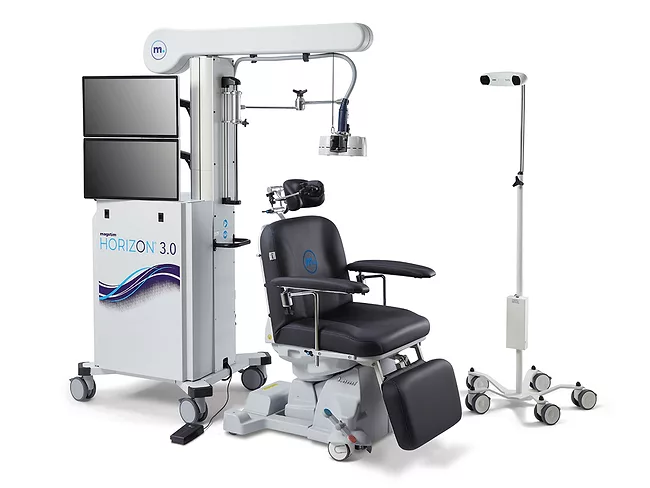
The FDA has granted Magstim Co. Ltd. 510(k) clearance for its transcranial magnetic stimulation (TMS) platform Horizon 3.0. TMS is a series of repetitive, focused magnetic pulses, used to stimulate brain cells. The noninvasive therapy has been touted as a cost-effective treatment for depression and is typically prescribed when antidepressants have failed, or the side effects are too disruptive to a patient’s lifestyle.
Regulatory snapshots, including global submissions and approvals, clinical trial approvals and other regulatory decisions and designations: Insightec, Lumos Diagnostics, Mim Software.
Med-tech happenings, including deals and partnerships, grants, preclinical data and other news in brief: Aditxt, Betternight, Clario, Cytek Biosciences, Exact Sciences, Heartflow, Innovia, Molex, Nanostring Technologies, Peerbridge Health, Phillips-Medize, Sleep Data Services.
The FDA convened a Nov. 2 advisory panel to review the data for the AFX2 by Endologix LLC, of Irvine, Calif., with some indication that the agency believes the data suggest a poor benefit-risk ratio when used in treatment of abdominal aortic aneurysms (AAAs). The panel concluded that the benefits of the device do outweigh the risks for some patients, although the applicable patient population is likely to be smaller than is currently seen in clinical practice.
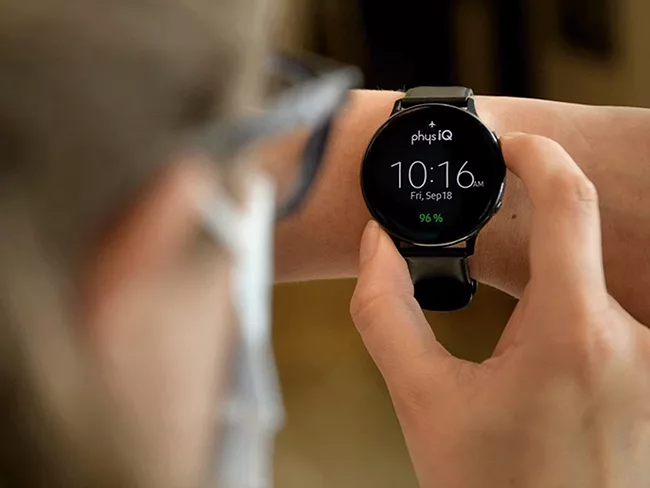
As a counterpoint to the raft of wellness-promoting smartwatches, Purdue University and Physiq Inc. have developed a smartwatch algorithm that flags illness. A year after launching their co-development program, the two organizations reported they have created an algorithm designed for smartwatches that enables detection of early signs of infection. The algorithm is already in use in a number of Physiq’s customers’ applications, Physiq Chief Scientific Officer Stephan Wegerich told BioWorld.
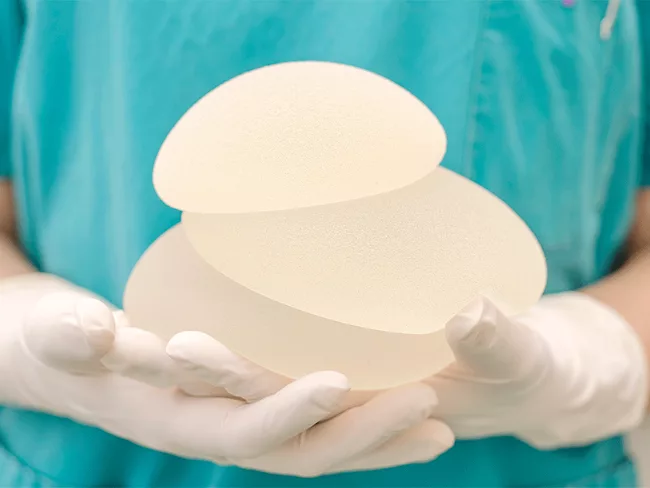
The U.K. Medicines and Healthcare products Regulatory Agency (MHRA) has issued an advisory regarding the risk of anaplastic large cell lymphoma (ALCL) in association with breast implants, but stopped short of recommending explant for asymptomatic patients.
Shanghai Microport Medbot (Group) Co. Ltd. started trading its shares on the Hong Kong Stock Exchange on Nov. 2, with shares increasing over 6% in the middle of the day. It raised HK$1.56 billion ($201 million) with shares going at HK$43.2 apiece in an initial public offering. The firm plans to use 35% of the proceeds for the development and commercialization of its core product, the laparoscopic surgical robot Toumai.
 RSS
RSS