Cancer Research UK took a significant hit when its U.K.-wide charity shop chain had to close last year because of the pandemic. But, according to latest figures, its commercial arm could help it to bounce back after seeing its income more than double in the recent biotech boom. The organization reported record levels of investment in its spinout companies, which more than doubled in 2020-2021 compared with the previous year, jumping from £400 million (US$555 million) to £822 million (US$1.14 billion)
Nanodx Inc. entered into a license agreement with IBM Research to use IBM’s nanoscale sensor technology and develop diagnostic platforms for rapid and cost-effective detection of various diseases, including COVID-19 and traumatic brain injury, among others. This marks IBM’s first collaboration to allow a medical device company to use its nanoscale technology.
Medicare coverage of telehealth services in the U.S. received a boost during the COVID-19 pandemic, a change that stakeholders have argued should be made permanent. The Centers for Medicare & Medicaid Services (CMS) has proposed to extend coverage of some of these services throughout calendar year 2023 in the draft Medicare physician fee schedule, but some stakeholders are urging Congress to act before the end of the year to make these benefits permanent.
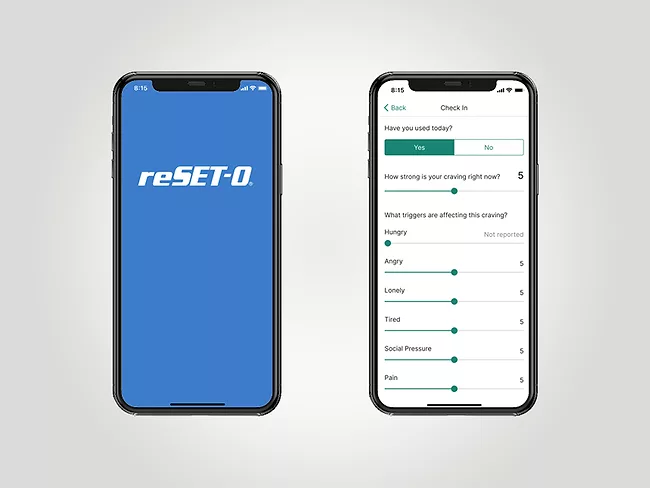
Pear Therapeutics Inc. released nine-month, real-world data showing long-term reduction in costly health care utilization categories, including inpatient stays and emergency department visits, in patients with opioid use disorder (OUD) who utilize its Reset-O prescription digital therapeutic. The findings suggest that Reset-O could help to stabilize patient outcomes long-term when used in conjunction with outpatient treatment.
The number of med-tech IPOs completed in the first half of 2021 is nearly as many as last year’s full year, and amounts raised through venture capital rounds in just six months are only about $100 million shy of record funds raised in all of 2020.
10x Genomics Inc. launched its latest platform for single-cell analysis, the Chromium X Series, to cost-effectively "enable massively large-scale experiments," according to the company. The system cuts the cost of single-cell analysis 83%, from 12 cents to 2 cents per cell, a significant step toward reducing the costs low enough to make genomic sequencing widely available.
Regulatory snapshots, including global submissions and approvals, clinical trial approvals and other regulatory decisions and designations: Coaptech, Tidal Medical.
Clinical updates, including trial initiations, enrollment status and data readouts and publications: Atheart Medical, Curebase, Exagen, Inbios, Intuitap Medical, Medical Microinstruments, Pear Therapeutics, Spinex, Vessi Medical.
 RSS
RSS