Regulatory snapshots, including global submissions and approvals, clinical trial approvals and other regulatory decisions and designations: Medtronic, Recovery Force.
Med-tech happenings, including deals and partnerships, grants, preclinical data and other news in brief: 7D Surgical, Biocorp Production, Cardiovascular Systems, Diabeloop, Genesis Medtech, Health Logic Interactive, Innotech Precision Medicine, Seaspine, Shockwave Medical, Wavepoint Medical.
Keeping you up to date on recent developments in cardiology, including: Translational medicine slow to change cardiovascular care; New study results boost case for BASILICA; Mitral repair still worthwhile despite issues with atrial fibrillation.
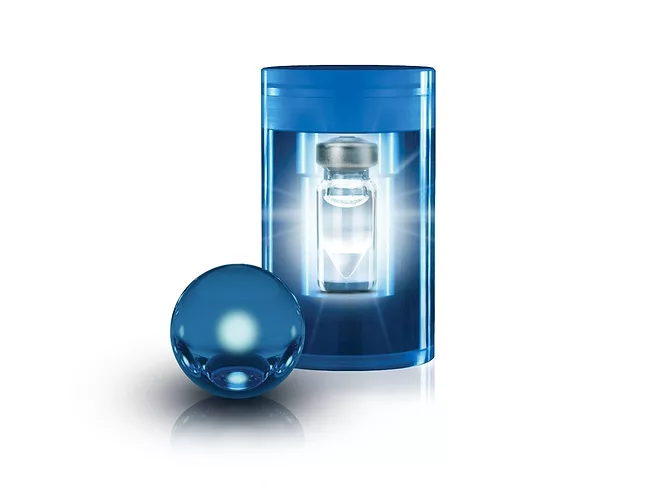
Boston Scientific Corp.'s Therasphere Y-90 glass microspheres received a PMA for treatment of patients with unresectable hepatocellular carcinoma (HCC). The radioembolization technique has been used in more than 70,000 patients under a humanitarian device exemption over the last 20 years. The U.K.'s NICE also recently recommended Therasphere for treatment of patients with HCC.
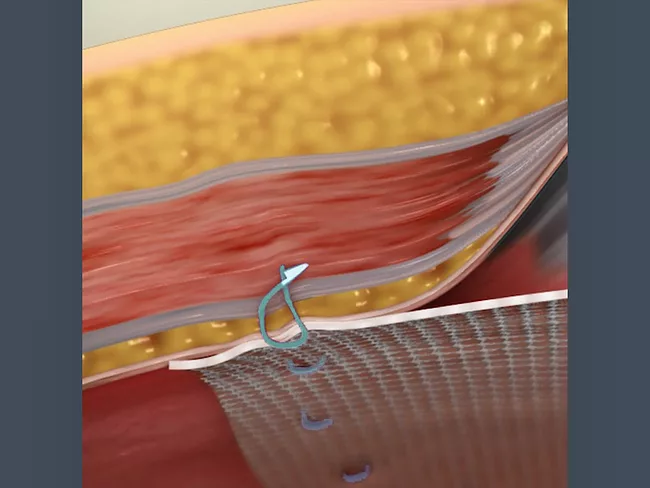
Via Surgical Ltd. has secured an investment from Taiwanese manufacturer Catcher Technology Co. Ltd. to bring its Fastouch deployable suture fixation system that assists hernia repair to Asia.
The COVID-19 pandemic has imposed a lot of drag on clinical trials for life science companies, but those companies have also broadened their horizons when it comes to financing their R&D efforts. Jeffrey Ellis and Dennis Howell, of Deloitte, told BioWorld that while these alternative sources of funding are attractive to drug and device makers with a lot of ongoing R&D projects, federal regulators are keeping a close eye on the associated financial reporting, creating a novel regulatory risk for the unwary drug or device maker.
Advanced Oncotherapy plc reported new findings demonstrating the potential ability and superiority of its next-generation proton therapy system, LIGHT, to treat resistant cancers. The findings build on research at the Mayo Clinic that highlighted the benefits of combining proton therapy (PT) with targeted small molecule damage repair inhibitors.

 RSS
RSS