Keeping you up to date on recent developments in neurology, including: AI reveals drugs that may be repurposed for Alzheimer’s disease; Treating Parkinson’s disease symptoms with brain cell grafts; Astrocytes are more inflammatory in bipolar disease; Pain on the brain.
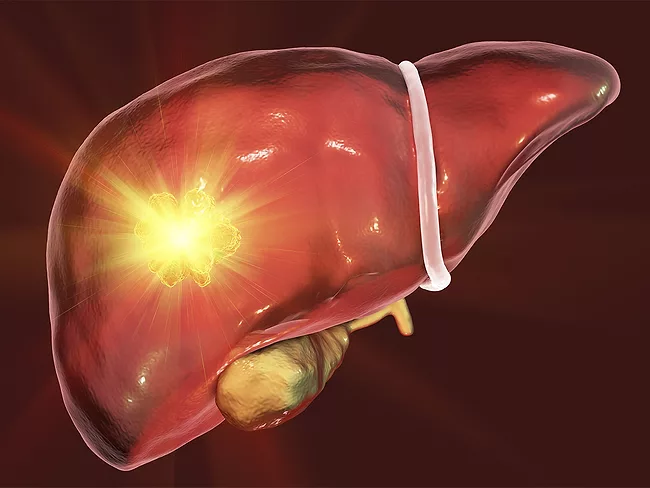
Histosonics Inc. is testing its investigational histotripsy technology to destroy liver tumors in two clinical trials in the U.S. and Europe, with the goal of seeking regulatory clearance for the platform in 2022. The technology uses the science of histotripsy, a form of therapeutic focused ultrasound, to mechanically destroy targeted primary and metastatic liver tumors from outside the body.
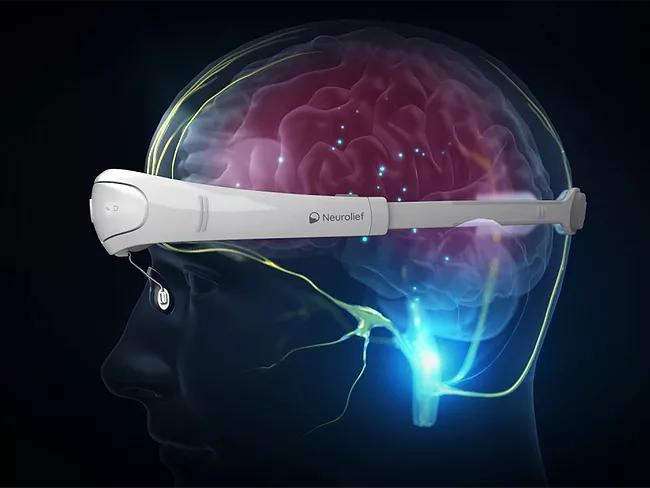
Neurolief Ltd. received FDA clearance for its Relivion system for home treatment of acute migraine. The noninvasive multichannel brain neuromodulation system, worn as a headset, stimulates the occipital and trigeminal nerves.
Corvista Health Inc. has raised $65 million in a series C equity financing led by Ambix Life Science Fund I LP. The new funds are earmarked for ongoing research, product development and commercialization of the company’s noninvasive, point-of-care (POC) solution for rapid detection of heart disease. Joining Ambix in the round were Medventure Partners and several new and existing investors. With this latest infusion, Corvista has raised a total of nearly $100 million.
A bad patient experience with telehealth can blunt adoption regardless of the incentives for developers and doctors. Griffin Mulcahey, chief compliance officer at Wheel Health Inc., of Austin, Texas, said during a recent webinar that users of these digital health apps and telemedicine programs may need assistance to get up to speed on an application, a critical effort that may make the difference between success and failure in telehealth.
HONG KONG – Researchers at Ben-Gurion University of the Negev (BGU) in Israel have developed a way to instantly monitor blood levels of the antipsychotic drug clozapine. BGU’s solution is based on an electrochemical microsensor developed by Hadar Ben-Yoav from BGU’s Department of Biomedical Engineering and Ilse Katz Institute for Nanoscale Science and Technology.

 RSS
RSS