Seeking to increase their understanding of the opportunities and challenges of using digital health technologies (DHTs) in drug trials, the U.S. FDA’s CBER and CDER are requesting public feedback to help inform new guidance as the technologies continue to advance.
Eli Lilly and Co. is deepening its investment in artificial intelligence-driven drug discovery through a multibillion-dollar expansion of its collaboration with Hong-Kong listed Insilico Medicine Inc. in a move that could broaden its reach into next-generation metabolic therapies. Under the deal terms, Insilico is eligible to receive $115 million up front, plus development, regulatory, and commercial milestone payments worth $2.75 billion, in addition to sales-based royalties. In exchange, Lilly gains exclusive global rights to develop and commercialize multiple candidates generated using Insilico’s AI platform, including preclinical oral therapies.
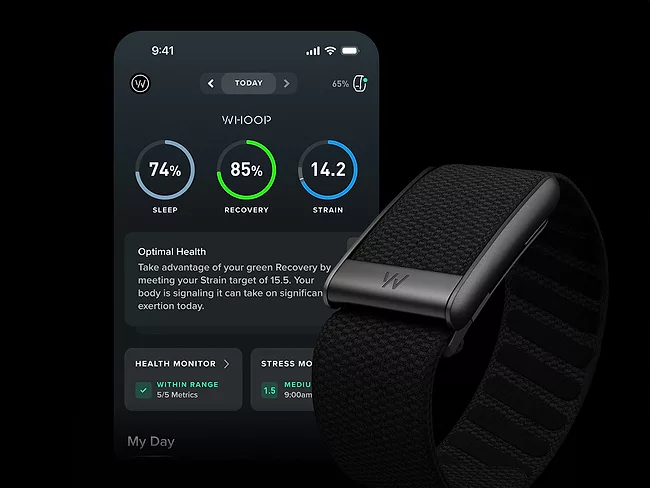
Whoop Inc. secured $575 million in a series G funding round at a $10.1 billion valuation to advance its AI-powered wearable platform for personalized and preventive health care. Abbott Laboratories joined the round as a strategic investor, backing the company’s push to expand access to its device amid growing demand.
What do a patent dispute over a CRISPR/Cas system, a rejected whistleblower case involving lab tests and a vaccine injury claim parading as multidistrict tort litigation have in common? All three were denied cert in the U.S. Supreme Court’s latest orders list.
Eli Lilly and Co. is deepening its investment in artificial intelligence-driven drug discovery through a multibillion-dollar expansion of its collaboration with Hong-Kong listed Insilico Medicine Inc. in a move that could broaden its reach into next-generation metabolic therapies.
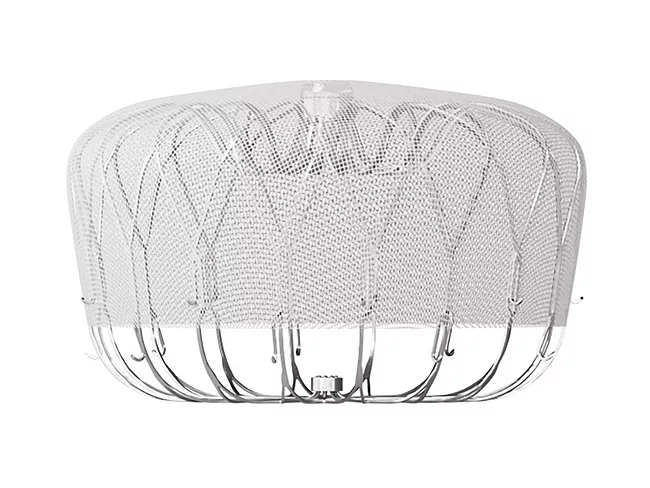
Boston Scientific Corp. revealed much-anticipated data from the Champion-AF trial which showed that its Watchman FLX device provides superior protection from bleeding compared to non-vitamin K antagonist oral anticoagulants (NOACs) in patients with atrial fibrillation (AF). The left atrial appendage closure device also proved noninferior to NOACs in reducing stroke, cardiovascular death, or systemic embolism.
United Therapeutics Corp. is eyeing a possible priority review in its anticipated supplemental NDA for Tyvaso (treprostinil) in idiopathic pulmonary fibrosis (IPF) after the second phase III trial hit its endpoints, even besting the impressive findings from the first phase III study reported last year, and positioning United for a substantial commercial launch in 2027.
With all the focus of late on the U.S. CDC’s Advisory Committee on Immunization Practices (ACIP), the FDA’s 30-plus advisory committees have been flying under the radar, especially since many of them haven’t met for a few years now.
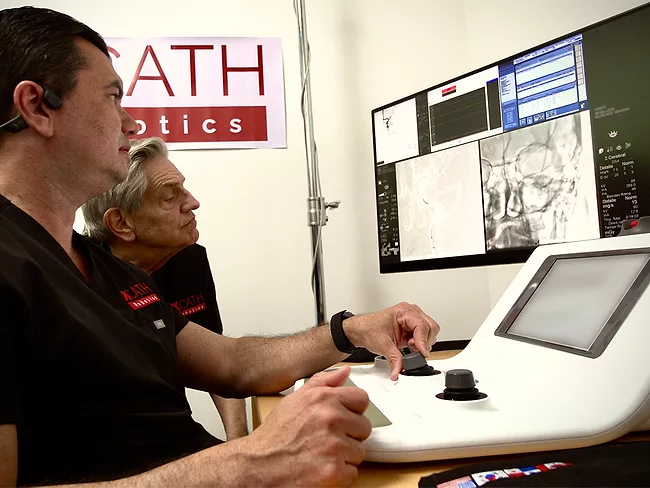
As robotic-assisted surgery platforms increasingly demonstrate that they can perform telesurgery safely, the question now is how soon remote operations will become part of routine clinical care. Eduardo Fonseca, CEO of Xcath Robotics Inc., reckons that within a decade the company’s Iris Surgical Robotic System could be in widespread use.
Medtronic plc has lowered its fiscal year 2026 earnings per share (EPS) guidance by 12 cents on the back of factors relating to its diabetes subsidiary, Minimed Group Inc., which recently completed its IPO.

 RSS
RSS