Physicians aren’t the only ones who see prior authorization (PA) practices as a significant problem, but John Brooks, deputy administrator at CMS, told a med tech audience that a renewed focus on Medicare Advantage plans’ use of PA will not yield tangible results overnight.
Following a complete response letter last year, Satsuma Pharmaceuticals Inc. received U.S. FDA approval of dihydroergotamine nasal powder to treat acute migraine with or without aura. Branded Atzumi, it is the first product that uses Satsuma’s SMART (Simple MucoAdhesive Release Technology) platform that combines an advanced powder and device technology aimed at making delivery more simple.
Michelle Tarver, director of the FDA’s Center for Devices and Radiological Health (CDRH), covered several programmatic areas in a May 1 trade association meeting, such as the CDRH early alert program.
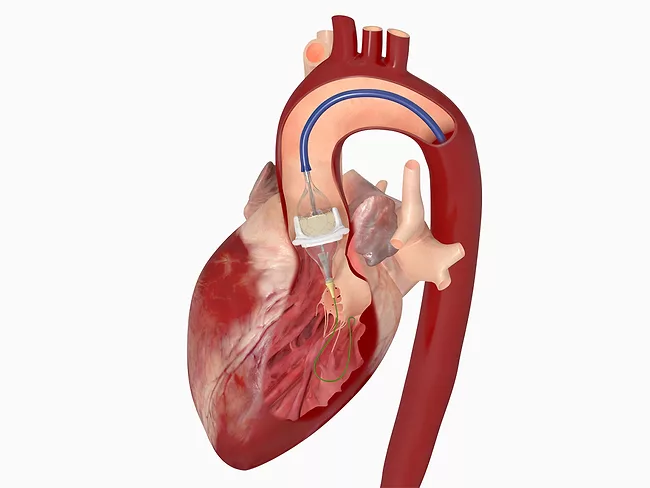
In a significant boost to the Edwards Lifesciences Corp. Sapien 3 platform’s market opportunity, the U.S. FDA approved use of the transcatheter aortic valve replacement in patients with asymptomatic aortic stenosis.
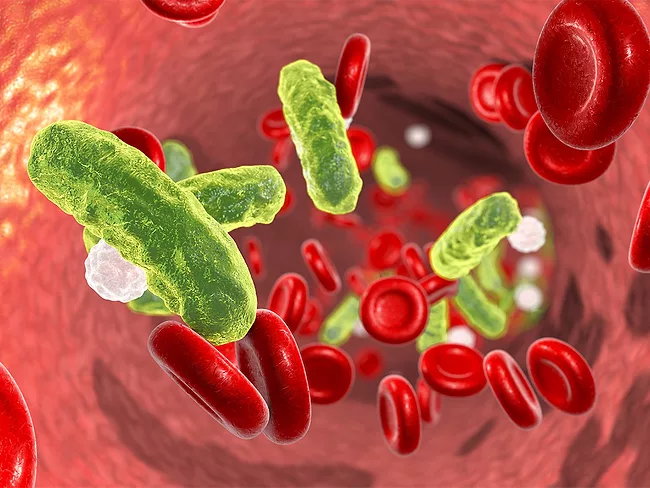
Deepull Diagnostics SL raised €50 million (US$56.93 million) in an oversubscribed series C financing round to complete clinical validation studies of its UllCORE diagnostic system for direct-from-blood rapid pathogen detection.
 RSS
RSS