Med-tech happenings, including deals and partnerships, grants, preclinical data and other news in brief: Chemeleon, Drummond, GE Healthcare, Innoblative, Nextech, Ocuco, Ondine, Prapela.
Regulatory snapshots, including global submissions and approvals, clinical trial approvals and other regulatory decisions and designations: BD, Cynosure, Dexcom, Intuitive.
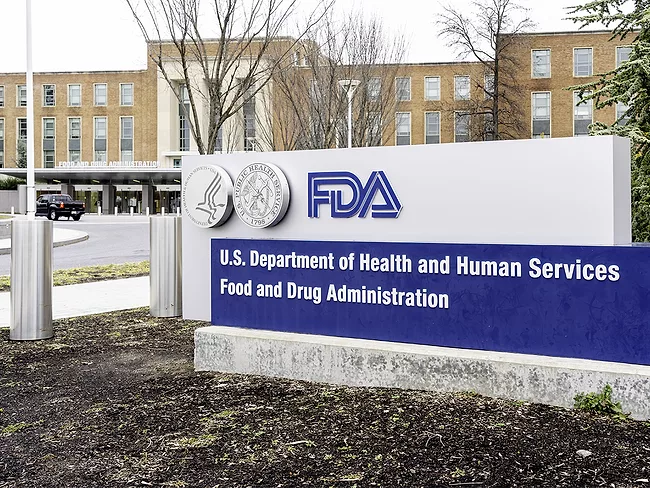
“We’ve lost 1,000 person-years of expertise in a few weeks,” former U.S. FDA Commissioner David Kessler said in an April 9 House Oversight and Government Reform hearing as he discussed the impact of the termination of 3,500 FDA employees the previous week, on top of the 1,000 who were let go or offered retirement in February.
Boston Scientific Corp.’s up to $664 million acquisition of Bolt Medical Inc. closed just days after Bolt secured U.S. FDA 520(k) clearance for its intravascular lithotripsy (IVL) system, positioning Boston Sci to challenge Johnson & Johnson’s Shockwave IVL system, which has been the only player in the market.
The U.S. FDA has cleared regenerative medicine company Orthocell Ltd.’s 510(k) for its nerve repair product, Remplir, paving the way to begin commercial operations in the $1.6 billion U.S. nerve repair market.
Medicud Srl received over €1.3 million (US$1.4 million) in seed funding to support clinical trials and secure regulatory approval of Dryum, its incisional negative pressure wound therapy system.
Some say it’s not what you say but how you say it, but the U.S. FDA’s Feb. 10, 2025, warning letter to Denver-based Exer Labs Inc., makes clear that a 510(k)-exempt device can’t be altered and promoted for claims that are disallowed under the regulation.
The EU’s Medical Devices Coordination Group (MDCG) issued another revision of its guidance for risk classification for in vitro diagnostics — the fourth such rewrite of a guidance that came out in 2020.

 RSS
RSS