Regulatory snapshots, including global submissions and approvals, clinical trial approvals and other regulatory decisions and designations: Acive Protective, Ceribell, Click Therapeutics, DESKi, Elixir, Terumo.
Researchers have developed a new compound that can prevent long COVID symptoms in mice that could lead to a future drug for the debilitating condition in humans. Developed by researchers at the Walter and Eliza Hall Institute of Medical Research (WEHI) in Melbourne, the world-first study found mice treated with the antiviral compound were protected from long-term brain and lung dysfunction, which are key symptoms of long COVID.
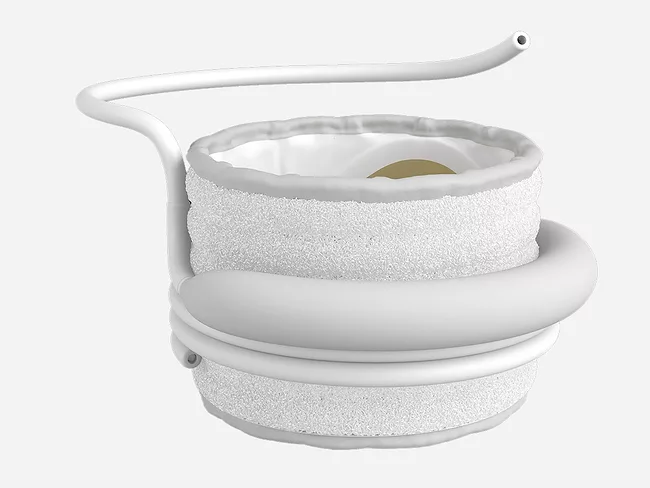
Edwards Lifesciences Corp.’s Sapien M3 secured CE mark for its Sapien M3 mitral valve replacement system for transfemoral treatment of patients with mitral valve disease who are ineligible for surgery or transcatheter edge-to-edge repair. Sapien M3 is indicated for individuals with symptomatic moderate-to-severe or severe mitral valve regurgitation.
The U.S. Medicare draft inpatient rule for fiscal 2026 discusses a number of coding proposals, although the agency seems disinclined to go along with a proposal to increase payment rates for TAVR devices by switching the procedures to a different diagnostic-related group.
The new technology add-on payment for the TAG thoracic branch endoprosthesis is likely coming to an end, but the device’s manufacturer, Gore Medical Inc., petitioned CMS to reassign the procedure to a new diagnostic-related group that would more accurately reflect the costs of the related procedure.
Med-tech happenings, including deals and partnerships, grants, preclinical data and other news in brief: Carmat, Elutia, Sequana Medical, Vicarious Surgical.

 RSS
RSS