Privacy legislation was passed and implemented in the European Union, but the picture in the U.S. is pockmarked by state legislation, a scenario that raises concerns about a fractured and impracticable compliance regime.
The $180 million Caresyntax GmbH recently raised in a series C extension round allows the company to accelerate the commercialization and adoption of its precision surgery platform, Bjorn von Siemens, CFO and CBO of Caresyntax told BioWorld.
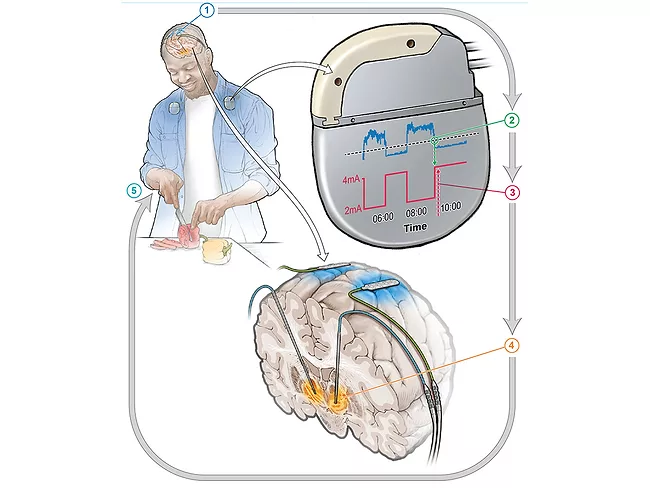
An implanted deep brain stimulator that calibrates its electrical pulses based on changes in brain activity reduced patients’ most bothersome symptoms of Parkinson’s disease 50%, a small feasibility study published in Nature Medicine found.
Edwards Lifesciences Corp. continued its recent acquisition streak with its buy of JC Medical Inc., a subsidiary of Genesis Medtech International. The sale included the intellectual property and commercial rights for the J-Valve system, a transcatheter aortic valve replacement for the treatment of severe aortic regurgitation.
Less than two months after the June spin-off of Grail Inc. (again), Illumina Inc. revealed a new strategy to cut costs and lift sales growth by focusing on the rapidly evolving multiomics space. Grail, meanwhile, unveiled its own plans to retool, going all in on multi-cancer early detection and cutting headcount 30%.
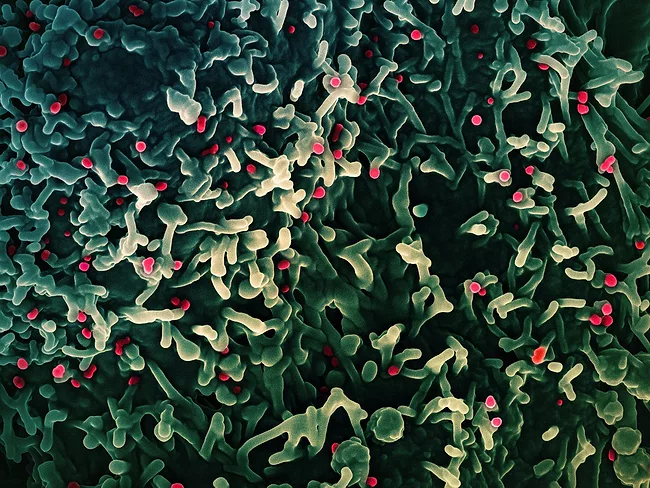
The World Health Organization has had its collective eye on mpox for some time now, but announced August 14 that the prevalence of the disease in Africa raises the epidemic to a public health emergency of international concern, a change in policy driven by the emergence of a novel strain of the pathogen.
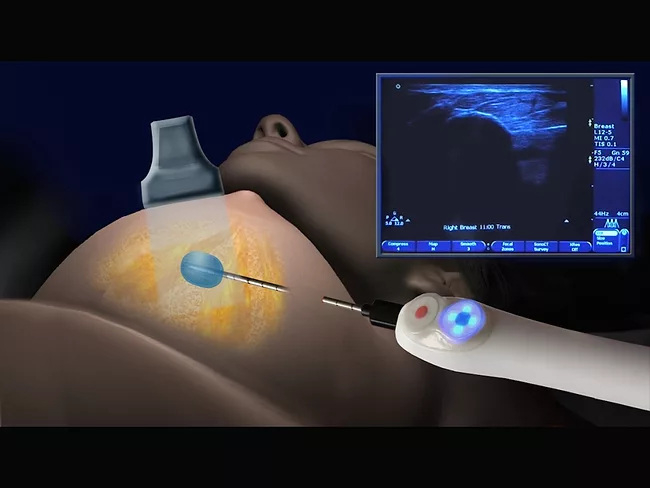
Icecure Medical Ltd.’s Prosense system demonstrated a 100% success rate in destroying breast cancer tumors that were less than or equal to 25 millimeters, according to a study published in the British Journal of Radiology.
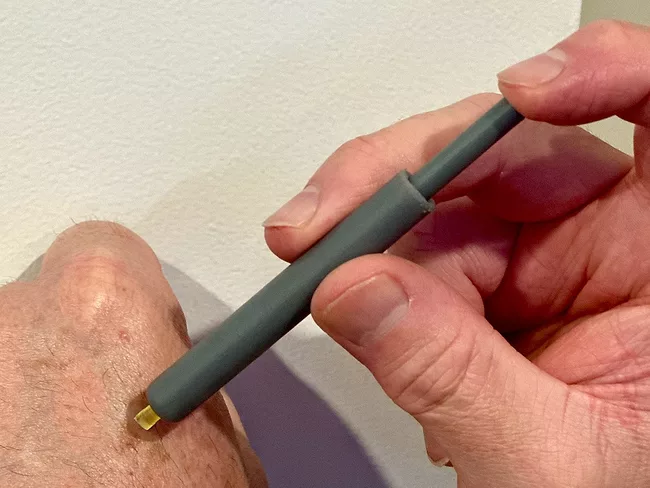
Skin biopsies could be a thing of the past thanks to the development of a new non-invasive microneedle patch to pre-screen for skin cancer. Dermr Health Solutions Pty Ltd. founder and CEO Stefan Mazy told BioWorld that the fledgling genomics startup company is pushing the boundaries of science with its Dermr patch that quickly and painlessly extracts live skin cells in 15 seconds, drastically cutting the time and discomfort associated with traditional biopsy procedures.
The first patenting from Hemeo BV describes its development of Vantage, an artificial intelligence powered clinical decision support software for coagulation management.

 RSS
RSS