When life-saving inhalers sell in Europe at 1.5% to about 8% of their list price in the U.S., they’re bound to attract scrutiny, especially in a time when inequities in prescription drug prices are fueling more and more legislation to reduce U.S. prices.
The U.S. FDA granted breakthrough device designation to CG Bio Co. Ltd.’s spine implantation device, Novosis putty, making it the first bone substitute material developed in South Korea to gain the agency’s priority support. Novosis putty, successor to CG Bio’s first generation Novosis Ortho, combines a bone-forming protein called recombinant human bone morphogenetic protein 2 (rhBMP-2; Nebotermin) with ceramic scaffolds to accelerate bone growth.
Regulatory snapshots, including global submissions and approvals, clinical trial approvals and other regulatory decisions and designations: Biosense, Medtronic, Robocath.
Med-tech happenings, including deals and partnerships, grants, preclinical data and other news in brief: Cook Biotech, Deepcell, Fresenius, Icardio.ai, Labcorp, Medtronic, Nowdiagnostics, Nvidia, Orchestra, Quest, RTI Surgical, Teal Health, Techcyte, Ultima Genomics, Ultralinq.
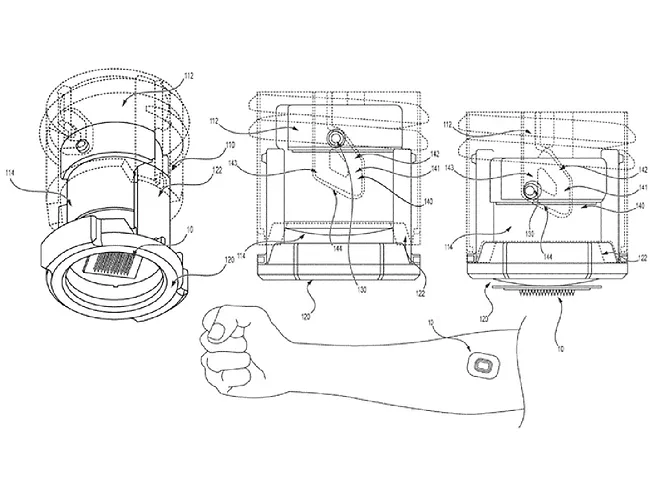
Vaxess Technologies Inc. seeks patent protection for devices that enable the reliable application of silk fibroin-based microneedle medicament patches used for delivering small molecule drugs, vaccines, peptides, biologics, antibodies, hormones or other materials into or through the skin.
The U.K. Medicines and Healthcare Products Regulatory Agency finalized its plans for an overhaul of its med-tech regulatory system in a comprehensive approach that captures both in vitro diagnostics and artificial intelligence.
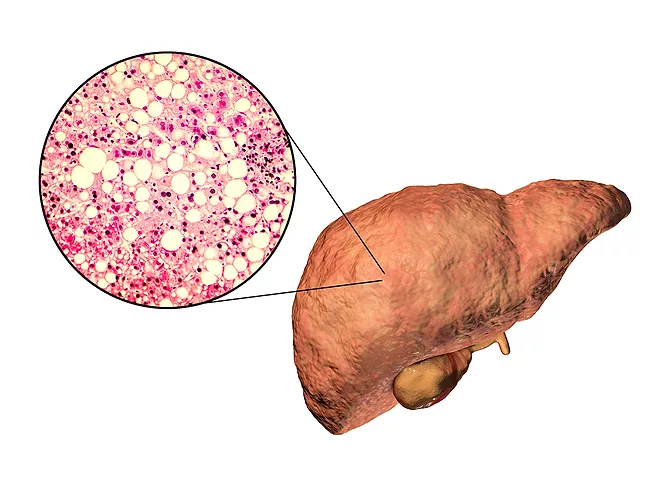
Boehringer Ingelheim GmbH partnered with Newcastle University and the University of Edinburgh to fund a £30 million (US$38 million) study into liver cirrhosis in a bid to provide scientists with new insights into liver health. The partners hope that the study will not only enhance the understanding of nonalcoholic or metabolic dysfunction-associated steatohepatitis (NASH/MASH) cirrhosis, but also help identify translational biomarkers using a cutting-edge approach called single-cell RNA sequencing to accelerate the development of future therapies.

 RSS
RSS