The digital transformation in health care is focused on prediction, prevention and precision health by harnessing accumulated patient data via artificial intelligence (AI) to turn an avalanche of data into patient-centered treatments, said speakers during July 2022’s BIO Asia-Taiwan conference in Taipei.
In vitro diagnostics company Gaugene Biotechnology Ltd. has secured more than ¥100 million (US$14.8 million) in a series B financing to develop new products and technologies, as well as expand to new markets. The financing was led by Fortune Venture Capital Co. Ltd., with participation by Tao Capital, Guangdong Hybribio Biotech Co. Ltd., Qiming Venture Partners, and others.
The difficulty in resolving multiple rounds of patent litigation can foster a willingness on the part of both parties to settle their differences and go on their respective ways, which seems to be the end result of litigation between San Diego-based Illumina Inc., and subsidiaries of BGI Group of Shenzen, China. While Illumina is on the hook for a $325 million payout in this agreement, the company will receive a license to practice some of BGI’s affiliate’s patents, but the handshake also forecloses any further litigation over the disputed patents for three years.
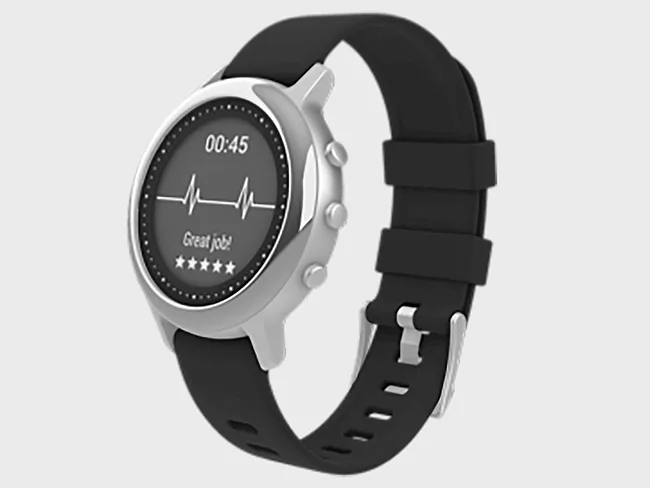
The U.S. FDA has cleared the first clinical grade watch for characterizing atrial fibrillation (afib), the most common type of heart arrhythmia in which the heart beats too slowly or irregularly. Developed by Verily, the health tech arm of Alphabet Inc., together with IRhythm Technologies Inc., the Zio Watch will leverage the ability of IRhythm’s Zeus system to diagnose cardiac arrhythmias by combining wearable biosensing with cloud-based data analytics and artificial intelligence.
Conmed Corp. is acquiring soft tissue augmentation company Biorez Inc. for $85 million and up to an additional $165 million in growth-based earnout payments over a four-year period. The New Haven, Conn.-based company develops Biobrace, a bioinductive implant which promotes soft tissue healing in tendon and ligament injuries. The implant is cleared for use by the U.S. FDA in two product sizes.
The U.S. FDA’s breakthrough devices program has engendered a tremendous amount of interest on the part of industry, but an Aug. 2 report by the law practice of Epstein Becker & Green P.C., suggests that the value of the program may be overblown. The report states that only 44 of the more than 600 devices that have been granted access to the program have successfully emerged – a number that was updated Aug. 3 by the FDA to 54 – which is still a rate that suggests that the breakthrough devices program might not be as helpful as billed.
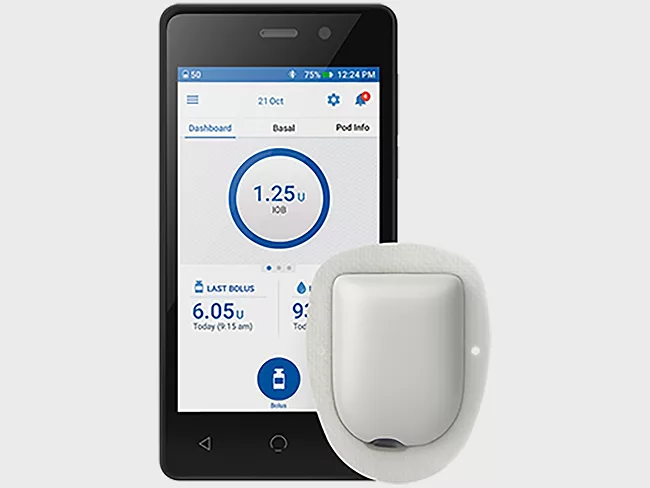
A rash of recent announcements in the diabetes market speak to the brisk pace of developments and keen competition in the field. Dexcom Inc. reported good news in the U.K. and Europe, offset by delays in the U.S., while Insulet Corp. gave investors assurance that it was moving full speed ahead in the release of its Omnipod artificial pancreas system. On the pharma side, Arecor Therapeutics plc signed a contingent agreement to acquire Tetris Pharma Ltd. and commercialize Ogluo in the U.K., E.U. and other countries.
The U.S. Centers for Medicare & Medicaid Services (CMS) has wrapped up its rulemaking for the next Medicare inpatient prospective payment system, and several companies managed to score important rate-setting wins for their devices. Microtransponder Inc., of Dallas, won a new technology add-on payment (NTAP) for its Vivistim device for treatment of stroke, as did W.L. Gore & Associates Inc. for its TAG thoracic branch endoprosthesis (TBE), just two among several winner in the Medicare inpatient final rule for fiscal 2023.
Perkinelmer Inc. agreed to divest three businesses in a sale to private equity firm New Mountain Capital for $2.45 billion in cash to create a “pure-play, high growth, high margin life sciences and diagnostics company with unique scale,” said Perkinelmer president and CEO Prahlad Singh.

 RSS
RSS