U.S. FDA warning letters to device makers seemed to be on pause for a couple of years, but the agency is picking up the pace with two warnings posted July 18. Outset Medical Inc., of San Jose, Calif., was previously known to be the recipient of a warning letter, but Edge Biologicals Inc. of Memphis, Tenn., took in a warning letter that is replete with repeat violations disclosed in 2015 and 2018, as well as a warning letter issued 11 years ago.
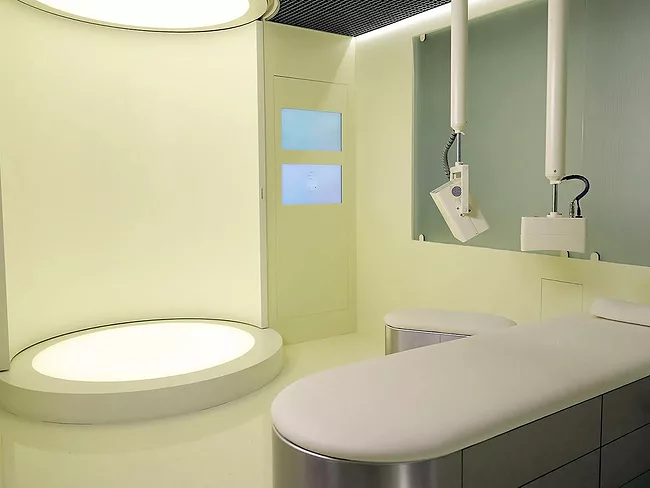
Neko Health AB reported it has secured $67 million in investment capital to develop its artificial intelligence (AI)-driven full body scanner beyond its home country, Sweden. This series A round was led by Berlin-based Lakestar Advisors GmbH, with participation from Atomico (UK) Partners LLP from London and General Catalyst Group Management LLC from Cambridge, Mass. “Our new concept in body digitization technology, capable of rapidly collecting large amounts of health data, will enable us to identify illness at an early stage and take preventive action,” Hjalmar Nilsonne, CEO and co-founder of Neko Health told BioWorld.
Neura Robotics GmbH closed a $55 million funding round that will allow the company to expand its operation into the U.S. and Japan and increase its production infrastructure in Germany amid growing demand. The company, which builds cognitive robots, has an order book which exceeds $450 million.
T2 Biosystems Inc. received a third FDA breakthrough device designation with its direct-from-blood molecular diagnostic test for Candida auris. The test joins its T2resistance panel and T2Lyme panel in gaining the breakthrough recognition and the increased access to the FDA that comes with it as the company seeks final approval or clearance. The C. auris test enables identification of the challenging pathogen in three to five hours instead of the several days often required to grow a culture traditionally.
Med-tech happenings, including deals and partnerships, grants, preclinical data and other news in brief: Genedx, Inspira, Monogram Orthopaedics, Perfusion Solution.
Researchers at Harvard Medical School have developed a new tool that promises to improve the way pathologists see and evaluate a tumor, by providing detailed clues about the cancer.

 RSS
RSS