The Fiscal Responsibility Act (FRA) has been signed into law by U.S. President Joseph Biden, heralding a five-year span in which increases in discretionary budget spending will be limited to 1% after a flat funding picture in the coming fiscal year. While the news might seem to portend a flat budget picture for agencies such as the FDA and the National Institutes of Health, a new analysis by the Alliance for a Stronger FDA indicates that congressional intent might at least slightly overcome the limits imposed by the FRA.
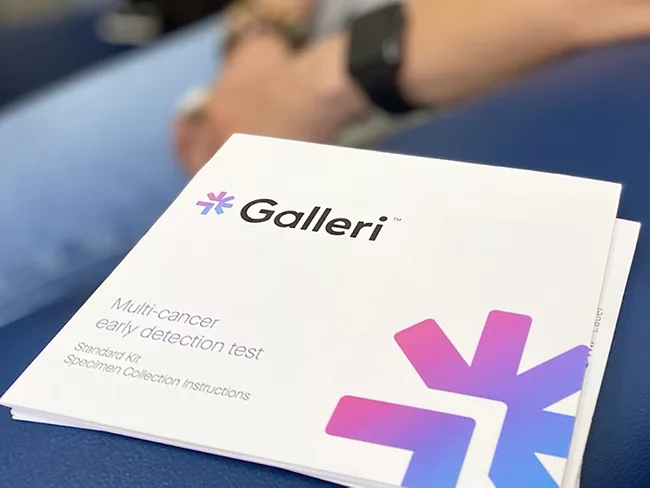
The 2023 American Society for Clinical Oncology Annual Meeting featured several notable developments on the diagnostics side, including significant advances in multi-cancer early detection (MCED). Grail Inc. presented its results from SYMPLIFY, the first major study of its MCED test in symptomatic patients. The test showed a negative predictive value of more than 97% and a positive predictive value that exceeded 75% in individuals who presented to primary care with non-specific symptoms that prompted a referral for cancer evaluation.
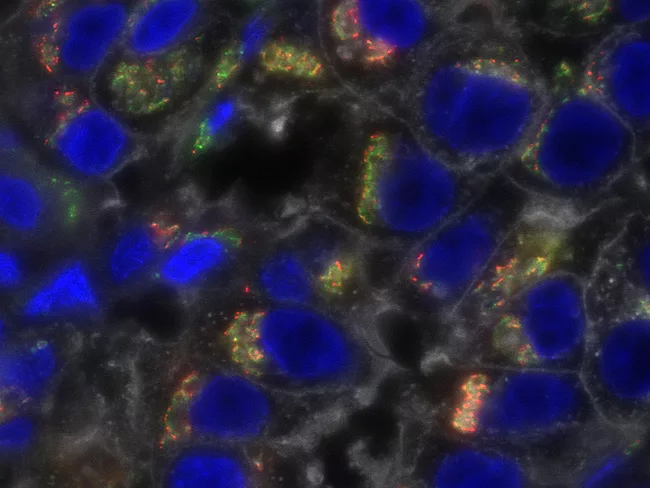
A study of more than a thousand tumor samples, led by the Weizmann Institute of Science in Israel, gives valuable insight into the different gene expression patterns seen in different cancers. The new findings could help address challenges associated with targeting many types of tumors, which are hard to treat in large part due to the variable nature of their cells and gene expression patterns, by helping to create better targeted therapeutics.
Free, no-prescription-required access to naloxone has reduced deaths from opioid overdoses by 11% in some communities, but they only work if someone with the reversal agent is available when a person overdoses. Resilient Lifescience Inc. hopes to save those lives, too. The company is developing a wearable patch that monitors vital signs and automatically administers naloxone when needed. In this edition of the BioWorld Insider podcast, Brad Holden, CEO of Resilient Lifescience, explained how the device works for overdoses as well as other potential applications for the new technology.
Med-tech happenings, including deals and partnerships, grants, preclinical data and other news in brief: Complete Genomics, Invivoscribe, Microbot, Microwave Amps, Orthonika, Scandinova, Senseonics, Sophia Genetics, Treace Medical Concepts.
Med-tech companies raised $8.65 billion in the first five months of the year, a decrease of 34.9% from the $13.29 billion raised in the same time frame last year. The number of deals is down 33.04% from last year, from 230 to 154.

 RSS
RSS