In a blow to Aussie regenerative medicine company Regeneus Ltd., Japan’s Kyocera Corp. has pulled out of a licensing deal for Regeneus’ lead mesenchymal stem cell (MSC) therapy, Progenza, for osteoarthritis of the knee for the Japan market.
Certa Therapeutics Pty Ltd. is progressing antifibrotic agent FT-011 to phase III trials following positive results in a phase II trial that showed clinically meaningful improvements for more than 60% of patients with scleroderma in 12 weeks. FT-011 targets a previously undrugged G protein-coupled receptor, and these early efficacy outcomes in scleroderma suggest potential for FT-011 to treat other indications in Certa’s pipeline, including diabetic retinopathy and other forms of chronic kidney disease.
The Australian government has begun its closely watched independent review of the health technology assessment (HTA) process in the country, and it delivered a first peek at what it will consider. This independent review of the HTA system is the first of its kind in nearly 30 years.
Following Therapeutic Goods Administration approval of its first-generation donor-derived microbiome-based therapy, Biomictra, for recurrent Clostridioides difficile infection, Australia’s Biomebank is scaling up to meet increasing global demand for fecal microbiota products and is developing a more scalable second-generation synthetic product.
The Australian government delivered an early Christmas present to the biopharma industry in the form of a new National Medicines Policy giving voice to major industry goals – among them a clear vision to “achieve the world’s best health, social and economic outcomes for all Australians through a highly supportive medicines policy environment.”
Investment in the fourth quarter of 2022 was dismal in Asia Pacific, as the global venture community focused on preserving capital. And the region faced other challenges throughout the year, as leaders in Australia and across Asia became acutely aware of the vulnerabilities in their supply chains. But the year also saw some big deals and collaborations involving companies across Asia Pacific, along with advances in regenerative and digital medicine.
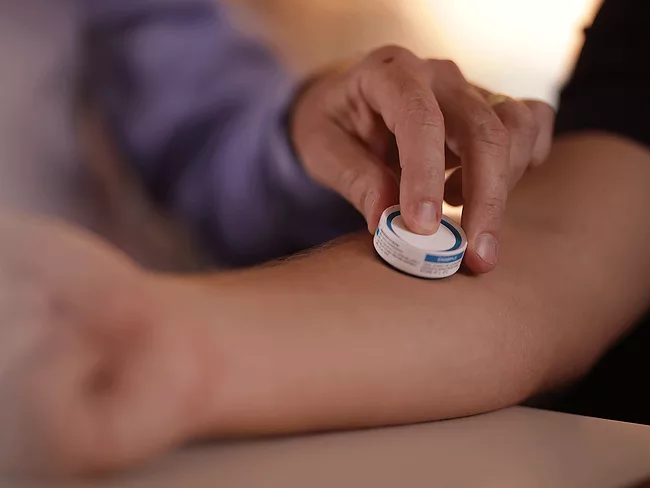
Vaxxas Pty. Ltd. raised AU$34 million (US$23 million) to advance its needle-free COVID-19 vaccine program, which began in early November, and readouts from the study are expected in late February or early March, Vaxxas CEO David Hoey told BioWorld. The COVID-19 vaccine patch is based on the company’s high-density microarray patch technology that delivers Hexapro, a second-generation version of the spike protein used in all major U.S.-approved COVID-19 vaccines.
Global interest in radiopharmaceuticals is growing, and some big deals in the space have sparked interest in the last few years. Novartis AG has spent about $6 billion in acquisitions and is seen as the global leader.
Immutep Ltd.’s lead immunotherapy candidate eftilagimod (IMP-321, efti) met the primary endpoint in its phase II trial evaluating the combination of efti and Merck & Co. Inc.’s Keytruda (pembrolizumab) as first-line treatment of non-small-cell lung cancer (NSCLC), reporting final data that show an overall response rate of 40.4%.
Que Oncology Inc.’s Q-122 significantly reduced the frequency and severity of moderate and severe vasomotor symptoms, or hot flashes, in women taking endocrine therapy for breast cancer, and phase II results showed associated improvement in quality of life, compared with placebo.
 RSS
RSS