Melbourne-based Occurx Pty Ltd. announced a AU$16 million (US$11 million) series B round that will progress lead candidate OCX-063 to phase II trials in chronic kidney disease. The capital raise was jointly led by Brandon Biocatalyst and Uniseed and includes a AU$1.5 million grant from Australian biomedical incubator Cureator.
The University of Sydney is investing AU$478 million (US$326.5 million) to build a leading biomedical precinct to fast-track research and shorten the time between discovery and development of transformative therapies.
After raising AU$2.2 million in its series A round, University of Western Australia spinout Lixa Pty Ltd. has emerged from stealth mode and is gearing up for clinical trials of its anti-biofilm platform technology that could preserve antibiotics in the fight against antimicrobial resistance.
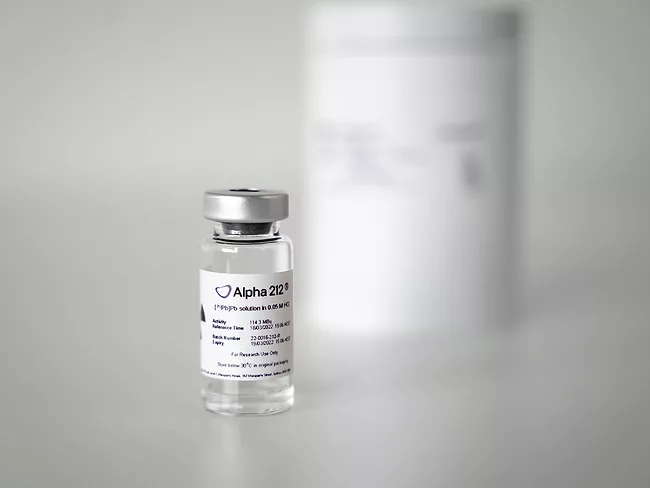
Australian radiopharmaceutical company Advancell Co. Ltd. closed an AU$18 million (US$12.4 million) series B round that will take its lead targeted alpha-emitting radiotherapy, ADVC-001, for metastatic prostate cancer to the clinic by the end of 2022.
Western Australia’s private investment group Tattarang has launched a new AU$250 million (US$173.6 million) investment fund called Tenmile that will invest in early stage Australian biotech and med-tech companies. One of Australia’s largest private investment groups, Tattarang is owned by the Forrest family and has five business divisions made up of real estate, agriculture, energy, mining and hospitality.
Paradigm Biopharmaceuticals Ltd. announced a AU$66 million (US$46.39 million) capital raise to fund its phase III pivotal trial for injectable Zilosul (pentosan polysulfate) to treat osteoarthritis of the knee.
Australia’s Therapeutic Goods Administration (TGA) should better align its definitions and classifications for gene, cell and tissue frameworks with international regulators, stakeholders said.
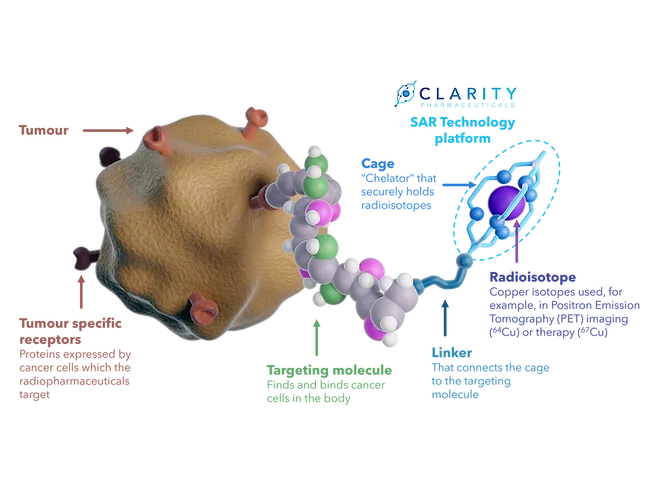
Clarity Pharmaceuticals Ltd. is progressing three of its targeted copper theranostics through the clinic that are based on its sarcophagine technology that securely holds copper isotopes inside a cage-like structure, called a chelator. The SAR technology allows a unique pairing of copper isotopes, copper-64 and copper-67, for both cancer diagnosis and therapy.
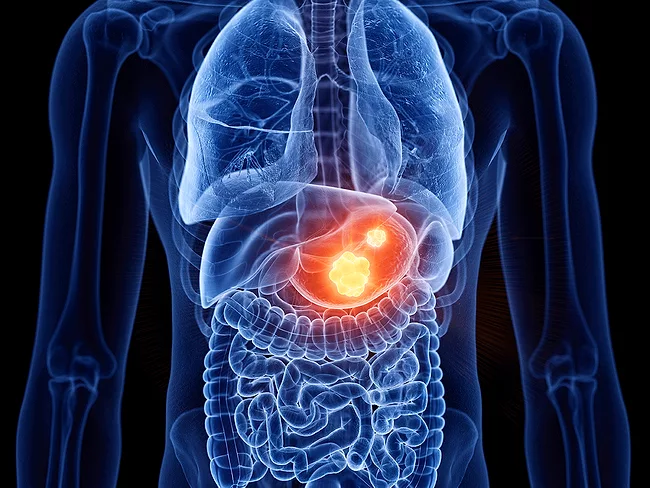
Immuno-oncology company Imugene Ltd. reported median overall survival for patients receiving HER-Vaxx plus chemotherapy was 13.9 months compared to 8.3 months in patients treated with chemotherapy alone in its phase II study in HER2/neu overexpressing advanced gastric cancer.
 RSS
RSS