Clinical updates from Asia, including trial initiations, enrollment status and data readouts and publications: Bioarctic AB, Immunlabs, Imugene, Recce, Remegen, Takeda.
Shionogi & Co. Ltd., of Osaka, Japan, gained standard approval from Japan’s Ministry of Health, Labour and Welfare for Xocova (ensitrelvir fumaric acid) on March 5, making it the first COVID-19 antiviral to win full approval in the country.
Sosei Group Corp. is getting €25 million (US$27.3 million) up front in a global collaboration and option-to-license deal with Boehringer Ingelheim GmbH aimed at developing GPR52 agonists, a new target for schizophrenia designed to potentially address positive, negative and cognitive symptoms at the same time.
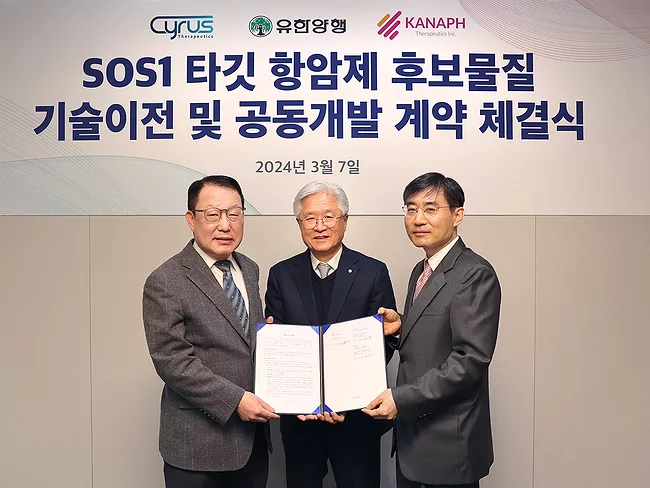
Yuhan Corp., of Seoul, South Korea, added a new potential cancer drug to its oncology pipeline, licensing a son of sevenless homolog 1 (SOS1) inhibitor co-developed by Cyrus Therapeutics Inc. and Kanaph Therapeutics Inc. for ₩208 billion (US$156.3 million).
After spending 20 years at Novartis, Radiopharm Theranostics Ltd. CEO Riccardo Canevari told BioWorld that when he joined Radiopharm he wanted to focus on something different within radiopharmaceuticals where no one was playing. “I believe these new modalities are at the beginning of their potential, much like in the immuno-oncology space years ago. That’s a nice place to be,” he said, but it’s not only about competition, it’s also about understanding what other companies are doing and if there is a disease area or a mechanism of action that is not being explored, he said.
Seven years since the first approval of two chimeric antigen receptor T-cell therapies for hematological cancers, U.S. and Singapore-based Immunoscape Pte Ltd. is looking to develop novel T-cell receptor (TCR) therapeutics for solid tumors.
South Korean biopharmaceutical company Celltrion Inc. submitted a BLA to the U.S. FDA on March 10 to gain approval for its Xolair (omalizumab; Novartis AG) biosimilar, CT-P39, across major indications of asthma, food allergy and chronic spontaneous urticaria.
Superhuman soldiers. Designer babies. Genetically tailored weapons. Mind-control. A foreign database containing the DNA of every person on the planet. The list reads like the plot of a science fiction horror story, but there’s no fiction involved.
As geopolitical tensions mount, bipartisan legislation introduced in both the U.S. Senate and the House is calling to prohibit government contracts with certain Chinese biotechs such as BGI (formerly known as Beijing Genomic Institute) and Wuxi Apptec, because they are increasingly seen as national security threats.

 RSS
RSS