In October, the biopharma industry secured $11.6 billion in financings, marking the highest monthly amount since June 2021 when value totaled $12.3 billion. Biopharma financings have averaged $6.1 billion per month so far in 2023, an increase from the $5.07 billion monthly average for all of 2022.
Otsuka Pharmaceutical Co. Ltd.’s sibeprenlimab (VIS-649) met the primary efficacy endpoint in a phase II trial for treating immunoglobulin A nephropathy (IgAN), demonstrating that 12 months of treatment resulted in significant reductions in proteinuria compared to placebo.
Hitching onto the emerging drug class of degrader-antibody conjugates (DAC), U.S. pharma giant Bristol Myers Squibb Co. (BMS) is picking up rights to the U.S. and Korean biotech Orum Therapeutics Inc.’s blood cancer candidate, ORM-6151, in a potential $180 million deal.
Clinical updates from Asia, including trial initiations, enrollment status and data readouts and publications: Astrazeneca, Biogen, Biosyngen Bridge, Calliditas, F2G, Genexine, Henlius, Highfield, Iksuda, Innocare, OLife Molecular, tsuka, Recce, Samsung Bioepis, SN Bioscience, Sumitomo.
Biopharma happenings in Asia-Pacific, such as deals and partnerships, grants, preclinical data and other news in brief: 3SBio, Affamed, Apnimed, Basilea, Cstone, Genentech, Intron, Roche Holding, Shenyang, Shionogi, Sosei.
Drawn to the potential for improved selectivity and safety profiles of PARP-1-specific inhibitors over their first-generation counterparts, Merck KGaA signed an exclusive, worldwide license deal with Jiangsu Hengrui Pharmaceuticals Co. Ltd. worth up to €1.4 billion (US$1.5 billion) to gain access to the latter’s next-generation poly (ADP-ribose) polymerase (PARP)-1 inhibitor, HRS-1167.
Patients living with aggressive nasopharyngeal carcinoma (NPC) now have a new treatment option with the U.S. FDA approval of Junshi Biosciences Co. Ltd./Coherus Biosciences Inc.’s PD-1 inhibitor antibody Loqtorzi (toripalimab), which will likely become the new standard of care for NPC.
Singapore’s Health Science Authority is rolling out new drug substance evidence requirements following consultations with stakeholders, and drugmakers will have one year to comply with the new regulations.
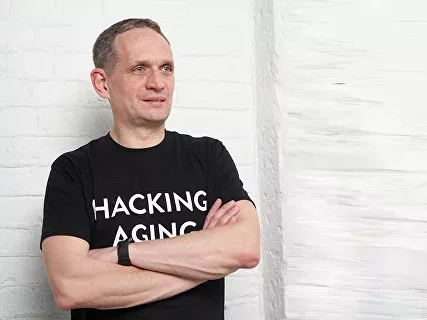
“Aging is not only slow, but it is irreversible, and that is what most people have been suspecting,” Gero Pte Ltd.’s CEO Peter Fedichev recently told BioWorld. “[But] aging is not an inevitable part of human existence.” By setting limits to what science can do – and not do – for aging, the Palo Alto, Calif.- and Singapore-based generative artificial intelligence (AI) biotech Gero is trying to figure out and, at the same time help the industry, “see what is actionable, reversible and what may not be” to help people avoid “hitting their heads against the wall” when tackling aging and aging-related diseases.
Peel Therapeutics believes evolutionary biology holds the key to developing new therapeutics for cancer and inflammation, a relatively unique approach in the world of biotech, but one that is bearing fruit: Its lead molecule is derived from camptothecin, a compound originating from the Chinese Happy Tree that is thought to have evolved as a plant defense mechanism, and it has progressed to a phase I dose escalation study in patients with advanced solid tumors.

 RSS
RSS