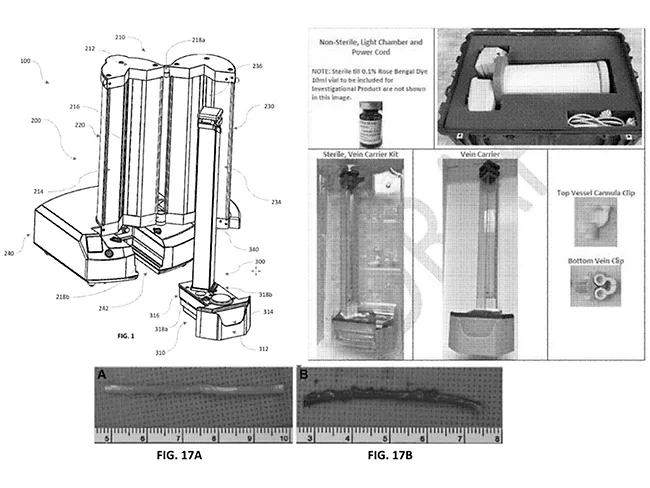
In what represents the first patenting to emerge in the name of Durvena Inc., co-founder and CEO John Ashley describes the development of a treatment for vein grafts that strengthens the graft and reduces the occurrence of intimal hyperplasia that commonly leads to graft failure.
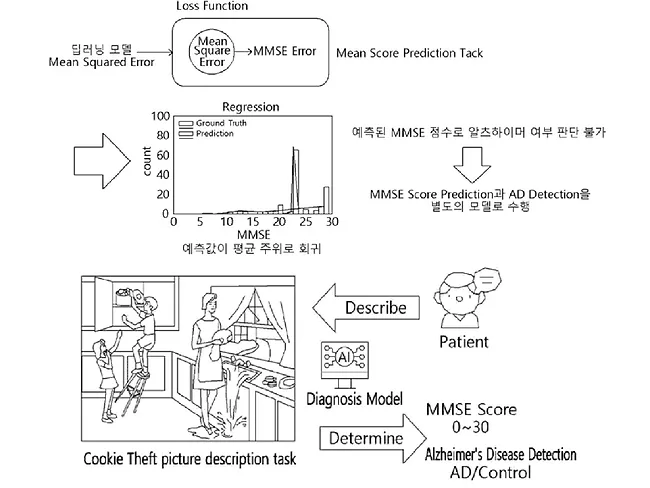
Seoul, South Korea-based Voinosis Co. Ltd. filed for potential worldwide protection of its AI-based system that allows for the early detection cognitive impairment, dementia, Alzheimer’s disease and hearing loss through voice analysis.
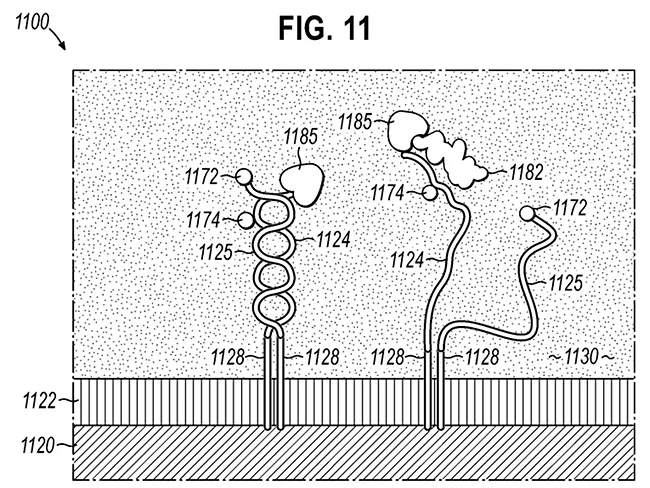
Researchers from the University of Cincinnati filed for protection of an electrochemical aptamer-based biosensor technology with improved sensitivity and longevity, which has the potential for monitoring several biomarkers over sustained periods.
Researchers from George Washington University filed for protection of a system and method that leverages generative models, specifically Variational Autoencoders, to conduct functional connectivity analysis from functional magnetic resonance imaging scans.
The first patent from Palo Alto, Calif.-headquartered Updoc Inc. provides protection for their development of an artificially intelligent, voice-based method for prescribing, managing and administering at least one medication for management of type 2 diabetes to a patient.
Researchers from the Albert Einstein College of Medicine filed for protection of the development of a lateral geniculate nucleus (LGN) visual prosthetic device with implantable electrode arrays that stimulate the LGN and restore vision.
Researchers from The Ohio State University have filed for protection of Neurothread, a wire-type neurotransmitter-sensing platform that utilizes the cross-section of commercially available ultrathin microwires as microelectrodes.
Professor Alexander Star and researchers from the University of Pittsburgh have filed for protection of their development of a rapid, affordable, and reliable tuberculosis diagnostic tool.
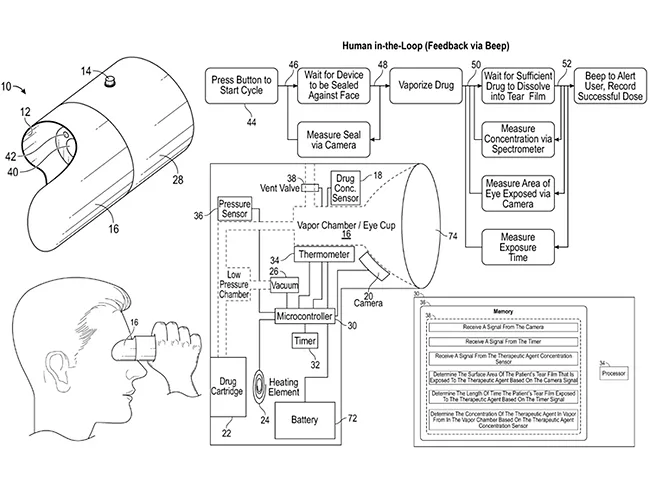
A recent patent filing from Verily Life Sciences LLC seeks protection for the development of an ophthalmic drug delivery device with sensors and a camera which allow the delivery of a specific or controlled dose of a therapeutic agent in vapor form to a patient’s eye.
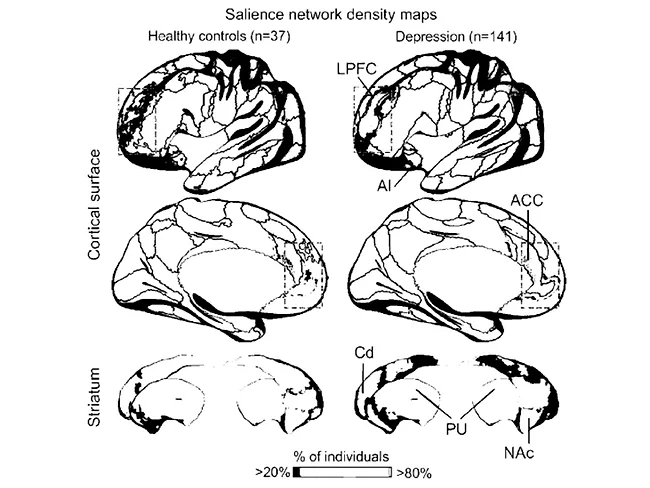
Researchers from Weill Cornell University filed for protection of discoveries made from investigations into the mechanisms underlying depression, which revealed that a specific brain network is significantly larger in individuals affected by depression.