A little over two months after the granting of its very first patent which described computer-based systems for diagnosing psoriasis, Belletorus Corp. welcomed the publication of two continuation-in-part child filings on similar such systems for the diagnosis of eczema and determining the severity of skin diseases such as psoriasis, eczema and skin cancer.
Researchers affiliated with the U.K.’s University Hospitals Birmingham NHS Foundation Trust filed for protection of a device for treating simple or complex anal or rectovaginal fistulas which is less invasive and more effective than existing treatments. The device combines a bioresorbable scaffold to heal the fistula and a thin comfortable seton to achieve drainage.
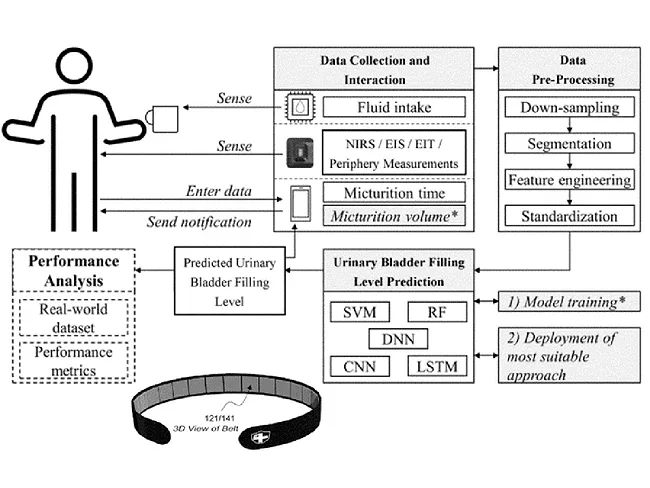
In what represents the first PCT filing to be published in the name of Bayreuth, Germany-headquartered Incontalert GmbH, the company’s co-founders seek protection for a wearable device which employs machine learning techniques to non-invasively predict the bladder filling level for incontinence patients.
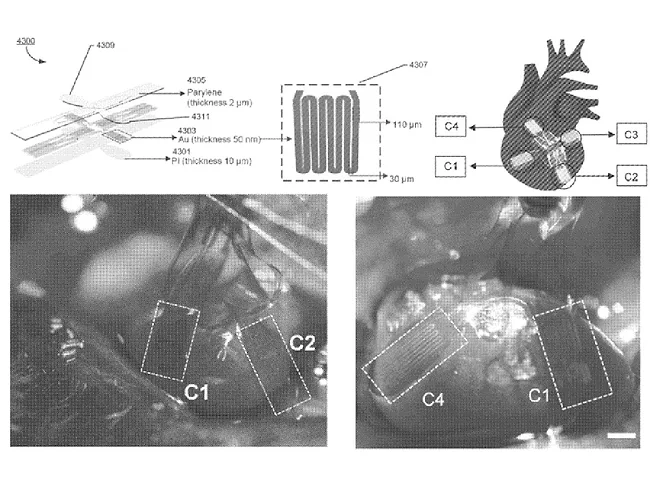
Wubin Bai, assistant professor of applied physical sciences at UNC-Chapel Hill, is seeking protection for morphable 3D-folded microelectronic mesostructures, including epicardial bioelectronic probes, made using concepts borrowed from origami.
A pair of co-published filings from Naples, Fla.-based Aerwave Medical Inc. describe apparatus and ultrasound-based methods for bronchial denervation, ablating smooth muscle or goblet cells, and emphysematous tissue remodeling in the treatment of respiratory conditions such as asthma and chronic obstructive pulmonary disease.
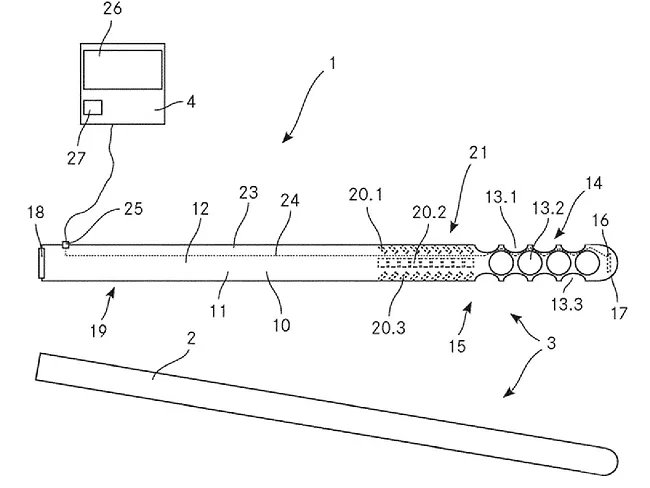
In what represents its first patenting, Rhovica Neuroimaging AG seeks protection for an external ventricular drainage catheter for the drainage of cerebrospinal fluid to reduce intracranial pressure. The catheter is integrated with sensors which enable safe, fast and cost-efficient catheter placement and monitoring of brain ventricles.
The latest patent filing from Cranius LLC describes a reservoir for its implanted drug delivery devices which is shaped and formed to empty and fill reliably without any concern for neighboring organ impingement or compression, and which can precisely control and monitor exactly just how much of a medicine is being delivered.
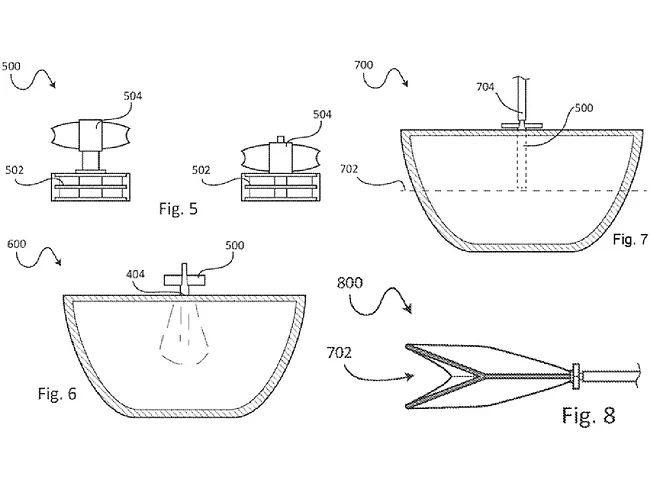
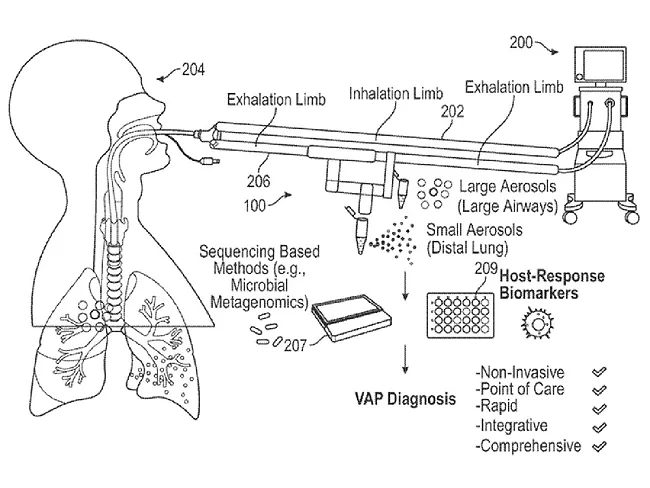
Researchers from the University of Pittsburgh have developed a device designed to collect exhaled respiratory aerosols from mechanically ventilated patients. Their device is designed to be non-invasive, highly efficient and can be readily placed in the exhalation line of ventilators without interfering in the functions of the ventilator.
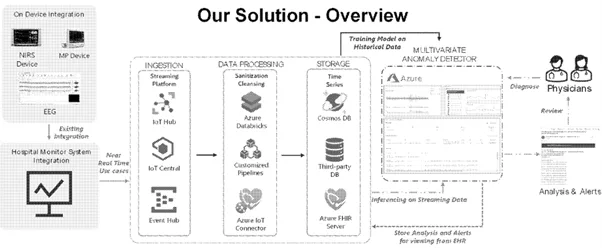
In what represents its first patenting, PBSF Inc. filed for protection of brain monitoring and neuroprotection strategies for infants at high risk on a large scale.
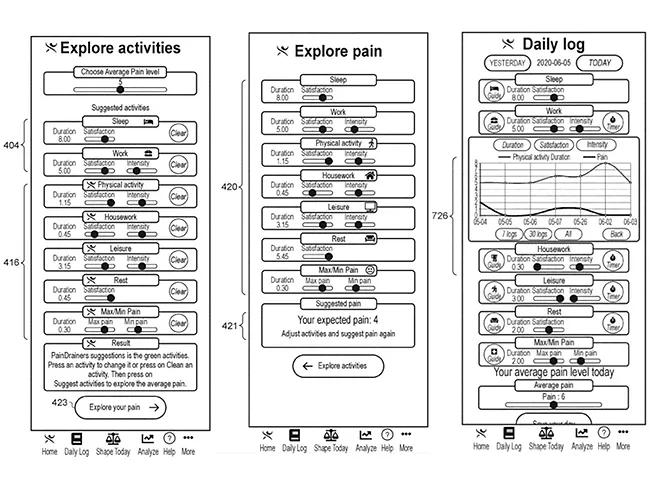
Lund, Sweden based-Paindrainer AB received notification from the European Patent Office that it intends to grant this patent application for its digital tool, Paindrainer, which coaches users in managing their pain and provides guidance on how to reach a personalized activity balance to reach an optimal functional level and alleviate pain.