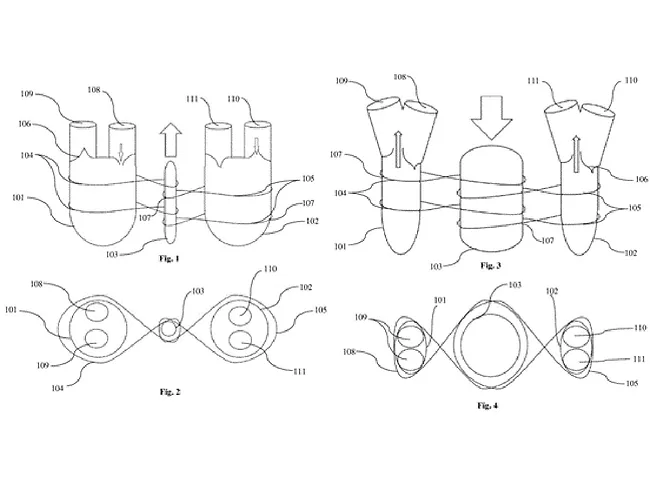
Researchers from the Academic Medical Center (AMC) University of Amsterdam are seeking protection for their invention of a total artificial heart which is compact, durable and mimics the natural movement of human tissue.
Holliston, Mass.-based Harvard Apparatus Regenerative Technology Inc. (HART) is seeking patent protection for synthetic structural support devices for use in esophageal tissue regeneration, in which the synthetic structural supports have been seeded with cells (e.g., mesenchymal stem cells) to form a cellular sheath on the supports’ outer surfaces.
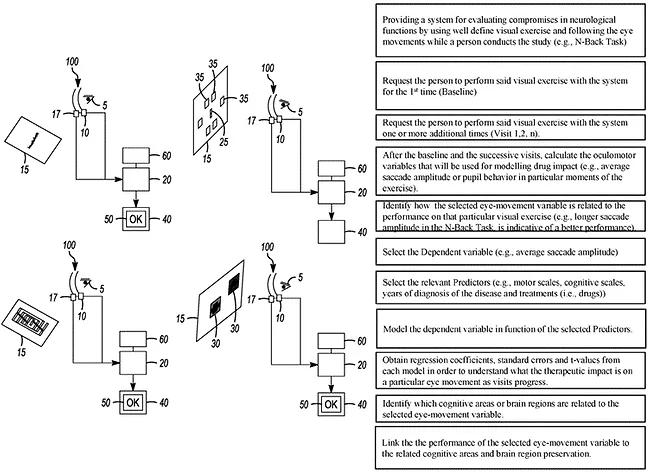
New York-based Viewmind Inc. has applied for patent protection of methods and systems for detecting neurological disorders and/or measuring, fine-motor skills, processing speed, decision making, and cognitive processes by measuring eye movements, oculomotor features and pupil behavior.
A team of Johns Hopkins University researchers have filed for patent protection of a system and method to determine patient prioritization for triage during mass trauma events. The system and method may continuously monitor patient parameters to determine patient prioritization over time, which may improve the speed, quantity, and efficacy of life-saving interventions.
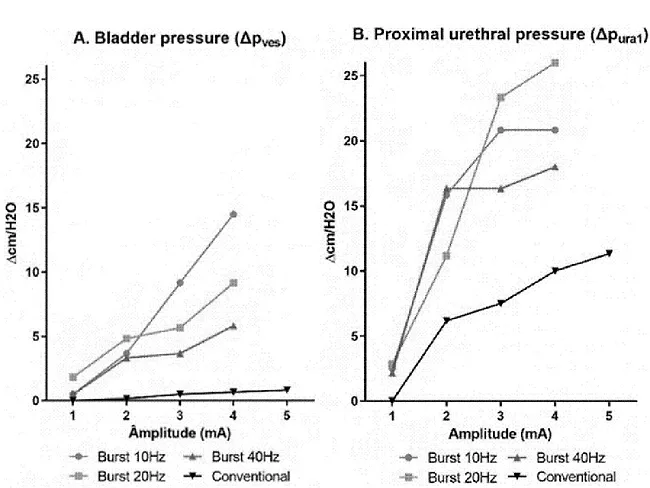
The Belgian academic Stefan De Wachter is seeking patent protection for methods of ensuring pelvic health and treating a disease or disorder characterized by a dysfunctional autonomic nervous system using neuromodulation and applying a burst stimulation pattern of electric pulses of high frequencies from electrodes located in the proximity of the sacral plexus and/or pelvic plexus.
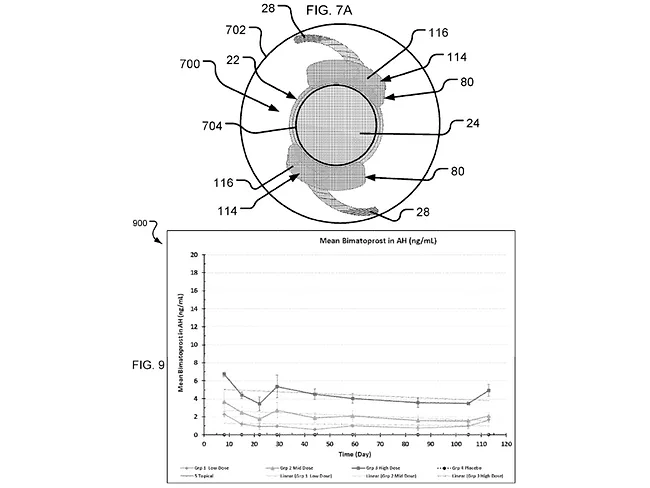
Spyglass Ophthalmics Inc. is seeking patent protection for intraocular drug delivery devices and methods of delivering therapeutic agents to the eye. The methods include implanting an intraocular implant into the eye and adjacent to a fluid-permeable membrane of the patient’s eye.
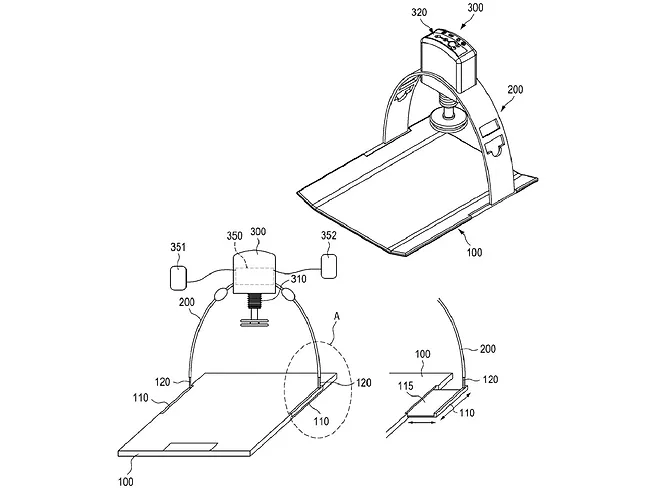
South Korea’s CU Medical Systems Inc. has applied for protection of a system that combines features of a cardiopulmonary resuscitation (CPR) device and an automatic external defibrillator (AED) and uses chest impedance measurements to optimize emergency treatment.
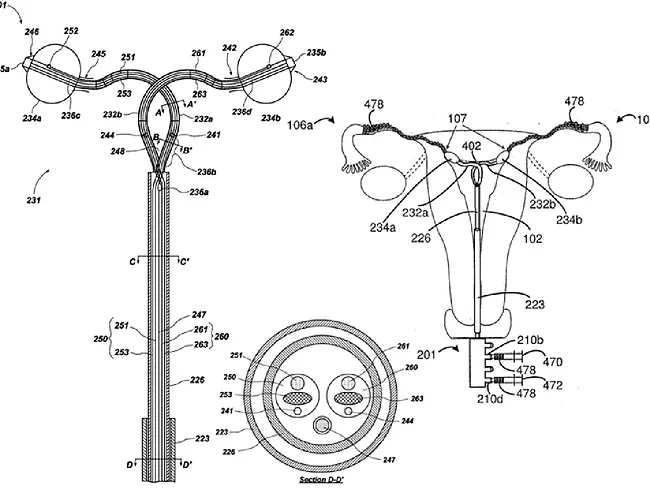
Researchers from Oregon Health and Science University (OHSU) are seeking patent protection for a transcervical delivery device that may provide clinicians with a simple, inexpensive office-based procedure for the assessment of tubal patency or delivery of a permanent contraceptive agent to the fallopian tube.
A team of inventors from Artarmon, Australia-headquartered Saluda Medical Pty Ltd. including founder and former CEO, John Parker, applied for patent protection for enhancements to the neurostimulation monitoring capabilities of Evoke.
In what represents its first patenting, Copenhagen, Denmark-based HEI Therapeutics ApS reported seeking patent protection for a point-of-care or home monitoring solution, which enables personalized treatment for hypothyroidism.