Quoted technology commercialization company Puretech Health plc is scouting for third parties to fund phase III development of deupirfenidone, after spinning the respiratory drug into a new startup, Celea Therapeutics.
With the trial sites now open for its CRISPR-edited T-cell receptor immunotherapy trial, Anocca AB has raised SEK440 million (US$46 million) to fund the phase I part of the multicenter study to completion. The company’s engineered T-cell receptor T-cell therapy (TCR-T) is first being tested against KRAS mutations in pancreatic cancer.
German researchers have cracked the decades-long mystery of why males are more susceptible to acute kidney injury than females, demonstrating that estrogen has a protective effect in females.
German researchers have cracked the decades-long mystery of why males are more susceptible to acute kidney injury than females, demonstrating that estrogen has a protective effect in females.
Eli Lilly and Co. has fallen into line with U.S. President Donald Trump’s May 12 executive order on most-favored nation pricing, announcing it will put up drug prices in Europe in order to make them lower in the U.S. In a statement on Aug. 14, the company said it supports the Trump administration’s objective of more fairly sharing costs of “breakthrough medical research” across developed countries.
German researchers have cracked the decades-long mystery of why males are more susceptible to acute kidney injury than females, demonstrating that estrogen has a protective effect in females.
The increasing recognition of its importance in national security, economic growth and health has seen biotech emerging as the latest frontier in geopolitical competition, with implications for companies ranging from startups to multinationals – and for global investment in the sector.
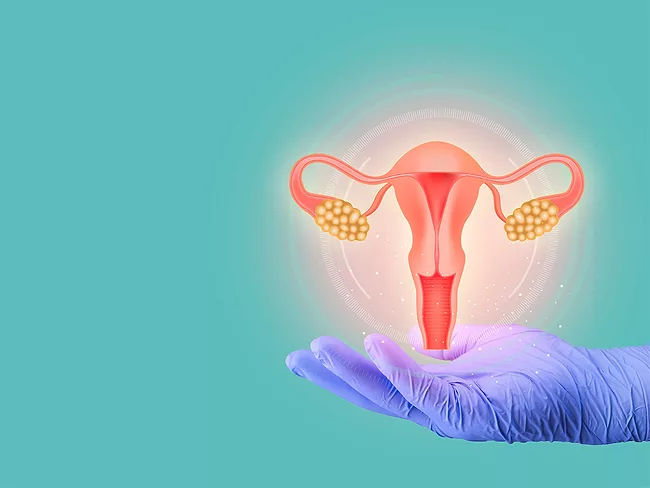
The U.K. Medicines and Healthcare products Agency (MHRA) is calling for more research into the vaginal microbiome as a way to redress the historic under-representation of women in clinical studies, which it said has contributed to “critical shortcomings” in understanding of female-specific conditions.
The U.K. Medicines and Healthcare products Agency (MHRA) is calling for more research into the vaginal microbiome as a way to redress the historic under-representation of women in clinical studies, which it said has contributed to “critical shortcomings” in understanding of female-specific conditions.
The largest genome-wide association study to date of myalgic encephalomyelitis/chronic fatigue syndrome has identified eight genetic loci that are significantly associated with the chronic debilitating condition. Onset of ME/CFS often is traced back to an infection and four of the loci involve genes that are expressed in response to viral or bacterial infections.