A handful of developers are advancing drug prospects in the localized scleroderma (LS) space, with candidate mechanisms that range from cell-based gene therapy to IL-4 or IL-6 antagonism to PDE4 blocking, and with efforts that involve approved as well as experimental compounds.
Targeted protein degradation (TPD) specialist Plexium Inc.’s potential $565 million deal with Abbvie Inc. came on the heels of a tie-up with Amgen Inc. in February worth as much as $500 million-plus, as well as an oversubscribed $102 million financing the same month – all of which translates into “optionality, moving forward, to keep our heads down, do the work we’re really good at and continue to watch the market,” said CEO Percival Barretto-Ko.
Among the attention-getters at the American Association for Cancer Research meeting April 8-13 was protein-degradation specialist Kymera Therapeutics Inc., which made the preclinical case for its approach in murine double minute 2 (MDM2) research vs. an inhibitor. The MDM2 space has grown increasingly busy in recent years, with large and small biopharma concerns moving ahead with research in all phases of development.
After rolling out positive, preliminary phase I CAR natural killer cell data, Nkarta Inc. saw its stock (NASDAQ:NKTX) soar to $18.72, up $10.95, or 140.9%, as Wall Street made known its pleasure in results from the small, independent dose-finding studies with Nkarta’s two off-the-shelf lead candidates, NKX-101 and NKX-019, in two groups of blood cancer patients: those with relapsed/refractory (r/r) acute myeloid leukemia (AML) and with r/r non-Hodgkin lymphoma (NHL), respectively.
After August 2021 news from the U.S. FDA of deficiencies in the NDA that Axsome Therapeutics Inc. submitted for AXS-05 in major depressive disorder (MDD), word was especially welcome April 19 that the firm has come to an agreement with the agency with regard to post-marketing requirements. Meanwhile, another player in MDD, Relmada Therapeutics Inc., is due to report phase III data with REL-1017 (esmethadone) around the middle of this year.
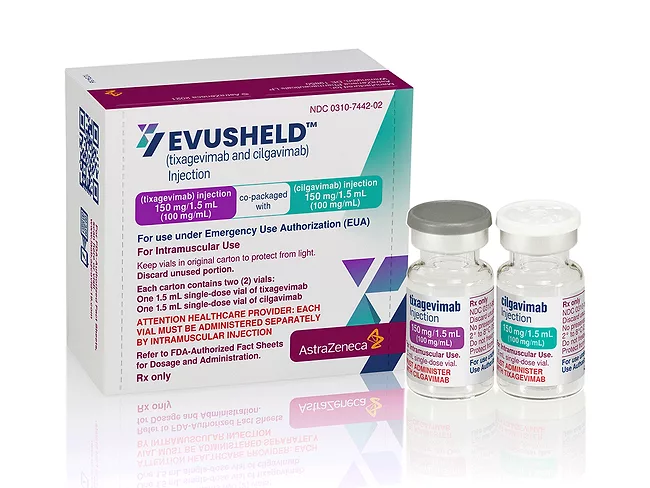
Astrazeneca plc led the handful of firms rolling out COVID-19-related news, as the company said detailed results from the Provent phase III pre-exposure prophylaxis (prevention) trial with Evusheld (tixagevimab and cilgavimab), were published in the New England Journal of Medicine, the “culmination of about 19 months of pretty intensive work,” said Mark Esser, vice president of microbial sciences.
Windtree Therapeutics Inc.’s positive top-line data from the phase II study called Seismic, testing istaroxime in cardiogenic shock (CS), a form of sudden heart failure (HF), add “a lot of interesting strategies and options” with the compound, also in development for acute HF, said CEO Craig Fraser.
With phase III data due from Karuna Therapeutics Inc. with its combo Karxt therapy for schizophrenia, interest is rising in the historically difficult space. Karxt pairs xanomeline, a muscarinic receptor agonist that preferentially stimulates M1 and M4 muscarinic receptors, with trospium, an approved muscarinic receptor antagonist that does not measurably cross the blood-brain barrier, confining its effects to peripheral tissues.
Aurion Biotech Inc. pulled down a $120 million financing to advance efforts with its lead candidate, a cell therapy for the treatment of corneal edema secondary to endothelial dysfunction (CESED).
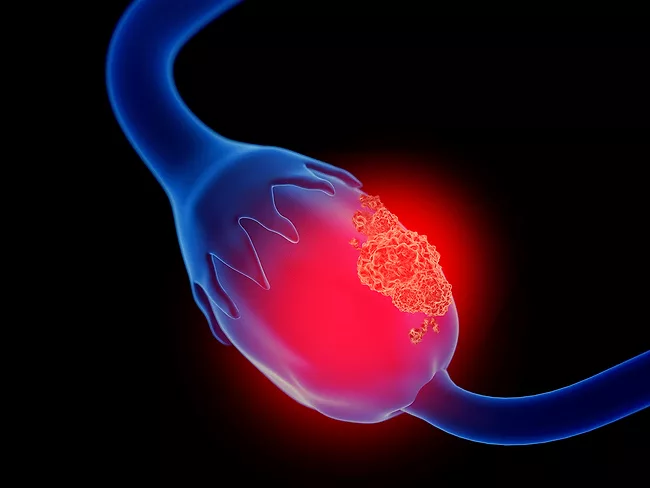
As Wall Street awaits data from VBL Therapeutics Inc.’s phase III trial with ofranergene obadenovec (ofra-vec, also known as VB-111) in platinum-resistant ovarian cancer (PROC), the company hosted a key opinion leader conference call on the gene therapy’s likely market reception along with assorted details regarding the upcoming results from the 409-patient experiment known as Oval.