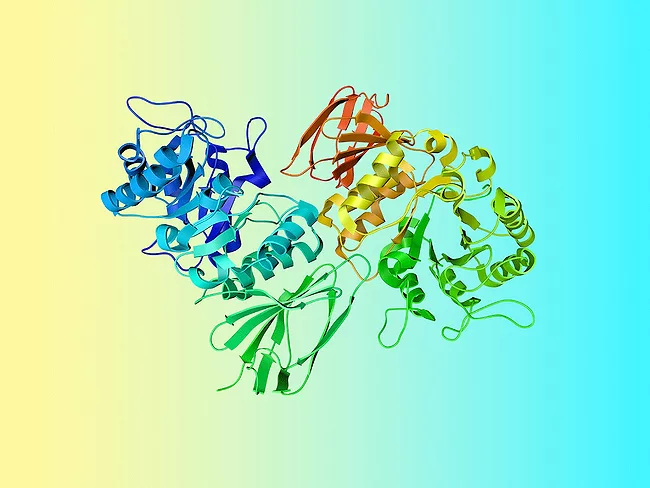
With PTC Therapeutics Inc.’s positive results in phase III with sepiapterin for pediatric and adult patients with phenylketonuria (PKU), attention turned to the would-be showdown with Kuvan (sapropterin dihydrochloride), the drug from Biomarin Pharmaceuticals Inc. that was approved in December 2017.
Sarepta Therapeutics Inc.’s balloting March 12 from the U.S. FDA’s Cellular, Tissue and Gene Therapies Advisory Committee (OTAT) in favor of gene transfer therapy SRP-9001 (delandistrogene moxeparvovec) in Duchenne muscular dystrophy (DMD) had Wall Street mulling the odds for others in the space.
Ray Therapeutics Inc.’s upsized and oversubscribed $100 million series A financing will support the firm’s ongoing efforts with optogenetics, an approach that deploys adeno-associated virus (AAV) gene therapy to deliver a light-sensitive, highly bioengineered protein found in nature to retinal cells.
The debate over Sarepta Therapeutics Inc.’s gene transfer therapy, SRP-9001 (delandistrogene moxeparvovec), in Duchenne muscular dystrophy (DMD) proved as thorny as expected during a closely watched meeting of the U.S. FDA’s Cellular, Tissue and Gene Therapies Advisory Committee. Panelists voted on a single question: “Do the overall considerations of benefit and risk, taking into account the existing uncertainties, support accelerated approval of SRP-9001, using as a surrogate endpoint expression of Sarepta’s microdystrophin at week 12 after administration, for the treatment of ambulatory patients with DMD with a confirmed mutation in the DMD gene?” Balloting turned out 8 yes, 6 no.
How grave they might be remains unknown, but regulatory questions have surfaced in briefing documents related to the soon-to-happen panel meeting on Sarepta Therapeutics Inc.’s gene transfer therapy delandistrogene moxeparvovec in Duchenne muscular dystrophy (DMD). The U.S. FDA’s Cellular, Tissue and Gene Therapies Advisory Committee will meet May 12 to discuss the compound, also known as SRP-9001.
On the heels of the marketing OK in Europe, Protalix Biotherapeutics Inc. and the Chiesi Group’s global rare diseases unit scored approval of Elfabrio (pegunigalsidase alfa-iwxj) from the U.S. FDA for adults with Fabry disease.
Watchers of the Bruton’s kinase (BTK) inhibitor space may be casting renewed skepticism in that direction after Merck KGaA disclosed April 12 that the U.S. FDA placed a partial clinical hold on the sign-up of more patients in work testing evobrutinib in relapsing multiple sclerosis (MS) – but BTK efforts in MS continue in various quarters.
Tscan Therapeutics Inc.’s Wall Street-pleasing deal with Amgen Inc. in Crohn’s disease (CD) could expand into ulcerative colitis, but meanwhile is bringing $30 million up front with the potential for more than $500 million in preclinical, clinical, regulatory and commercial milestone payments, plus tiered single-digit royalties. Shares of Waltham, Mass.-based Tscan (NASDAQ:TCRX) closed May 9 at $3.40, up $1.25, or 58%, as the world learned of the multiyear collaboration with Amgen, of Thousand Oaks, Calif., that will use Tscan’s target discovery platform, Targetscan, to identify the antigens recognized by T cells in patients with CD.
Immunogen Inc. scored a major win in top-line data from the confirmatory phase III trial called Mirasol evaluating the approved antibody-drug conjugate Elahere (mirvetuximab soravtansine-gynx, “mirv”) vs. chemotherapy in patients with folate receptor alpha-positive platinum-resistant ovarian cancer (PROC). The victory led shares of the Waltham, Mass.-based firm to close May 3 at $12.26, a rise of $7.06, or 135%.