The clinically proven promise of an alopecia drug, without the risks of black box-bearing JAK inhibitors yet with powerful efficacy, led shares of Q32 Bio Inc. (NASDAQ:QTTB) to close July 13 at $21.38, up $10.17, or 90.7%.
The synergy – or lack of it – between knockdown drugs and stabilizers in treating transthyretin (TTR)-mediated amyloid cardiomyopathy (ATTR-CM) became one of the topics for debate in the aftermath of the phase III fizzle with gene silencer Wainua (eplontersen), advanced by Astrazeneca plc and Ionis Pharmaceuticals Inc.
Pending talks with regulators, Satellos Bioscience Inc. may seek accelerated approval in Duchenne muscular dystrophy (DMD) for SAT-3247, which yielded positive results in the adult phase II Trailhead study. Shares of Toronto-based Satellos (NASDAQ:MSLE) closed July 8 at $8.98, up 77 cents, or 9.4%, after the firm made public six-month interim data from Trailhead.
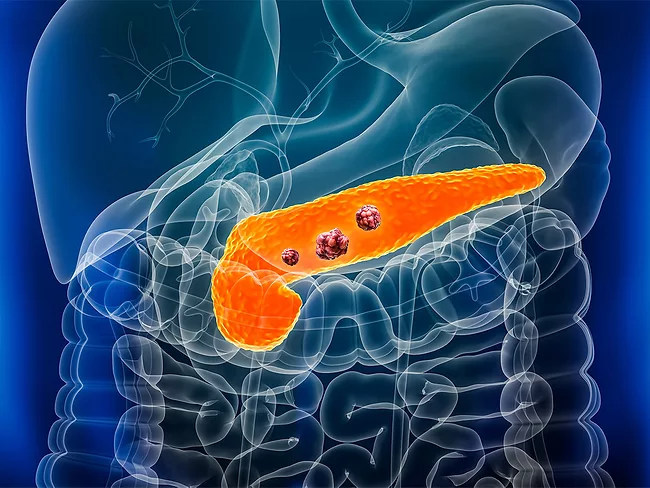
The data mill continues to churn out encouraging results in pancreatic ductal adenocarcinoma (PDAC), with shares of Ramat Gan, Israel-based Can-Fite Biopharma Ltd. benefiting from the latest, phase IIa dispatch that pushed shares (NYSE:CANF) up 58%, or $1.73, to close July 1 at $4.70.
Tvardi Therapeutics Inc. rebounded from a phase II blowup last fall in idiopathic pulmonary fibrosis (IPF) with oral STAT3 inhibitor TTI-101 by showing that a next-gen phosphate prodrug dubbed TTI-109 kept its potency in phase I without gastrointestinal (GI) troubles.
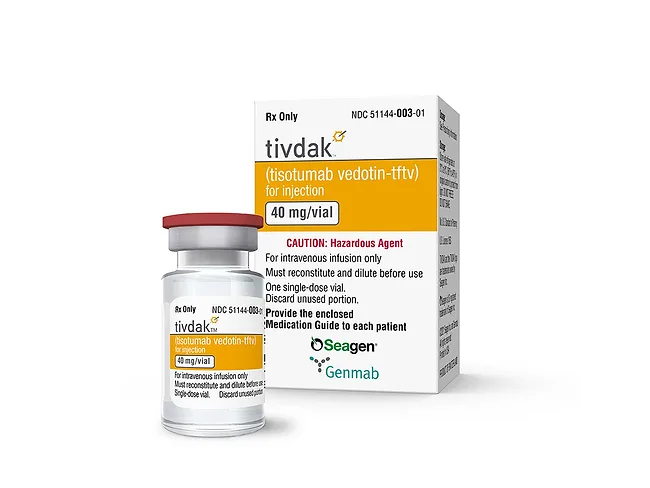
The April 2024 full U.S. FDA approval of Pfizer Inc. and Genmab A/S’ tissue factor-targeting antibody-drug conjugate Tivdak (tisotumab vedotin) for cervical cancer sparked interest from drug developers in the strategy, which has been known about for a while.
The data mill continues to churn out encouraging results in pancreatic ductal adenocarcinoma (PDAC), with shares of Ramat Gan, Israel-based Can-Fite Biopharma Ltd. benefiting from the latest, phase IIa dispatch that pushed shares (NYSE:CANF) up 58%, or $1.73, to close July 1 at $4.70.
Wall Street breathed easier, and shares of Abivax SA found relief as further phase III data from the Abtect maintenance trial were disclosed with obefazimod in ulcerative colitis (UC).
With the U.S. FDA go-ahead granted June 26 for Viridian Therapeutics Inc.’s IGF-1R antagonist Lumvoa (veligrotug-vvze, or “veli”) as a new thyroid eye disease (TED) therapy – due to launch immediately, the company said – Wall Street will be watching near-term payer dynamics. The drug is set to take on similarly targeted Tepezza (teprotumumab-trbw), owned by Amgen Inc. and approved in January 2020 to treat TED.
Viridian Therapeutics Inc.’s U.S. FDA clearance of Lumvoa (veligrotug-vvze) to treat thyroid eye disease (TED) includes labeling for chronic as well as active forms, and fewer infusions – plus fast, durable effects – should give the IGF-1R antagonist leverage in competing with similarly targeted TED drug Tepezza (teprotumumab-trbw), owned by Amgen Inc. and approved in January 2020.