With the memory of Dec. 20’s stock-denting, top-line phase III fizzle by Aldeyra Therapeutics Inc. in dry eye disease (DED) still fresh, Palatin Technologies Inc. is launching a late-stage effort in the same indication. Aldeyra offered data from the Tranquility trial with reproxalap – a small-molecule, immune-modulating covalent inhibitor of reactive aldehyde species, known as RASP, formulated as an ophthalmic solution – that showed a miss on the primary endpoint of ocular redness.
Novartis AG’s FDA go-ahead for Leqvio (inclisiran), the first and only small interfering RNA therapy to lower LDL-C, “should come as a relief, given fears that the pandemic could again limit FDA's ability to conduct manufacturing-site inspections,” Jefferies analyst Peter Welford said. PCSK9-targeting Leqvio’s Dec. 22 approval, which came slightly ahead of the Jan. 1, 2022, PDUFA date, landed after a complete response letter about a year ago, citing unresolved facility inspection-related conditions. The drug is dosed twice per year, unlike competitors in the space.
Discouraging news from two trials with lirentelimab slammed shares of Allakos Inc. (NASDAQ:ALLK), which ended the day at $8.55, down $75.84, or almost 90%. The Redwood City, Calif.-based firm reported data from Enigma 2, a phase III study in patients with biopsy-confirmed eosinophilic gastritis and/or eosinophilic duodenitis, and Kryptos, a phase II/III experiment in biopsy-confirmed eosinophilic esophagitis. Both experiments met their histologic co-primary endpoints but fell short of statistical significance on patient-reported symptomatic co-primary goals.
Sanofi SA is paying about $1 billion up front and pledging as much as $225 million in development milestone payments to acquire Amunix Pharmaceuticals Inc. in an arrangement that brings aboard several immuno-oncology platforms. South San Francisco-based Amunix’s lead candidate is the clinic-bound, masked T-cell engager (TCE) AMX-818, which targets HER2-expressing solid tumors. The candidate emerged from the company’s XPAT technology, designed with the longstanding XTEN and centered on a protein polymer in a strategy similar to pegylation, except with a polypeptide. XPAT stands for XTENylated, protease-activated TCEs.
What one analyst called “fantastic external validation but, even more importantly, great for the cell therapy and regenerative medicine space” arrived in the form of Lineage Cell Therapeutics Inc.’s potential $670 million deal with Roche Holding AG. With its subsidiary, Cell Cure Neurosciences Ltd., Lineage signed an exclusive worldwide collaboration and license pact with Roche and its Genentech arm.
Genfit SA’s global development and commercialization deal with Ipsen Pharma SA for phase III-stage elafibranor in primary biliary cholangitis (PBC) – plus a separate arrangement for rights to an asset earlier in development from Genoscience Pharma SA – represent “the logical next steps in the implementation of a strategy that we outlined to you about 18 months ago,” Genfit CEO Pascal Prigent said during a conference call with investors.
Wall Street didn’t much like Uniqure NV’s decision to hold off reporting efficacy measures in the phase I/II trial with one-time gene therapy AMT-130 for the treatment of Huntington’s disease (HD), but safety findings proved encouraging and analysts held out hope.
Mythic Therapeutics Inc. officially launched with an oversubscribed series B round that garnered $103 million to design smarter, safer antibody-drug conjugates (ADCs) by way of a technology originated by the company and dubbed Fatecontrol. Co-founder and CEO Alex Nichols said that, after about 40 years’ worth of development – and despite fairly recent wins – ADCs have been hampered by “toxicity and poor therapeutic index [that] have stopped them from reaching what we would consider to be their full potential.”
Angion Biomedica Corp. CEO Jay Venkatesan said his firm is ransacking phase II data for “a clear and consistent trend” toward benefit with ANG-3777 before going to the next stage of development with the hepatocyte growth factor mimetic for patients undergoing cardiac surgery involving cardiopulmonary bypass who are at risk for developing acute kidney injury. A decision is due early next year.
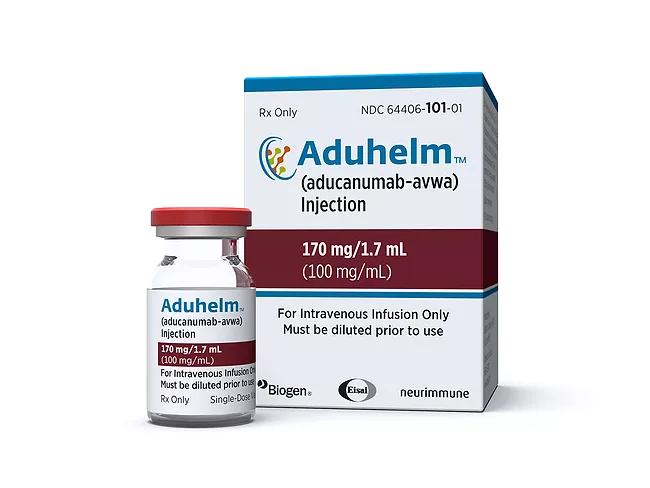
In 2021, no drug approval garnered as much attention and debate as Biogen Inc.’s Aduhelm (aducanumab). The FDA’s surprise, accelerated approval of Aduhelm for Alzheimer’s disease flew in the face of the recommendation by an advisory committee, causing a stir that included the resignation of three adcom members, along with publicly made claims that the company’s relationship with regulators had become too cozy.